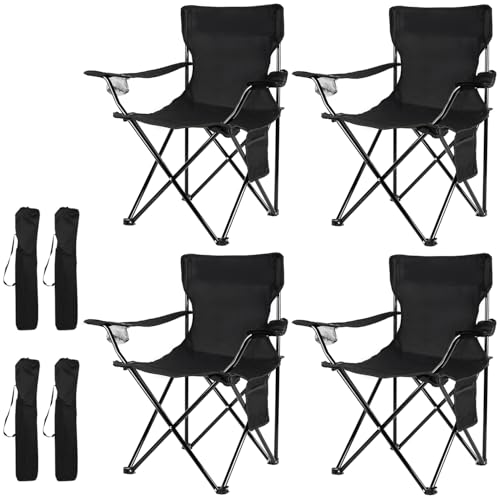
Cheap Outdoor Chairs: Smart Entry-Level Picks for Every Patio
Discover how to choose outdoor chairs that deliver solid comfort and reliable durability without overextending your outdoor setup. A practical guide for research-ready shoppers.
EXPLORE PICKSWhy Entry-Level Outdoor Chairs Deserve a Second Look
Not every patio needs flagship-tier seating. For balconies, rental patios, seasonal setups, and family-friendly backyards, entry-level outdoor chairs make excellent sense. They let you furnish a larger area, experiment with layout, and add seating for guests without committing to a full premium set. The key is knowing which construction details matter — and which marketing claims you can safely ignore.
This page is written for shoppers who already know they want outdoor chairs and are now comparing options. You will find a clear breakdown of materials, frame types, comfort factors, and maintenance expectations. For additional context on how these chairs fit into a broader furniture plan, see our guide on chairs for outside and the companion overview of chairs and benches. If you are specifically comparing lawn-friendly options, the lawn chairs guide is a useful companion read.
The Three-Tier Framework for Outdoor Chairs
Outdoor chairs are usually grouped by construction quality and material grade. Below is the classification we use throughout this page. It is a relative framework — the differences between tiers are about build quality, finish durability, and design refinement, not about any numeric figure.
Entry-Level
Starter-tier construction. Best for seasonal use, balconies, and high-traffic casual seating. Lightweight frames and simpler finishes.
Mid-Range
Balanced tier. Stronger frames, better weather-resistant coatings, and more refined comfort features for year-round patios.
Premium
High-end tier. Heavy-duty construction, premium materials, and design details aimed at long-term outdoor installation.
In practice, the best value sits in the entry-level and balanced mid-tier for most residential patios. Entry-level chairs handle occasional use well, while mid-range models typically offer smoother mechanisms and longer-lasting finishes. If your patio is exposed to harsh weather year-round, stepping up one tier often pays off over time.
Materials That Matter: What to Look For
Material choice drives comfort, weight, and how much maintenance your chairs will need. Here is how the common outdoor chair materials compare.
| Material | Best For | Durability Notes | Maintenance |
|---|---|---|---|
| Powder-Coated Steel | Everyday patio seating, dining chairs | Strong and stable; rust-proof finish depends on coating quality | Wipe down; inspect for chips |
| Aluminum | Lightweight portability, balconies | Naturally rust-resistant; lighter frames may need thicker tubing | Low — rinse and dry |
| Resin / Polypropylene | Casual, family-friendly, poolside | Weather-resistant and easy to clean; UV stability varies by grade | Very low — soap and water |
| Wood (Cedar, Eucalyptus) | Natural-look patios, classic styles | Durable when sealed; needs periodic re-treatment | Moderate — seal annually |
| Wicker / Rattan (Synthetic) | Lounge seating, coastal and boho themes | Synthetic weaves resist moisture better than natural rattan | Low to moderate — cover in winter |
For readers exploring natural wood options, our cedar Adirondack chairs guide explains how cedar ages and how to extend its lifespan. If you are leaning toward low-maintenance synthetic materials, the composite outdoor furniture overview covers blend durability and finish options.
Comfort and Sizing: The Details That Matter
Two chairs with similar frames can feel very different after an hour of use. Pay attention to these factors:
- Seat depth and width: A deeper seat suits lounging; a narrower seat works better for dining and small balconies.
- Back height and recline: Higher backs support the shoulders; slight recline improves long-session comfort.
- Armrests: Helpful for getting up and for holding a drink; removable armrests add flexibility.
- Cushions vs. sling seats: Cushions add softness but need storage; sling seats dry faster and need less care.
- Weight capacity and frame gauge: Heavier-gauge frames usually feel more stable, especially on uneven patio surfaces.
If you prefer chairs without cushions, the guide on comfortable outdoor chairs without cushions walks through sling and mesh designs. For small spaces, comfy outdoor chairs for small spaces covers compact footprints and stackable options. And if you want a broader comfort comparison, see comfortable outdoor furniture.
Popular Outdoor Chair Styles for Entry-Level Setups
The style you choose affects both the look of your patio and how the chairs are used day to day. Here are the most common styles shoppers compare.
| Style | Best For | Tier Notes |
|---|---|---|
| Folding Chairs | Flexible seating, storage, travel | Entry-level models are common; look for reinforced hinges |
| Stacking Chairs | Dining areas, patios with limited storage | Balanced tier offers better UV resistance |
| Adirondack Chairs | Lounging, fire pit areas, classic look | Entry-level resin versions are widely available |
| Sling Chairs | Poolside, quick-dry seating | Mid-range slings resist sagging longer |
| Bistro Chairs | Small balconies, cafe-style setups | Entry-level metal frames are common |
For fire pit seating, our chairs for fire pit guide covers heat-safe materials. Balcony owners may find the chair for balcony guide especially useful, and campers comparing portable options can review the camping chairs overview.
Maintenance and Longevity Tips
Entry-level outdoor chairs can last several seasons with basic care. A few habits make the biggest difference:
- Rinse frames and seats monthly to remove dust and pollen buildup.
- Dry chairs fully before stacking to prevent trapped moisture and mildew.
- Touch up powder-coated frames with a matching touch-up paint to stop rust spread.
- Store cushions and fabric items during off-season or heavy rain.
- Use furniture covers for chairs that stay outside year-round.
If your patio includes other furniture pieces, the outdoor furniture guide and patio furniture overview cover matching sets and broader care tips. For chair cushions specifically, see outdoor chair cushions sets and replacement cushions.
A Practical Buying Checklist
Before you commit to a set, run through this quick checklist. It helps you compare chairs on the features that actually affect daily use.
- Measure your patio or balcony footprint and confirm chair dimensions fit with walking space.
- Confirm the chair's weight capacity matches the intended users.
- Check whether the frame is welded or bolted — welded joints generally last longer.
- Look for rust-proof finish or weather-resistant coating on metal frames.
- Decide between stackable, folding, or fixed-frame design based on storage space.
- Confirm cushion or sling fabric is labeled for outdoor use and quick drying.
- Review the return policy and assembly requirements before ordering.
For broader context on comparing models and brands, see the comparison guide and brand comparison resources.
Frequently Asked Questions
How long do entry-level outdoor chairs typically last?
With basic care — rinsing, drying, and covering during off-season — entry-level chairs commonly serve several seasons. Lifespan depends more on material and exposure than on any single specification. Powder-coated steel and high-grade resin tend to hold up well in covered patios.
Are resin chairs a good choice for sunny climates?
Resin chairs are practical for sunny patios because they resist moisture and clean easily. UV stability varies by grade, so look for models described as UV-treated or fade-resistant. Mid-range resin chairs typically hold color longer than starter-tier versions.
Should I choose stackable or folding chairs?
Stackable chairs suit dining setups where you want quick access to seating. Folding chairs are better when storage space is tight or when chairs need to move between areas. For small balconies, stackable bistro chairs are often the most practical choice.
Do I need cushions for outdoor chairs?
Not necessarily. Sling and mesh seats are comfortable without cushions and dry faster after rain. If you prefer cushioned seating, choose quick-dry outdoor fabrics and store cushions during heavy weather to extend their life.
How do I prevent rust on metal outdoor chairs?
Start with a rust-proof finish or weather-resistant coating, then prevent scratches by lifting rather than dragging chairs. Touch up any chips promptly with matching paint, and dry frames thoroughly before stacking or storing.
Final Thoughts
Entry-level outdoor chairs are a smart way to furnish a patio, balcony, or rental space without compromising on the essentials. Focus on frame construction, weather-resistant finishes, and comfort details, and you will get seating that works well for years of casual use. Use the tier framework above to compare models fairly, and match your choice to how often and where the chairs will be used.
When you are ready to browse specific models, the recommended products below are organized by category and purpose. For related reading, explore our patio chairs guide and the outdoor care section for long-term maintenance advice.