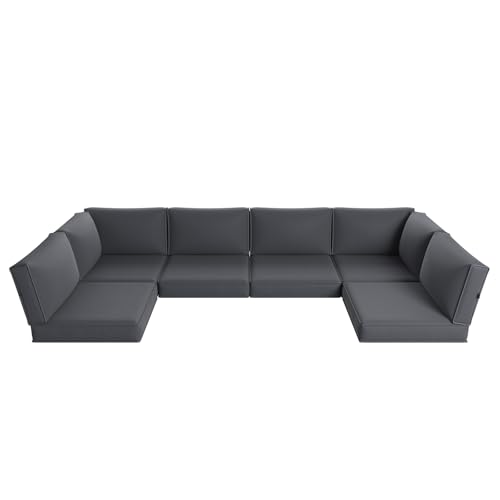
Outdoor furniture frames often outlast their cushions by years. Sun exposure, rain, and daily use compress foam and wear fabric, leaving chairs and sofas that look tired even though the structure remains sound. Replacement cushions are the practical fix, but the category is wider than it first appears. Seat pads, back cushions, bench cushions, and chaise pads each follow different sizing and material rules, and a mismatch in depth or foam density can turn a comfortable seat into an uncomfortable one.
This guide walks through the decisions that matter most: measuring accurately, understanding foam grades, comparing fabric types, and matching cushion style to your existing furniture. It is written for homeowners in the research stage who already know they want to replace their cushions and need clear, trustworthy criteria before choosing a product.
Quick orientation: Replacement cushions fall into three broad tiers. Entry-level options use standard polyester covers and lower-density foam, suitable for light seasonal use. Mid-range cushions typically add solution-dyed acrylic or UV-treated fabric and higher-density foam for daily seating. Premium and luxury tiers focus on tailored construction, quick-dry cores, and long-warranty fabrics for full-sun exposures and heavy use.
Why Replace Cushions Instead of the Whole Set
Frames made from powder-coated aluminum, high-grade steel, teak, and composite materials are built to last many seasons. When the upholstery fails first, replacing just the cushions preserves a structure that is still doing its job. This approach also lets you change color and style without changing the footprint of your patio layout.
For readers still evaluating whether their current frame is worth keeping, our guide to comfortable outdoor furniture with cushions explains which frame constructions pair best with long-life upholstery. If your chairs are wrought iron, the shape of the frame matters for fit, and our notes on cushions for wrought iron patio furniture cover the attachment and sizing quirks of that material.
Step One: Measure Before You Browse
Most cushion returns happen because of measurement errors, not quality problems. Take measurements from the existing cushion, not the frame, whenever possible. If the old cushion is missing, measure the frame's seat platform and subtract a small allowance for fabric thickness.
Measurement checklist
- Seat width: measure at the widest point of the seat platform.
- Seat depth: measure front to back, noting any taper toward the backrest.
- Thickness: measure the compressed height of the old cushion, not its lofted height.
- Back cushion height: measure from the seat surface to the top of the backrest.
- Attachment points: note whether the frame uses ties, snaps, hook-and-loop strips, or none.
- Corner radius: rounded or square corners change how a cushion sits in the frame.
Write measurements down in both inches and centimeters and compare them to the product specification sheet, not the product photo. Photos are styled and rarely show true proportions. For lounge seating, the same discipline applies to chaise pads; our overview of chaise lounge pads discusses how tapered shapes affect fit.
Step Two: Understand Foam Grades
Foam is the component that determines whether a cushion feels supportive in month one and still feels supportive in season three. The market generally separates into three foam tiers:
- Entry-level foam: lower density, lighter weight, and quicker to compress. Adequate for occasional seating and covered porches.
- Mid-range foam: medium to medium-firm density with better resilience. The typical choice for daily-use dining chairs and sofas.
- High-end and premium foam: high-density, open-cell, or quick-dry formulations that resist flattening and drain water. Common in luxury and commercial-grade cushions.
Open-cell foam is worth prioritizing in uncovered spaces. It allows water to pass through rather than pooling inside the core, which reduces mildew risk and speeds drying after rain. Wrapped foam, where a softer foam layer surrounds a firmer core, is a common mid-range construction that balances initial softness with long-term support.
Step Three: Compare Fabric Types
Fabric choice affects fade resistance, cleanability, and how the cushion feels against skin. The table below compares the main categories found in replacement cushions.
| Fabric category | Typical tier | Best for | Trade-offs |
|---|---|---|---|
| Standard polyester | Entry-level | Covered porches, seasonal use | Fades faster in direct sun; less water repellency |
| UV-treated polyester | Mid-range | Daily-use dining and lounge seating | Better fade resistance; still needs occasional re-treatment |
| Solution-dyed acrylic | Premium | Full-sun patios and poolside seating | Heavier hand; higher tier positioning |
| Olefin | Mid-range to premium | Humid climates and quick-dry needs | Softer texture varies by weave quality |
| Performance blends | High-end tier | Heavy use, commercial-grade settings | Specialized care instructions |
Solution-dyed acrylic is dyed at the fiber level, so color runs through the yarn rather than sitting on the surface. That construction is why it holds color longer under UV exposure. Olefin is inherently water-resistant and dries quickly, which suits humid climates and pool decks.
Step Four: Match Cushion Style to Furniture
Replacement cushions should look intentional rather than improvised. A few style rules keep the result cohesive:
- Pipe vs. knife edge: piped edges look more tailored and suit traditional and transitional frames; knife-edge cushions read more casual and modern.
- Boxy vs. rounded corners: match the corner profile of the original cushion so the pad sits flush inside the frame.
- Tie placement: rear ties are standard for dining chairs; corner ties suit lounge seating and benches.
- Color strategy: pull one accent color from your existing rug, umbrella, or planter rather than introducing a new palette.
If you are refreshing several pieces at once, our guide to patio color schemes explains how to coordinate cushions with hardscape and planting. For smaller balconies, the same principles apply at a tighter scale, and our notes on chairs for balconies cover compact seating where cushion depth matters most.
Step Five: Plan for Weather and Storage
Even weather-resistant cushions last longer with basic care. Cushions on uncovered furniture should be brought in or covered during heavy rain and off-season months. Rotating seat pads between chairs evens out wear, and brushing off debris prevents mildew from taking hold in seams.
If your furniture sits fully exposed, pair cushions with breathable covers rather than fully sealed ones, which can trap moisture. Our guides on outdoor care and weatherproofing cover cleaning routines and protective cover selection in more detail.
Where Replacement Cushions Fit in a Broader Refresh
New cushions often become the starting point for a larger update. If the frame itself is nearing the end of its life, our guides on comfortable patio chairs and comfortable outdoor chairs without cushions explain the alternative path of switching to cushion-free designs such as sling or woven seating.
For readers replacing an entire seating group, the overview of comfortable outdoor furniture compares frame materials and cushion systems together, which helps avoid buying cushions that do not match a new frame.
Common Mistakes to Avoid
- Ordering by chair model name alone. Frame names change between production runs; measurements are the reliable reference.
- Choosing the softest foam. Initial softness often means faster compression. Medium-firm foam holds shape longer.
- Ignoring the back cushion. Seat and back cushions are usually sold separately and follow different sizing rules.
- Skipping the care label. Cleaning method affects fabric life; machine washing a structured cushion can distort the foam core.
Frequently Asked Questions
How do I measure my outdoor furniture for replacement cushions?
Measure the seat width, depth, and thickness of your existing cushion, plus the back height if applicable. Note any curves or tapered edges. Compare your measurements to the product specification sheet before ordering, and allow a small tolerance for fabric give.
What foam density is best for patio seat cushions?
Mid-range and high-end tier cushions typically use higher-density foam that resists flattening over time. For frequently used seating, look for medium-firm to firm foam with an open-cell structure that drains water and dries quickly.
Can I replace just the cushion covers?
Yes, if your foam core is still firm and intact, replacement covers are a practical refresh option. Check that the cover dimensions match your existing foam insert and that the closure type, such as zippers or ties, suits your frame.
How do I keep replacement cushions from fading?
Choose solution-dyed acrylic or UV-treated polyester fabrics, and store cushions in a dry place when not in use. Rotating cushions and using furniture covers during harsh sun or off-season periods also extends fabric life.