Comfortable Outdoor Furniture: Sit Back, Stay Awhile
Comfort is the difference between a patio you look at and a patio you live in. This guide breaks down cushions, frame materials, ergonomics, and design details so you can choose outdoor furniture you will genuinely enjoy for hours.
EXPLORE THE COMFORT GUIDEWho this guide is for: You already know you want comfortable outdoor furniture, but the market is crowded with conflicting claims about cushion thickness, frame durability, and ergonomics. This guide translates those specifications into plain language so you can compare options confidently.
What you will learn: the five pillars of outdoor comfort, how materials affect long-term feel, which furniture categories deliver the best comfort-per-use, and a practical checklist to evaluate any piece before you commit. By the end, you will know exactly what to look for and why it matters.
Why Comfort Deserves Top Priority
Outdoor furniture is judged by a harsher standard than indoor furniture. It must withstand sun, rain, temperature swings, and daily use while still feeling inviting at the end of a long day. A visually striking set that becomes painful after twenty minutes is a failed purchase, no matter how well it photographs. Comfort is not a luxury feature, it is the core function of seating, lounging, and dining furniture.
The good news is that comfort is predictable once you understand the variables. Cushion foam density, seat depth, back angle, arm height, and material breathability all follow consistent rules. When you know those rules, you can evaluate any product listing or showroom piece in minutes. This guide gives you that framework, and where relevant, links to deeper resources on specific categories like comfortable patio chairs and outdoor furniture with cushions.
The Five Pillars of Outdoor Comfort
Every comfortable outdoor piece balances five factors. Weakness in any one of them undermines the whole experience, so treat this as a checklist rather than a menu.
Cushion Quality
Foam density, thickness, and wrap matter more than fabric color. High-density foam resists compression, while a wrapped top layer adds softness without sacrificing support.
Explore cushioned optionsFrame and Structure
Rigid frames with reinforced joints prevent sagging and wobble. Aluminum, high-grade steel, and solid hardwood each bring distinct comfort and durability trade-offs.
Compare composite framesErgonomics
Seat depth, back angle, and arm height determine whether you perch or truly relax. Slight recline and generous seat depth suit lounging; upright backs suit dining.
See lounge chair guidanceBreathability
Hot climates demand quick-drying, airy materials. Mesh backs and perforated foam reduce heat buildup and prevent that sticky feeling on warm afternoons.
Weather-ready comfortSupport and Finish
Non-slip feet, smooth edges, and well-tensioned joints reduce fatigue and avoid snags. Small finishing details separate solid builds from fragile ones.
Browse comfy picksCushions: The Single Biggest Comfort Variable
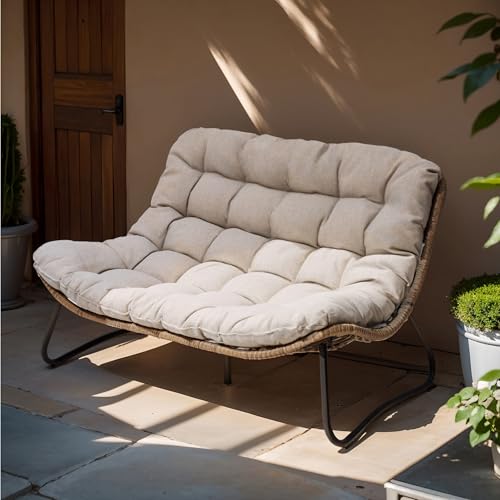
If you change only one thing about your outdoor setup, upgrade the cushions. They absorb the most pressure and define how the furniture feels within the first minute of sitting. Look for foam rated at medium-high density, a minimum of four inches for seat cushions, and a fabric that resists moisture while staying soft against skin.
Cushion care matters as much as cushion choice. Quick-drying foam and removable covers extend lifespan dramatically. If you already own outdoor furniture and want to improve it, replacement cushions are among the highest-impact changes you can make. See our guide to comfortable furniture without cushions if you prefer low-maintenance setups, or explore comfy outdoor chairs for ready-to-use cushioned designs.
Cushion thickness and density at a glance
| Tier | Best For | Typical Feel | Durability Notes |
|---|---|---|---|
| Entry-level | Occasional seating, covered porches | Firmer, thinner profile | Shorter lifespan; best kept dry |
| Mid-range | Daily family use, dining sets | Balanced support with soft top layer | Good resilience with basic care |
| Premium | Frequent lounging, exposed patios | Plush yet supportive | High-density foam holds shape longer |
| Luxury | Full-season outdoor living rooms | Deep, wrapped, tailored feel | Best materials and construction |
Materials That Stay Comfortable Over Time
A frame that wobbles or rusts becomes uncomfortable quickly, even with great cushions. Material choice affects stability, maintenance, and how the furniture feels season after season. Aluminum is light and rust-resistant, making it a strong all-around choice. High-grade steel with a rust-proof finish offers rigidity for heavier pieces. Solid woods like cedar and teak bring warmth and natural resilience but require periodic care. Composite and resin options deliver low maintenance with steadily improving comfort features.
For detailed comparisons, our composite outdoor furniture overview and commercial-grade outdoor furniture guide cover durability expectations across tiers. If wood appeals to you, cedar outdoor furniture is a well-rounded starting point.
Comfort by Furniture Type
Different categories prioritize different kinds of comfort. Match the category to how you actually use your outdoor space.
Lounge chairs and deep seating
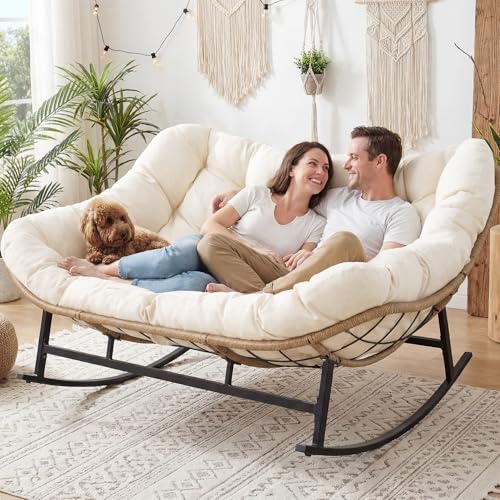
Lounge chairs are built for long sessions. Look for a slight recline, deep seats, and high backs that support the neck. Our guides to comfortable lounge chairs and comfy lounge chairs break down the ergonomic details that separate true loungers from decorative seats.
Dining chairs and patio sets
Dining comfort favors upright posture and adequate seat width. Cushions help, but frame proportions matter more here. Browse comfortable patio furniture for full-set recommendations, and consider comfortable patio chairs if you are replacing seating only.
Chaises and loungers
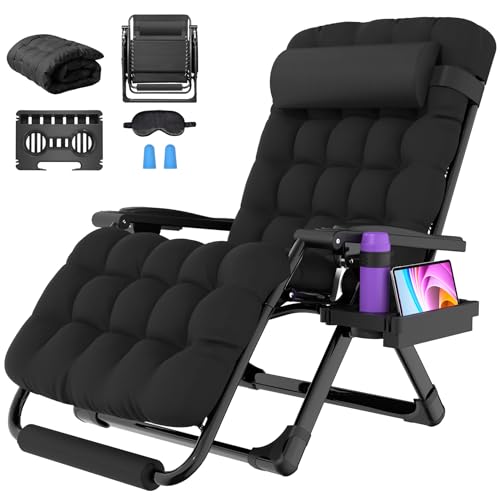
For sunbathing and poolside relaxation, adjustability is the comfort feature that matters most. Multiple recline positions, a supportive headrest, and quick-drying materials make or break the experience. See comfortable chaise lounge options and the broader chaise lounges collection.
Small spaces and balconies
Compact furniture can still be comfortable if it uses vertical space and smart proportions. Our comfy outdoor chairs for small spaces guide helps you fit genuine comfort into a balcony or narrow patio.
A Practical Comfort Checklist Before You Buy
Use this checklist when comparing products online or in a showroom. It turns vague impressions into concrete comparisons.
- Sit test priority: Seat depth should leave two to four inches between your knees and the cushion edge for lounging, less for dining.
- Cushion density: Press firmly. Slow rebound signals resilient, higher-density foam; fast collapse signals lower density.
- Frame rigidity: Rock the piece gently. Any creak or flex at the joints points to weaker construction.
- Back angle: Slight recline suits relaxation; a near-vertical back suits eating and conversation.
- Arm height: Arms should let your shoulders relax without slouching, and should clear your thighs when standing.
- Breathability: Mesh or perforated backs reduce heat buildup in warm climates.
- Weather readiness: Confirm quick-dry foam and removable, washable covers if the furniture will sit uncovered.
- Tier expectations: Entry-level sets suit light use; mid-range and premium tiers add density, rigidity, and longevity.
If your goal is a fully low-maintenance setup, explore comfortable outdoor chairs without cushions and comfortable patio chairs without cushions, which rely on contoured frames and woven surfaces instead of foam.
Frequently Asked Questions
What makes outdoor furniture genuinely comfortable?
It is the combination of supportive cushion foam, a rigid frame, ergonomic seat proportions, breathable materials, and a finish that survives weather. No single factor carries comfort alone.
How thick should outdoor cushions be?
Four inches is a solid baseline for seat cushions. Thicker cushions feel plusher but should still use medium-high density foam, otherwise they compress quickly and lose support.
Is cushioned furniture harder to maintain?
It requires a bit more care, mainly drying and storage during off-seasons. Removable covers and quick-dry foam reduce the effort considerably. Cushion-free designs are lower maintenance but offer a different comfort profile.
Which material is best for comfort in hot climates?
Aluminum frames paired with breathable, quick-drying cushions perform well. Mesh backs and perforated foam help prevent heat buildup, which matters as much as shade.
Can entry-level furniture be comfortable?
Yes, with realistic expectations. Entry-level pieces can feel comfortable for short sessions. For daily, long-duration use, mid-range and premium tiers offer noticeably better foam density and frame rigidity.
Bringing It All Together
Comfortable outdoor furniture is not about any single premium feature. It is about alignment: the right cushion density for your usage, frames that stay rigid, proportions that fit your body, and materials that make sense for your climate. Use the five pillars and the checklist above as your evaluation framework. Whether you are furnishing a first balcony with comfy outdoor furniture or refining a full patio with cushioned outdoor furniture, the same principles apply. Choose deliberately, and your outdoor space becomes the room you use most.