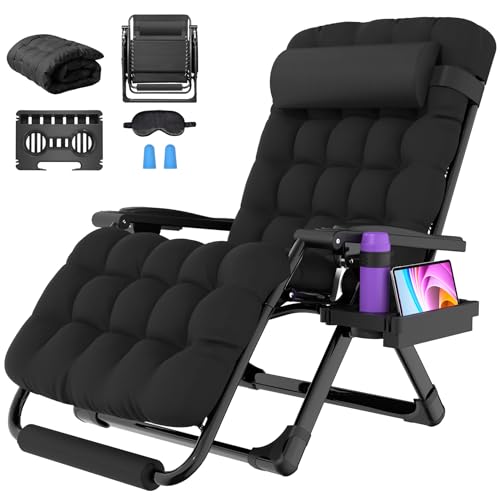
Comfortable Patio Furniture: The Complete Buyer's Guide
Learn how to choose outdoor seating that truly supports your body — from cushion density and seat depth to frame materials and weather-resistant fabrics. Everything you need to make a confident, informed decision.
Explore the Comfort FactorsWhy comfort matters most: Patio furniture is an investment in daily relaxation. If a chair looks beautiful but feels stiff after twenty minutes, it will sit unused. This guide breaks down the anatomy of comfortable outdoor seating so you can evaluate any set on the market — and buy with confidence.
The Anatomy of Comfortable Patio Furniture
Comfort is not a single feature — it is the result of several design decisions working together. When you evaluate comfortable outdoor furniture, pay attention to these five pillars:
1. Cushion Density & Foam Type
High-density, quick-dry foam holds its shape season after season. Low-density foam feels soft on day one but flattens quickly. Mid-range and premium cushions typically use layered foam with a firmer base for support and a softer top for plushness.
2. Seat Depth & Back Angle
Deeper seats (22–26 inches) suit lounging and reclining, while shallower seats (18–22 inches) keep you upright for dining. A slight backward recline of 5–10 degrees reduces pressure on your lower back during long sitting sessions.
3. Fabric Breathability
Solution-dyed acrylic and quick-dry mesh fabrics allow airflow and resist moisture. Breathable fabrics prevent that sticky, overheated feeling on hot days and dry quickly after rain — a hallmark of comfortable waterproof outdoor furniture.
4. Frame Stability
A sturdy frame eliminates wobble that tires your body. Powder-coated aluminum, high-grade steel, and solid teak are the most reliable. Even the plushest cushion cannot compensate for a shaky frame.
5. Armrests & Ergonomics
Armrests at the right height make it easier to rise and reduce shoulder strain. Wide armrests double as a place to rest a drink. Rounded edges and contoured backrests add comfort without sacrificing style.
6. Weight Distribution
Comfortable seating distributes weight evenly across the seat and back. Look for webbed or slatted suspension bases rather than flat panels — they conform better to your body and prevent pressure points.
Cushioned vs. Cushionless: Which Is More Comfortable?
Both categories have passionate fans. The right answer depends on how you use your patio and how much upkeep you are willing to do.
| Aspect | Cushioned Furniture | Cushionless Furniture |
|---|---|---|
| Initial Comfort | Plush, welcoming, ideal for long lounging | Firmer, supportive, better for upright sitting |
| Maintenance | Requires cleaning, drying, and off-season storage | Wipe-and-go; minimal upkeep |
| Weather Resilience | Depends on foam and fabric quality; quick-dry versions perform well | Highly resilient; resin, teak, and aluminum handle rain easily |
| Best For | Lounge areas, reading nooks, family relaxation | Dining sets, high-traffic patios, poolside seating |
| Tier Insight | Entry-level cushions flatten fast; premium cushions last many seasons | Even starter-tier resin chairs can offer surprising support |
If you prefer the feel of fabric without the bulk, explore comfortable outdoor chairs without cushions — modern resin and contoured wicker designs have closed the comfort gap considerably. Conversely, if plushness is your priority, comfortable outdoor furniture with cushions remains the gold standard for lounging.
Editorial tip: Consider a hybrid approach. Use cushioned lounge chairs for relaxation zones and cushionless dining chairs for the table. This balances comfort with easy maintenance and keeps your patio usable in every season.
Comfortable Seating Types for Every Patio Zone
Different zones of your outdoor space call for different comfort profiles. Here is how the major categories compare:
Lounge Chairs
Deep seats and high backs make comfortable lounge chairs the centerpiece of any relaxation area. Look for models with layered foam and a slight recline for reading or napping.
Chaise Lounges
Adjustable backrests and full-body support define a comfortable chaise lounge. Quick-dry cushions and a sturdy frame are essential for poolside use.
Dining Chairs
Upright backs and proper seat height matter most here. Comfortable patio chairs for dining should let your feet rest flat and your elbows reach the table naturally.
Club Chairs
Wide, deep, and enveloping, club chairs are the plushest option for conversation areas. They pair beautifully with a fire pit and a low table.
Gliders & Rockers
Motion adds comfort. A chair-and-a-half glider with ottoman offers spacious, soothing motion for parents and grandparents alike.
Hammocks & Swings
For pure weightless relaxation, a chair hammock or a chair that swings delivers a unique, gentle comfort that fixed seating cannot match.
Frame Materials and Their Impact on Comfort
The frame determines stability, weight, and longevity — all of which influence perceived comfort. Here is how the main materials stack up:
- Powder-Coated Aluminum: Lightweight, rust-proof, and easy to rearrange. A top-tier choice for comfy outdoor chairs that need to move with the sun.
- High-Grade Steel: Heavier and extremely stable, ideal for windy locations. Look for rust-resistant coatings on entry-level and mid-range steel frames.
- Solid Teak & Cedar: Naturally weather-resistant woods that age gracefully. Cedar and teak pieces are a long-term investment in both beauty and durability — explore cedar outdoor furniture for a natural look.
- Resin & Composite: Maintenance-light and weather-tough. Modern composite outdoor furniture mimics wood and wicker convincingly while resisting moisture.
- Wicker & Rattan: Woven synthetics over aluminum frames offer a classic look with surprising support when paired with the right cushion.
Whichever material you choose, confirm that the frame carries a meaningful warranty and that joints are reinforced — signs of a solid build that will stay wobble-free for years.
Comfortable Furniture for Small Patios and Balconies
Limited square footage does not mean limited comfort. Compact designs now pack full-size support into smaller footprints.
- Comfy outdoor chairs for small spaces often feature high backs and deep seats despite a narrow width.
- Balcony chairs with folding or stacking frames keep the floor clear when not in use.
- Bistro sets with cushioned seats bring dining comfort to the tightest corners.
- A single comfy lounger can anchor a small relaxation zone better than several cramped chairs.
Measure your space carefully, prioritize one truly comfortable seat over three mediocre ones, and choose multi-purpose pieces like storage ottomans that double as seating.
Keeping Cushions Comfortable Season After Season
Comfort degrades when cushions absorb moisture or lose loft. Protect your investment with a simple routine:
- Choose quick-dry foam and solution-dyed acrylic — these resist mildew and color fade.
- Store cushions during heavy rain and off-season. A deck box or breathable storage bag works well.
- Brush off debris weekly to prevent dirt from working into the fabric weave.
- Spot clean with mild soap and water, then air-dry fully before use.
- Rotate cushions between seats to distribute wear evenly.
If your existing cushions have flattened, replacement foams and covers can restore comfort without replacing the entire frame — a smart, sustainable choice.
Remember: Comfort is personal. A chair that feels perfect for a six-foot reader may feel cramped for a taller guest. Whenever possible, sit in a floor model before buying, or choose retailers with generous return policies.
Quick Comfort Comparison by Seating Category
| Seating Type | Comfort Profile | Best For | Tier Insight |
|---|---|---|---|
| Lounge Chairs | Deep, plush, reclined | Reading, napping, conversation | Mid-range and premium tiers offer the best foam longevity |
| Chaise Lounges | Full-body, adjustable | Sunbathing, poolside relaxation | Quick-dry cushions are essential at every tier |
| Dining Chairs | Upright, supportive | Meals, games, entertaining | Entry-level cushionless resin can be very supportive |
| Gliders & Rockers | Soothing motion, spacious | Families, seniors, porches | High-end tiers add smoother mechanisms and wider seats |
| Hammocks & Swings | Weightless, cocooning | Lazy afternoons, solo retreats | Premium fabrics resist fade and stretch far longer |
Your Pre-Purchase Comfort Checklist
Before you commit to any set, run through this quick checklist:
- ✓ Seat depth matches your sitting style (lounging vs. dining).
- ✓ Cushion foam is high-density and quick-dry.
- ✓ Fabric is breathable and UV-resistant.
- ✓ Frame is stable with reinforced joints and a solid warranty.
- ✓ Armrests are at a comfortable height for rising.
- ✓ The piece fits your measured space with room to walk around.
- ✓ Cushions are removable for cleaning and storage.
When you find furniture that satisfies all seven points, you have found seating that will earn its place on your patio for years to come.
Frequently Asked Questions About Comfortable Patio Furniture
What makes patio furniture comfortable?
Comfort comes from supportive high-density cushioning, ergonomic seat depth and back angle, breathable weather-resistant fabrics, and a stable frame that prevents wobbling. Deep seating, quick-dry foam, and proper armrest height are the key ingredients.
Are cushions or cushionless patio chairs more comfortable?
Cushioned chairs excel for lounging and long sitting sessions. Cushionless designs made from contoured resin, wicker, or wood offer excellent support for dining and quick relaxation with far less maintenance. The best choice depends on your usage and upkeep preference.
How do I keep patio cushions comfortable over time?
Choose quick-dry foam and solution-dyed acrylic fabrics, store cushions during heavy rain or off-season, brush off debris regularly, and spot clean with mild soap. Rotating cushions and using breathable covers keeps them supportive for years.
What seat height is most comfortable for patio furniture?
Dining seats typically sit around 17 to 19 inches, while lounge seating is lower at 12 to 16 inches for a relaxed recline. Always test seat depth and back height against your body proportions, and consider armrests for easier rising.
Bottom line: Comfortable patio furniture is not about a single premium feature — it is the thoughtful combination of cushion quality, ergonomic dimensions, weather-resistant materials, and solid construction. Invest in these fundamentals, and your outdoor space will become the most-used room in your home.