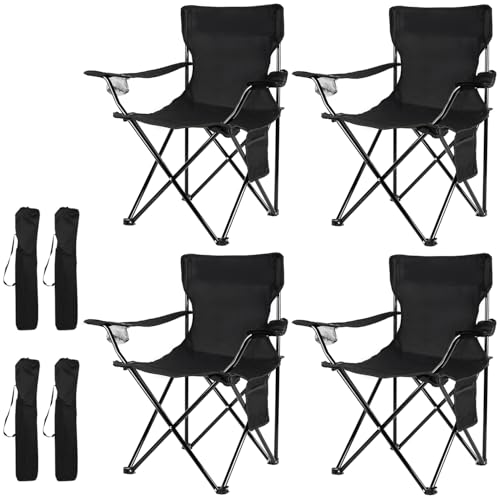
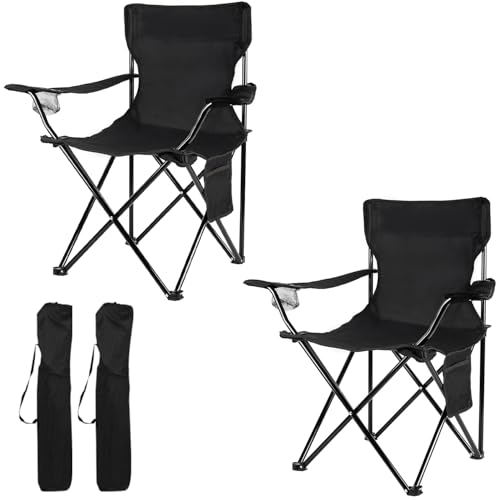
Lawn Chairs: A Complete Buying Guide
From entry-level folding seats to premium weather-resistant loungers, discover how to choose lawn chairs that match your yard, your lifestyle, and your long-term needs.
EXPLORE RECOMMENDED OPTIONSWhy lawn chairs deserve careful thought: A lawn chair is one of the most-used pieces of outdoor furniture you will ever own. It gets pulled out for backyard barbecues, moved around the garden, folded up for trips, and left out in the sun and rain. Choosing the right one is less about a single feature and more about matching construction quality, comfort, and portability to how you actually live outdoors.
This guide walks you through the materials, frame types, seating surfaces, and tier classifications that separate a chair that lasts a season from one that lasts a decade. Whether you are furnishing a sprawling lawn, a compact balcony, or a campsite, you will find clear, practical guidance below.
What Makes a Good Lawn Chair?
Lawn chairs occupy a unique space in outdoor furniture. They need to be light enough to move, sturdy enough to handle uneven ground, and resilient enough to survive exposure to the elements. Unlike a fixed patio sofa, a lawn chair is often folded, carried, and stored repeatedly. That means the hinges, joints, and frame material matter just as much as the seat fabric.
A well-designed lawn chair balances four core qualities:
- Frame integrity: The skeleton of the chair determines how much weight it supports and how long it stays stable. Reinforced joints and welded connections are hallmarks of durable construction.
- Seating surface: Mesh, woven fabric, and padded textiles each offer different trade-offs between breathability, comfort, and weather resistance.
- Portability: Folding mechanisms, carry handles, and overall weight determine how easily the chair moves between locations.
- Weather resistance: Powder-coated finishes, rust-proof hardware, and UV-stable fabrics extend the chair's usable life outdoors.
For a broader look at how lawn chairs fit into a complete outdoor setup, explore our chairs for outside guide and the wider chairs and benches collection.
Lawn Chair Materials Explained
The material of both the frame and the seating surface determines the chair's weight, durability, and comfort. Here is how the most common options compare.
Frame Materials
- Steel: Heavy-duty and highly stable. Steel frames handle weight well and resist wobbling, but they are heavier to move and require a rust-proof finish to survive outdoor exposure. Look for powder-coated steel for the best balance of strength and corrosion resistance.
- Aluminum: Lightweight and naturally rust-resistant. Aluminum frames are ideal for chairs that need to be carried or moved frequently. They are slightly less rigid than steel but offer excellent longevity in wet climates.
- Wood: Classic and warm in appearance. Cedar and teak are naturally weather-resistant, while other woods require sealing. Wooden lawn chairs are typically stationary and heavier, but they deliver a traditional look that suits cottage and farmhouse settings. See our cedar Adirondack chairs guide for a popular wooden option.
- Resin and plastic: The most weather-proof and lightweight option. Resin chairs resist moisture, insects, and UV damage, and they are easy to clean. They are generally best suited to casual or temporary use.
Seating Surface Materials
- Mesh: Breathable, quick-drying, and lightweight. Mesh seats are excellent for hot climates and for chairs that get wet. They offer less padding but excellent airflow.
- Woven fabric: A step up in comfort. Woven textiles conform to the body and resist sagging when tightly tensioned. They dry more slowly than mesh and should be stored during heavy rain.
- Padded fabric: The most comfortable option for extended sitting. Padded seats and backs add cushioning but require more care, including proper drying and off-season storage.
Practical tip: match the material to the climate
In humid or rainy regions, aluminum frames with mesh seats dry fastest and resist corrosion best. In dry, sunny climates, steel frames with padded woven seats stay comfortable without trapping moisture. If your chairs stay outside year-round, prioritize rust-proof finishes and UV-stable fabrics above all else.
Lawn Chair Tiers: Entry-Level to Premium
Lawn chairs fall into broad quality tiers. Understanding these tiers helps you set realistic expectations for durability, comfort, and features without relying on transient market conditions. The table below outlines what each tier typically delivers.
| Tier | Best For | Typical Characteristics |
|---|---|---|
| Entry-level | Occasional use, camping, temporary seating | Lightweight frames, basic mesh or fabric seats, simple folding mechanisms, shorter lifespan under continuous outdoor exposure |
| Mid-range | Regular backyard use, family seating | Powder-coated steel or aluminum frames, reinforced joints, tensioned woven seats, better weight capacity, improved weather resistance |
| Premium | Daily use, permanent placement, design-focused spaces | High-grade materials, rust-proof hardware, padded or ergonomic seating, superior UV resistance, refined finishes and joinery |
Entry-level chairs are a solid choice for occasional seating and portable use, but they are not designed for continuous exposure. Mid-range models represent the sweet spot for most households, offering a noticeable step up in frame rigidity and seat comfort. Premium chairs are a long-term investment for homeowners who want their outdoor seating to look and feel refined season after season.
For related comparisons across seating categories, see our guides to outdoor chairs and comfortable outdoor chairs without cushions.
Key Features to Evaluate Before You Buy
1. Weight Capacity and Frame Rigor
Always check the manufacturer's stated weight capacity. Standard lawn chairs typically support around 250 pounds, while heavy-duty models support 350 pounds or more. Beyond the number itself, look at the construction: reinforced joints, cross-bracing, and thicker gauge tubing all signal a chair built to handle real-world use.
2. Folding Mechanism and Portability
If you plan to move your chairs often, test how the folding mechanism feels. Smooth, lockable hinges prevent accidental collapse and make setup faster. Carry handles and shoulder straps are small details that make a large difference for camping and picnic use. Our comfortable outdoor folding chairs with arms guide covers this category in more detail.
3. Seat Height and Ergonomics
Lawn chairs come in standard, low, and high-back profiles. Low chairs are great for lounging near a fire pit, while standard-height chairs work better for dining and conversation. If you plan to sit for long periods, prioritize lumbar support and a seat depth that matches your body.
4. Weather Resistance
Look for powder-coated frames, stainless or rust-proof hardware, and UV-treated fabrics. Chairs that will remain outdoors through all seasons benefit from drainage-friendly seat materials and covers during extreme weather.
5. Storage and Maintenance
Folding chairs that stack or nest save space in sheds and garages. Non-folding chairs need dedicated storage space, so plan accordingly. Routine maintenance is simple: wipe frames with mild soap, dry thoroughly after rain, and store cushions indoors when not in use.
Quick buying checklist
Before committing to a chair, confirm the frame material and finish, the stated weight capacity, the folding or stacking capability, the seat fabric's drying behavior, and the warranty terms. A chair that scores well on all five is ready for years of outdoor use.
How Lawn Chairs Fit Into Your Outdoor Space
Lawn chairs are versatile by design, but placement matters. On open lawns, choose chairs with wider feet or leg caps to prevent sinking into soft ground. On decks and patios, prioritize chairs with protective glides to avoid scratches. Around fire pits, low-profile chairs with heat-resistant fabrics work best — see our chairs for fire pit recommendations.
For small yards and balconies, folding chairs that tuck away easily make the most sense. For families, consider a mix of folding chairs for flexibility and a few stationary chairs for stability. And if you are furnishing a larger seating area, our comfy outdoor chairs for small spaces guide offers compact alternatives that still deliver comfort.
Care and Maintenance Tips
- Rinse frames periodically with fresh water to remove dust and pollen buildup.
- Dry chairs completely before folding and storing to prevent mildew on fabric seats.
- Apply touch-up paint to chipped powder coating to stop rust from spreading.
- Store padded chairs indoors during winter or prolonged rain.
- Check hinges and bolts at the start of each season and tighten as needed.
Well-maintained lawn chairs can serve for many seasons, and the effort required is minimal compared to the cost of replacement.
Frequently Asked Questions
What materials are best for lawn chairs?
Steel and aluminum frames offer the most durability, while powder-coated finishes resist rust. For seating surfaces, mesh and woven fabric dry quickly, whereas padded fabrics provide more comfort but require proper storage.
How do I choose between folding and stationary lawn chairs?
Folding chairs suit portable use and compact storage, making them ideal for picnics and small yards. Stationary chairs provide sturdier support and are better for permanent placement on a lawn or patio.
How should I care for outdoor lawn chairs?
Clean frames with mild soap and water, dry thoroughly after rain, and store cushions indoors during off-season months. Applying a protective coating to metal frames extends their lifespan.
What weight capacity should I look for in a lawn chair?
Most standard lawn chairs support around 250 pounds, while heavy-duty models support 350 pounds or more. Check the manufacturer's stated capacity and choose a chair with reinforced joints for heavier users.
Ready to Choose Your Lawn Chairs?
Browse our curated selection of recommended lawn chairs below, organized to help you compare features, tiers, and construction quality at a glance.
VIEW RECOMMENDED CHAIRS