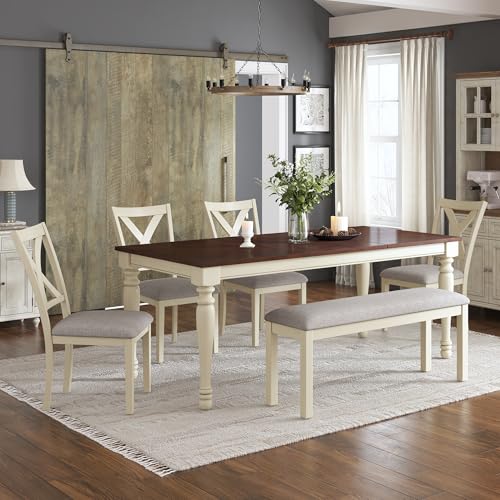
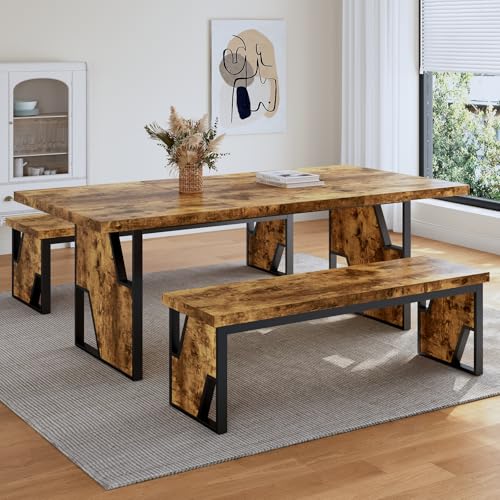
Rustic Dining Table with Bench and Chairs
Everything you need to know before choosing a warm, character-rich dining set — from wood species and sizing to bench seating benefits, weatherproofing, and long-term care.
Explore the Buying GuideWhy this guide matters: A rustic dining table with bench and chairs blends the charm of natural materials with the practicality of mixed seating. Whether you are outfitting a covered porch, a sunroom, or an open patio, this guide walks you through the decisions that matter most — so you can choose with confidence and enjoy your set for years.
What Defines a Rustic Dining Set?
A rustic dining table with bench and chairs is more than a piece of furniture — it is a design statement. The rustic aesthetic draws from farmhouse, cabin, and country traditions, emphasizing honest materials, visible grain, and solid joinery over glossy finishes and delicate silhouettes. The result is a set that feels welcoming, lived-in, and built to handle real life.
Three elements typically distinguish a rustic dining set:
- Natural materials: Solid wood — such as teak, cedar, acacia, or pine — is the hallmark. Reclaimed timber and distressed finishes add extra character. Some sets pair wood tops with powder-coated metal frames for a modern-rustic hybrid.
- Honest construction: Exposed joinery, sturdy legs, and reinforced cross-bracing are common. The goal is a piece that looks substantial and behaves accordingly.
- Mixed seating: A bench on one or both sides paired with chairs at the heads or opposite side. This combination is practical for families, casual entertaining, and spaces where flexibility matters.
If you prefer a slightly more tailored look, a rustic farmhouse table with bench and chairs keeps the same warm character while leaning a bit more polished. Either way, the bench-and-chair pairing is the defining feature that sets this category apart.
Why Choose a Bench-and-Chairs Configuration?
More Seating, Less Footprint
Benches tuck neatly under the table, freeing floor space when the set is not in use. In compact dining areas, this flexibility is a genuine advantage over an all-chair arrangement.
Casual, Inclusive Dining
Benches invite people to slide in and settle down, making them ideal for families with children and for relaxed gatherings where formal seating feels unnecessary.
Visual Interest
Mixing a bench with chairs breaks up visual monotony. The contrast in silhouettes adds depth to the room and highlights the table as the centerpiece.
Adaptable Layouts
A bench can be pulled to the side, used as a buffet perch, or repositioned for extra seating during holidays. Chairs can be moved independently, giving you flexibility that fixed sets cannot match.
Choosing the Right Material
The material you choose affects appearance, durability, maintenance, and how the set ages. Here is a practical comparison of the most common options for a rustic dining table with bench and chairs:
| Material | Best For | Weather Resistance | Maintenance Level |
|---|---|---|---|
| Teak | High-end outdoor dining, long-term investment | Excellent — naturally oil-rich | Low to moderate; annual oiling optional |
| Cedar | Covered patios, natural insect resistance | Very good — naturally rot-resistant | Moderate; sealant recommended |
| Acacia | Mid-range indoor/outdoor sets, distinctive grain | Good — needs protection in wet climates | Moderate; regular sealing advised |
| Pine / Fir | Entry-level indoor rustic sets | Limited — best for sheltered areas | Higher; frequent sealing needed |
| Powder-Coated Steel + Wood | Modern-rustic hybrid sets, high-traffic use | Very good — rust-resistant finish | Low; wipe clean, inspect hardware |
For open-air patios, teak and cedar are the most forgiving choices. If the set will sit under a covered area, acacia and pine can perform well with proper sealing. If you are also considering outdoor kitchen or dining accessories, the broader outdoor dining chairs set of 6 category offers useful context for pairing chairs with your table.
Material choice also affects how the set integrates with surrounding furniture. Many buyers pair rustic dining tables with stone garden benches or cedar Adirondack chairs to maintain a consistent natural palette. If you are planning a full outdoor room, a screened-in deck helps protect wood furniture from the elements year-round.
How to Choose the Right Size
Sizing is the most common source of buyer regret. A table that is too large crowds the room; one that is too small leaves guests uncomfortable. Use these guidelines as a starting point:
- Allow about 24 inches (60 cm) of table width per seated person. A six-foot table comfortably seats six adults with a bench on one side and chairs on the other.
- Leave at least 36 inches (90 cm) of clearance around the table so chairs and bench users can pull in and out without bumping walls or other furniture.
- Bench depth matters: A bench 14–16 inches deep is comfortable for most adults. Deeper benches take up more floor space but can double as a landing spot.
- Consider the room's traffic flow: Walkways behind chairs should remain clear even when the table is fully set.
If your space is tight, a rectangular table with a bench on one long side and chairs on the other is often the most efficient layout. For a related sizing reference, the round patio dining table with umbrella hole guide covers diameter-based seating for circular tables.
Style and Finish Options
Rustic does not mean one-size-fits-all. The finish you choose determines whether the set reads as cabin-cozy, coastal-casual, or modern-farmhouse:
- Natural oiled wood: Warm, honey-toned, and closest to the timber's original character. Ideal for traditional rustic and farmhouse settings.
- Weathered / gray-washed: A silvered, driftwood look that suits coastal and transitional spaces. Pairs well with soft blues and whites.
- Distressed white or painted: A farmhouse signature. Works especially well in bright, airy rooms or sunrooms.
- Dark stained: Espresso or walnut tones add contrast and formality while retaining rustic grain.
If you are building a cohesive outdoor room, coordinate the table's finish with adjacent pieces. A wicker patio furniture grouping or a teak furniture collection can anchor the palette and keep the space visually unified.
Outdoor-Specific Considerations
If your rustic dining table with bench and chairs will live outdoors — even under a covered patio — plan for moisture, UV exposure, and seasonal swings:
- Weather-resistant coating: Choose sets with factory-applied sealants or plan to apply a high-quality outdoor finish annually. The outdoor waterproof material for garden furniture guide explains which treatments actually hold up.
- Hardware quality: Stainless or galvanized fasteners resist corrosion. Inspect bolts and brackets seasonally and tighten as needed.
- Drainage and airflow: Position the set where water cannot pool. Raise legs slightly with protective pads if the surface is uneven.
- Cushion care: If your bench or chairs include cushions, bring them inside during heavy rain. Replacement covers are widely available — see the sofa replacement cushions for outdoor furniture guide for fit and fabric tips.
For rust-prone metal components, keep a rust-removal plan in place. The rust removal resource covers safe methods for hardware and frames. Pairing your dining set with shade — such as an outdoor umbrella with solar lights and stand — also reduces UV stress on wood finishes.
Maintenance and Long-Term Care
A well-made rustic set can last for decades with modest care. Follow a simple seasonal routine:
- Clean regularly: Wipe with a damp cloth and mild soap. Avoid abrasive cleaners that strip finishes.
- Re-seal annually: Apply a wood-specific sealant or oil at the start of the season. Teak can be left to silver naturally if you prefer that look.
- Inspect joints and hardware: Tighten bolts, check for splintering, and replace worn glides.
- Protect during off-season: Use a breathable cover rather than plastic to prevent trapped moisture. Store cushions indoors.
- Address damage early: Sand minor scratches and re-oil before moisture penetrates the grain.
For a deeper maintenance reference, the outdoor rocking chairs with cushions guide includes fabric care notes that apply to bench cushions as well.
Understanding Quality Tiers
Rustic dining sets are available across a wide spectrum of construction quality. Instead of focusing on numbers, use these universal tier descriptors to compare sets fairly:
| Tier | Typical Characteristics | Best For |
|---|---|---|
| Entry-level | Pine or softwood construction, basic joinery, thinner tabletop | Indoor use, occasional dining, first rustic set |
| Mid-range | Acacia or cedar, reinforced joints, factory sealant | Covered patios, daily family use |
| Premium | Solid teak or high-grade hardwood, mortise-and-tenon joinery | Open-air patios, long-term investment |
| Luxury | Kiln-dried premium hardwood, hand-finished details, commercial-grade hardware | Design-focused spaces, heavy entertaining, legacy furniture |
Mid-range sets generally offer the strongest balance of durability and craftsmanship for most households. Premium and luxury tiers justify their positioning through joinery quality, wood selection, and finish longevity — differences that become obvious after several seasons of use.
Pairing Your Set with the Rest of Your Space
A rustic dining table with bench and chairs is often the anchor of an outdoor room. To build a cohesive space:
- Add shade: A patio umbrella base keeps a freestanding umbrella stable, while a round table with umbrella hole offers a built-in solution if you prefer a circular layout.
- Define the zone: An outdoor rug under the table visually separates dining from lounging areas. See the outdoor lighting guide for evening ambiance ideas.
- Storage: Keep cushions, covers, and table linens organized with an outside storage box or a waterproof outdoor storage bench that doubles as seating.
- Expand seating: Stackable chairs like the stackable outdoor chairs make it easy to add extra places for holiday gatherings.
If you are also considering a lounge area nearby, a swing bench or stand-alone hammock stand can extend the relaxed, rustic mood without cluttering the dining zone.
Frequently Asked Questions
What is a rustic dining table with bench and chairs?
A rustic dining table with bench and chairs is a dining set that pairs a table with a bench on one or both sides and chairs for the remaining seating. The rustic style emphasizes natural wood grain, solid construction, and a relaxed farmhouse aesthetic suitable for indoor or outdoor dining spaces.
What materials are best for a rustic outdoor dining set?
Teak, cedar, acacia, and high-grade resin wicker are popular choices for rustic outdoor dining sets. Teak and cedar offer natural weather resistance, while acacia provides a distinctive grain. Powder-coated steel frames paired with wood surfaces also deliver durable construction for year-round use.
How do I choose the right size rustic dining table?
Allow roughly 24 inches of table width per seated person and ensure at least 36 inches of clearance around the table for chair pull-out. Measure your space carefully, and consider a bench to maximize seating in tighter areas since benches tuck neatly under the table.
How do I maintain a wooden rustic dining table outdoors?
Apply a weather-resistant sealant or oil finish at least once a year, clean spills promptly, and use a protective cover during harsh weather. Inspect hardware and joints seasonally, and store cushions indoors when not in use to extend their lifespan.
Can a rustic dining table with bench and chairs be used indoors?
Yes. Many rustic sets are designed for indoor use, particularly in farmhouse-style kitchens and dining rooms. For indoor placement, choose a set with a finish appropriate for interior humidity levels, and use felt pads under legs to protect hard floors.
Ready to Choose Your Rustic Dining Set?
Use the buying guide above as your checklist, then explore curated options that match your space, style, and preferred quality tier. Every set below is selected for its rustic character and practical construction.
View Recommended Sets