Stone Garden Bench: Complete Buying Guide & Design Ideas
A stone garden bench brings permanent beauty, quiet strength, and timeless character to any outdoor space. Learn how to choose the right material, size, and placement for lasting enjoyment.
Why a stone garden bench deserves your attention: Unlike wood or metal seating that needs replacing every few seasons, a well-chosen stone bench becomes part of the landscape itself — weathering gracefully and anchoring your garden for decades. This guide walks you through everything you need to make a confident decision.
What Is a Stone Garden Bench?
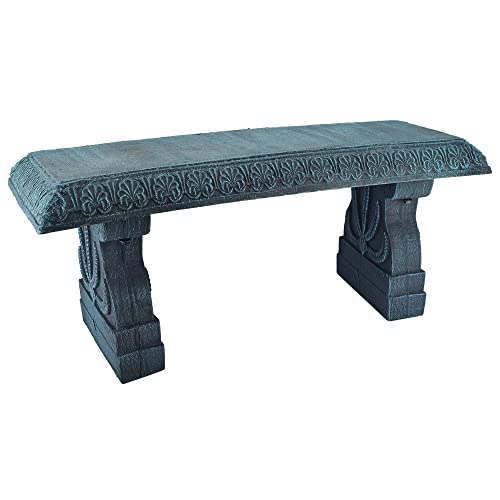
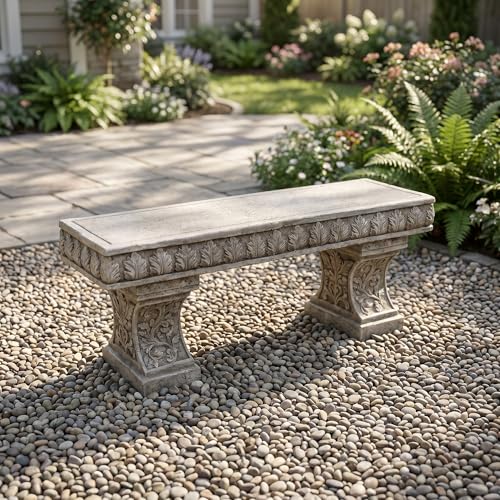
A stone garden bench is a fixed or semi-fixed outdoor seat carved or cast from natural stone or cast stone composite. It is designed to live permanently in gardens, courtyards, pathways, and patios. Unlike portable furniture, a stone bench is treated as a landscape feature — it does not move with the seasons and often becomes a focal point in its own right.
These benches pair beautifully with broader garden decor elements and often sit alongside outdoor planters or near a quiet corner framed by privacy hedges. For homeowners planning a complete garden refresh, a stone bench is one of the few pieces that genuinely improves with age.
Stone Bench Materials Compared
Not all stone benches are created equal. The material determines weight, weathering behavior, texture, and how the bench ages over time. Below is a practical comparison of the most common options.
| Material | Best For | Durability Tier | Look & Feel |
|---|---|---|---|
| Granite | High-traffic gardens, harsh climates | Premium / top-tier | Dense, polished or honed, contemporary |
| Sandstone | Natural, cottage-style gardens | Mid-range | Warm tones, softly textured, ages gracefully |
| Limestone | Classic and formal landscapes | Mid-range | Creamy, smooth, traditional |
| Cast Stone | Ornate designs, budget-conscious gardens | Entry-level to mid-tier | Uniform, moldable into decorative shapes |
| Basalt | Modern minimalist gardens | Premium | Dark, matte, architectural |
Granite sits at the top of the durability scale — it resists frost, moss, and staining better than almost any alternative. Sandstone and limestone offer a softer, more traditional appearance but require slightly more care in freezing climates. Cast stone is a good middle ground when decorative detailing matters more than raw strength.
Pro Tip: Match the Stone to Your Existing Hardscape
If your patio or pathway is made from a specific stone, choosing a bench in a complementary material creates visual harmony. A granite bench beside a sandstone patio can look intentional and striking — but pairing stone types that clash in tone usually looks accidental.
Choosing the Right Size and Shape
Stone benches come in three broad configurations, each suited to different garden layouts:
- Backless benches — the most versatile option. They work along walls, at the end of paths, or as freestanding sculptural pieces. Ideal when you want flexible seating that does not block sightlines.
- Benches with backrests — more comfortable for extended sitting. Best placed against a wall, hedge, or garden structure so the backrest feels supported.
- Curved or circular benches — dramatic focal points for round gardens, around trees, or near a water feature. These require more planning because they are difficult to reposition.
Standard bench length runs between 48 and 72 inches, seating two to three adults comfortably. Depth typically ranges from 15 to 20 inches, and seat height sits around 16 to 18 inches — the same ergonomic range as most indoor seating. Measure your intended space carefully before ordering; stone benches cannot be adjusted after delivery.
If your garden also includes a swing bench or a white outdoor bench, think about how the seating areas relate to each other. A stone bench often works best as a secondary, quieter seat rather than the main gathering spot.
Where to Place a Stone Garden Bench
Placement is where a stone bench truly earns its keep. Because it is permanent, the location should be chosen with care. Consider these proven placement strategies:
- At the end of a garden path — creates a visual destination and a reason to walk through the garden.
- Beneath a mature shade tree — provides natural cooling in summer and a contemplative spot for reading.
- Beside a water feature — the sound of moving water pairs beautifully with the solidity of stone.
- As a focal point in a flower bed — a stone bench surrounded by planting reads as sculpture.
- Along a patio edge — extends usable seating without crowding the main dining area.
Orientation matters too. A bench facing east catches morning sun, while a west-facing bench enjoys warm evening light. If you plan to use the bench in the evening, consider nearby outdoor lighting or a solar lights setup to extend usable hours.
Ground Preparation Matters
Stone benches are heavy — often several hundred pounds. The ground beneath must be level and firm. A compacted gravel base or a poured concrete pad prevents settling, rocking, and cracking over time. Never place a stone bench directly on soft soil or fresh mulch.
Key Factors When Buying a Stone Bench
Use this checklist to evaluate any stone bench before committing:
- Confirm the stone type and finish. Honed and polished finishes are smoother but can become slippery when wet. A lightly textured or bush-hammered finish offers better grip.
- Check for frost resistance. If you live in a region with freezing winters, verify that the stone is rated for freeze-thaw cycles. Dense stones like granite perform best.
- Inspect the joints and construction. Multi-piece benches should have tight, well-aligned joints. Cast stone should be free of hairline cracks.
- Plan the delivery route. A 400-pound bench cannot be carried through a narrow side gate. Measure gates, steps, and corners before ordering.
- Decide on anchoring. Some benches are designed to be anchored to a concrete pad for stability and security. Others rely on their own weight. Know which type you need.
- Consider the sealer. Many stone benches ship unsealed. A penetrating stone sealer applied after installation protects against water, moss, and stains.
If you are also furnishing the surrounding patio, browse the round patio furniture collection or explore teak furniture to balance the hardness of stone with warmer materials. Mixing stone with wood or woven textures is one of the most effective ways to keep a garden from feeling cold.
Care and Maintenance
Stone is low-maintenance, but "low" is not "none." A simple seasonal routine keeps a stone bench looking its best for decades:
- Routine cleaning: Brush off debris and wash with mild soapy water two to three times per year. A soft bristle brush works well for textured surfaces.
- Avoid acid cleaners: Acidic products can etch limestone, sandstone, and cast stone. Stick to pH-neutral stone cleaners.
- Annual sealing: Apply a penetrating sealer once a year, ideally before winter. This reduces water absorption and moss growth.
- Moss and algae control: In damp, shaded spots, moss will eventually appear. A dilute vinegar solution or a dedicated stone cleaner removes it without damaging the surface.
- Winter care: In severe climates, avoid letting snow and ice sit on the bench for extended periods. A breathable cover protects without trapping moisture.
If rust stains appear from nearby metal furniture, our rust removal guide covers safe methods that will not harm stone surfaces.
Stone Bench vs. Other Garden Bench Materials
Stone is not the only option, and it is not always the right one. Here is how it compares to common alternatives:
| Material | Strengths | Considerations |
|---|---|---|
| Stone | Permanent, weatherproof, ages beautifully, adds architectural value | Heavy, difficult to relocate, requires ground preparation |
| Wood | Warm appearance, lighter weight, repairable | Requires annual treatment, eventually decays |
| Metal | Strong, slim profiles, often stackable | Can rust, heats up in direct sun |
| Resin / Plastic | Lightweight, easy to move, low upkeep | Shorter lifespan, less premium feel |
For a garden where permanence and quiet elegance matter most, stone remains the standout choice. If you prefer the flexibility of moving seating around, a cedar adirondack chairs setup or a stackable outdoor chairs arrangement may serve you better.
Design Ideas That Elevate a Stone Bench
A stone bench is at its best when it feels integrated into the garden rather than dropped into it. Consider these design approaches:
- Frame it with planting. Low perennials and ornamental grasses soften the base and connect the bench to the soil.
- Use it to define a "room." A stone bench can mark the boundary of a garden zone, much like a low wall would.
- Pair it with a focal feature. A garden fountain or a bird bath nearby creates a natural destination.
- Add a small side table. A wrought iron end table with slate top complements the stone aesthetic.
- Layer in lighting. A solar outdoor umbrella or string lights nearby extends evening use.
Frequently Asked Questions
Ready to Add a Stone Bench to Your Garden?
Explore our recommended stone garden benches below. Each option has been selected for durability, design quality, and long-term outdoor performance.