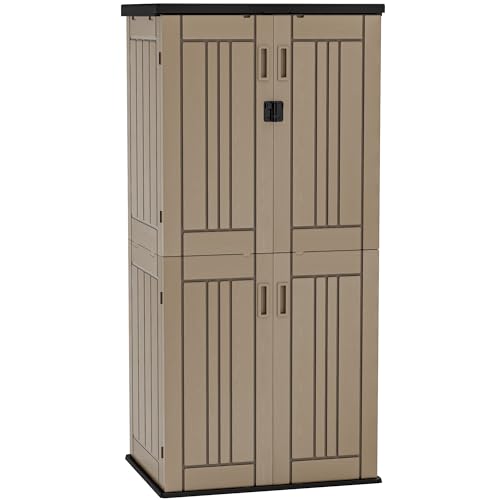
Outdoor Vertical Storage Cabinet With Shelves
Keep your patio organized, protected, and clutter-free with a smart vertical storage solution. Learn how to choose the right cabinet for your outdoor space, materials, and climate.
Explore the Buying GuideWhy an outdoor vertical storage cabinet with shelves matters: A well-chosen vertical cabinet transforms a cluttered patio into a functional extension of your home. It keeps cushions, tools, grilling accessories, and garden supplies dry, tidy, and within easy reach — while freeing up floor space for lounging and entertaining.
What Is an Outdoor Vertical Storage Cabinet With Shelves?
An outdoor vertical storage cabinet with shelves is a tall, freestanding storage unit designed to withstand weather exposure while maximizing vertical space. Unlike low storage benches or horizontal deck boxes, a vertical cabinet uses height to create multiple shelf levels, making it ideal for narrow patios, balconies, and screened-in areas where floor space is limited.
These cabinets typically feature adjustable or fixed interior shelving, weather-resistant doors, and a locking mechanism for added security. They are commonly used to store outdoor cushions, grill tools, gardening supplies, pool accessories, and small decor items. For a broader look at how storage fits into a complete outdoor setup, explore our outside storage boxes guide, which complements vertical cabinets nicely.
Why Choose a Vertical Cabinet Over Other Storage Options?
Vertical storage is a strategic choice for homeowners who want to keep their outdoor area organized without sacrificing usable floor space. Here are the key advantages:
- Space efficiency: A tall cabinet uses wall height rather than floor area, leaving more room for seating, dining, and walkways.
- Better organization: Multiple shelves create distinct zones for different categories of items, from cushions to cleaning supplies.
- Improved protection: Enclosed doors shield contents from rain, dust, UV exposure, and pests more effectively than open shelving.
- Security: Many models include lockable doors, keeping tools and valuables safer than open storage.
- Aesthetic integration: A well-designed cabinet blends with patio decor and can even serve as a decorative accent.
If you are comparing storage formats, our guide to tall outdoor storage cabinet with shelves offers deeper insight into height-based storage planning.
Key Features to Evaluate Before You Buy
1. Material and Weather Resistance
The material determines how well the cabinet handles sun, rain, humidity, and temperature swings. Resin and high-density polyethylene are popular for wet climates because they resist moisture and UV damage. Powder-coated steel offers strength in sheltered areas but requires attention to prevent rust. Teak and cedar provide natural beauty when properly sealed. For a deeper dive into weather-ready materials, see our article on outdoor waterproof material for garden furniture.
2. Shelf Configuration and Adjustability
Adjustable shelves let you customize the interior for tall items like cushions or short items like toolboxes. Look for reinforced shelf supports and a weight capacity that matches your intended contents. A cabinet with at least three shelf levels typically offers the best balance of flexibility and organization.
3. Door Style and Sealing
Doors should close firmly and include weather stripping or gaskets to keep moisture out. Double doors offer wide access, while single doors suit narrow spaces. Some models feature ventilation slots to reduce condensation — useful in humid climates.
4. Size and Footprint
Measure your available wall space, door swing clearance, and path access before ordering. A vertical cabinet typically ranges from 40 to 72 inches in height, with widths between 24 and 48 inches. Confirm the interior depth suits your largest item.
5. Locking and Security
A built-in lock or padlock-ready latch adds peace of mind for storing tools, grill accessories, or pool chemicals. Check that the locking mechanism is corrosion-resistant.
Material Comparison at a Glance
Use this table to compare common cabinet materials by tier, best use case, and maintenance needs. The tier descriptors reflect relative market positioning, not numeric values.
| Material | Tier Positioning | Best For | Maintenance Level |
|---|---|---|---|
| Resin / High-Density Polyethylene | Essential to mid-range tier | Wet climates, coastal patios, low-maintenance households | Low — wipe clean, no sealing required |
| Powder-Coated Steel | Mid-range tier | Sheltered patios, modern designs, tool storage | Moderate — inspect for scratches, touch up coating |
| Teak / Cedar | Premium to luxury tier | Design-forward patios, natural aesthetics, dry climates | Moderate — annual sealing recommended |
| Stainless Steel | High-end to professional-grade tier | Outdoor kitchens, humid environments, heavy-duty use | Low to moderate — polish occasionally |
How to Choose the Right Size and Placement
Getting the size right is the difference between a cabinet that feels like a built-in feature and one that crowds your patio. Follow these steps:
- Measure the wall: Record width and height of the intended spot, including any obstructions like outlets or hose bibs.
- Check door clearance: Ensure doors can open fully without hitting furniture or railings.
- Map your contents: List what you plan to store and note the largest dimensions — especially cushions and folded chairs.
- Confirm access: Verify the delivery path (gate width, stairs, elevator) accommodates the cabinet's packaged size.
- Plan for drainage: Place the cabinet on a level, well-drained surface; a small patio paver base helps.
For narrow balconies, a slim vertical cabinet paired with compact furniture works well. Browse our small outdoor patio set with fire pit ideas to see how storage and seating can coexist in tight spaces.
Smart Organization: What to Store on Each Shelf
A vertical cabinet's greatest strength is its ability to create distinct storage zones. Here is a practical shelf-by-shelf approach:
- Top shelf: Lightweight, infrequently used items — seasonal decor, spare light bulbs, extra linens.
- Upper-middle shelf: Frequently used accessories — grill tools, matches, serving trays, citronella candles.
- Lower-middle shelf: Cushions, folded throws, and small pillows (confirm shelf depth first).
- Bottom shelf: Heavier items — cleaning supplies, garden tools, pool chemical containers (always sealed).
Use clear bins or labeled baskets on each shelf to keep small items contained. Add moisture-absorbing packets in humid climates to protect fabrics and metal tools.
Maintenance and Longevity Tips
Even the most durable cabinet benefits from routine care. Follow these habits to extend its service life:
- Wipe down exterior surfaces monthly to remove pollen, dust, and bird droppings.
- Inspect door seals and gaskets seasonally; replace worn stripping to maintain a weather-tight closure.
- Touch up scratches on powder-coated steel promptly to prevent corrosion.
- Reapply sealant to wood cabinets annually, ideally before the rainy season.
- Keep the interior dry — allow damp items to air out before storing.
- Check hinges and latches for looseness and tighten as needed.
If rust appears on metal components, our rust removal guide walks through safe, effective treatment steps.
Complementary Outdoor Storage and Patio Essentials
A vertical cabinet works best as part of a coordinated outdoor storage plan. Consider these complementary categories:
- Outside storage boxes for bulky items like pool toys and extra cushions.
- Waterproof outdoor storage box 150 gallon for high-volume seasonal storage.
- Waterproof outdoor storage box for patio cushions to keep fabrics dry and fresh.
- Stainless steel outdoor table with cabinet for a combined surface and storage solution.
- Screened-in deck planning tips if you are designing a protected outdoor room.
Pairing a vertical cabinet with a storage bench or box creates a layered system that handles everything from daily-use tools to seasonal overflow.
Final Buying Checklist
Before you commit to a model, run through this quick checklist:
- Material suits your climate and maintenance preference.
- Shelf configuration accommodates your largest items.
- Doors seal well and include weather stripping.
- Locking mechanism is corrosion-resistant.
- Dimensions fit your wall space and door swing.
- Weight capacity meets your storage needs.
- Assembly requirements match your comfort level.
- Warranty covers structural and finish issues.
If you are still comparing formats, revisit our tall outdoor storage cabinet with shelves overview for height-specific guidance.
Ready to Organize Your Patio?
Explore our curated selection of outdoor vertical storage cabinets with shelves and find the model that fits your space, style, and storage needs.
View Recommended CabinetsFrequently Asked Questions
What material is best for an outdoor vertical storage cabinet with shelves?
Resin and high-grade polyethylene are excellent for wet climates because they resist moisture and UV damage. Powder-coated steel suits drier, sheltered patios, while teak and cedar offer natural beauty when sealed regularly. Choose a material that matches your local weather and maintenance preference.
How tall should an outdoor vertical storage cabinet be?
A tall cabinet around 60 to 72 inches makes efficient use of vertical space and keeps frequently used items at eye level. Mid-height models between 40 and 55 inches are easier to access on small balconies. Measure your available wall space and door clearance before deciding.
Can I use a vertical outdoor cabinet for cushion storage?
Yes, provided the cabinet has deep shelves and a weather-resistant seal. Look for models with adjustable shelving and ventilation to prevent trapped moisture. For large cushions, confirm the interior depth and shelf spacing against your cushion dimensions.
Do I need to anchor the cabinet to the wall?
In windy areas or on elevated balconies, anchoring is strongly recommended. Many tall cabinets include wall-mount brackets or anti-tip kits. Check the product specifications and follow the manufacturer's installation guidance.
How do I prevent moisture buildup inside the cabinet?
Choose a model with ventilation slots or add moisture-absorbing packets. Ensure stored items are dry before placing them inside, and inspect door seals regularly. In very humid climates, a small reusable dehumidifier pack can help.