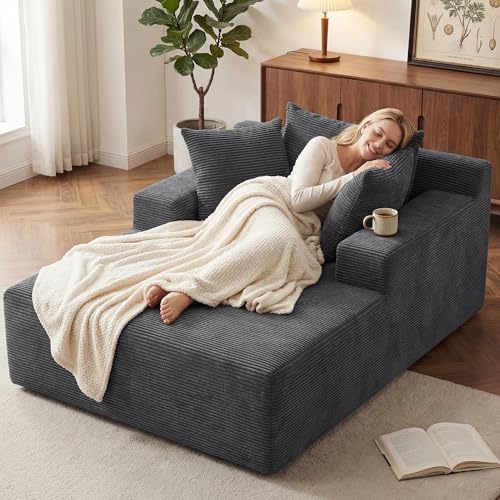
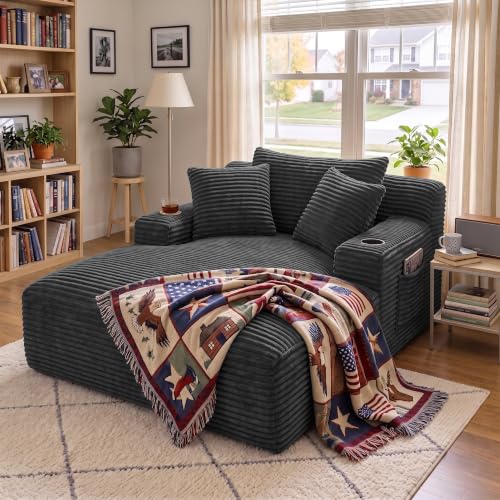
Oversized Chaise Lounge Chairs: The Complete Comfort Guide
Everything you need to know about choosing extra-large chaise lounges for unrivaled outdoor relaxation — from frame construction and cushion quality to adjustability and placement.
START THE GUIDEWhy go oversized? An oversized chaise lounge chair transforms ordinary patio time into a spa-like experience. The generous seating surface accommodates taller users, side sleepers, and anyone who simply refuses to compromise on comfort. This guide walks you through every decision point so you can choose with confidence.
What Makes a Chaise Lounge "Oversized"?
A standard chaise lounge typically measures around 25 to 28 inches in width, while an oversized chaise lounge chair generally spans 30 to 36 inches or more across the seat. The extra width and length (often 78 to 84 inches) create a genuinely flat, full-body resting surface that standard loungers cannot match. Beyond raw dimensions, oversized models usually feature thicker cushions, higher weight capacity, and sturdier frames.
It is worth noting that oversized chaise chairs are distinct from standard outdoor lounge furniture. The former is purpose-built for individual sprawl and deep relaxation, whereas general lounge collections may prioritize seating for conversation. If your goal is solitary comfort beside a pool or on a sunny deck, an oversized chaise is the more specialized choice.
Many buyers also compare oversized chaise lounges with oversized chaise chairs, which tend to include a backrest that reclines through fewer positions but offers a more upright resting angle. Understanding the difference helps you match the product to your actual lounging style.
Frame Materials: The Foundation of Durability
The frame determines how long your oversized chaise lounge will last and how much weight it can safely support. Because oversized models are larger and heavier, frame integrity is even more critical than on compact loungers. Here is how the main materials compare:
Aluminum
Lightweight, rust-proof, and easy to reposition. High-grade aluminum is the preferred choice for premium and luxury tiers because it resists corrosion in coastal or humid environments while remaining manageable to move.
Powder-Coated Steel
Heavy-duty and exceptionally stable. Steel frames hold high weight capacities and resist wobble, but require a well-maintained weather-resistant coating to prevent rust over time.
Teak & Hardwood
Natural beauty and impressive longevity. Solid teak develops a graceful silver patina and is naturally weather-resistant. These frames represent a long-term investment and suit rustic or coastal design schemes.
Resin & Polypropylene
Entry-level and mid-range options that are lightweight, waterproof, and simple to clean. Modern resin can convincingly mimic wicker or wood, making it a practical choice for seasonal setups.
Wicker & Rattan
Woven over a metal frame, these deliver timeless texture. Synthetic all-weather wicker resists fading and moisture far better than natural rattan and is common in mid-range to premium collections.
Composite & Poly Lumber
Engineered materials that resist rot, insects, and UV damage. These are a smart long-term investment for exposed decks and are increasingly used in commercial-grade outdoor furniture.
For a deeper look at maintenance expectations across materials, our outdoor patio furniture overview covers seasonal care routines and protective strategies in detail. If you are furnishing a compact porch rather than a sprawling pool deck, outdoor furniture for a small screened-in porch offers space-conscious alternatives that still deliver comfort.
Cushion Quality: Where Comfort Is Won or Lost
On an oversized chaise, the cushion is not an accessory — it is the product experience. A wide frame with a thin, poorly filled cushion defeats the entire purpose. Focus on three factors: foam density, fabric performance, and thickness.
Foam Density and Thickness
High-density foam retains its shape season after season and prevents the sagging that plagues low-quality fill. Premium oversized chaise lounges typically use cushions that are 3 to 5 inches thick, often with a memory-foam or layered construction. Mid-range models commonly offer 2 to 3 inches, which is adequate for occasional use but may compress faster under frequent, prolonged lounging.
Fabric Performance
Solution-dyed acrylic and olefin fabrics resist fading, mildew, and moisture. Look for quick-dry cores and removable, machine-washable covers. Our guide to outdoor furniture fabric explains how different weaves perform against sun and rain, while the outdoor furniture cushions hub covers fill types and replacement options in depth.
Replacement and Upkeep
Even the best cushion will eventually need refreshing. Before you commit to a frame, confirm that replacement cushions are available for that model. Browsing outdoor dining replacement cushions illustrates how sizing and attachment styles vary — a lesson that applies equally to chaise cushions. You can also explore outdoor furniture replacement cushions for seasonal refresh options.
Adjustability and Comfort Features
The best oversized chaise lounge chairs offer multiple reclining positions, typically ranging from fully flat to an upright reading angle. Key features to evaluate:
- Recline mechanism: Look for a smooth, multi-position backrest with a secure locking system. Premium models use gas-spring or ratchet mechanisms that adjust effortlessly.
- Wheels and casters: Oversized loungers are heavy. Locking casters make it possible for one person to reposition the chair to follow the sun.
- Armrests: Wide, flat armrests double as surfaces for a book or drink. Some models include a built-in cup holder or side tray.
- Stackability: If you own several loungers, stackable designs simplify off-season storage.
- Weight capacity: Oversized frames should be rated for higher loads than standard loungers. Check the manufacturer’s stated capacity and ensure it comfortably exceeds your needs.
- Face opening: For sunbathers who read or tan face-down, a face cutout is a genuinely useful addition.
Pair your chaise with complementary pieces to complete the zone. A nearby outdoor side table holds drinks and sunscreen, while outdoor shade solutions — from cantilever umbrellas to pergolas — keep the area usable through midday heat.
Comparing Oversized Chaise Tiers
The following table uses universal quality tiers rather than any numeric figures. Use it to calibrate expectations as you shop.
| Tier | Typical Frame | Cushion Profile | Best For |
|---|---|---|---|
| Entry-level | Resin or lightweight steel with basic coating | Thinner fill, standard fabric, limited recline positions | Occasional use, seasonal setups, first-time buyers |
| Mid-range | Powder-coated aluminum or synthetic wicker over metal | Medium-density foam, solution-dyed fabric, multi-position recline | Regular weekend lounging, family patios |
| Premium | High-grade aluminum or solid teak | High-density layered foam, quick-dry core, smooth ratchet mechanism | Daily use, poolside settings, comfort-focused households |
| Luxury / commercial-grade | Marine-grade aluminum, reinforced joints, solid hardwood | Memory foam, premium acrylic, gas-spring recline, replaceable covers | Hospitality environments, serious outdoor living enthusiasts |
Placement and Design: Making the Oversized Chaise Work
An oversized chaise lounge is a statement piece. It needs breathing room to look intentional rather than cramped. As a rule of thumb, allow at least 24 inches of clearance on the entry side and 12 inches on the others so the chair can recline fully and be circled comfortably.
Poolside and Deck Layouts
On a pool deck, angle loungers slightly toward the water and stagger them rather than lining them up like soldiers. A pair of oversized chaises with a shared side table creates a natural conversation zone. If your space is a screened deck, review screened-in deck furnishing ideas for layout and material considerations.
Complementary Furniture
Balance the visual weight of a large chaise with lighter, lower-profile pieces. A outdoor ottoman or a round outdoor side table prevents the arrangement from feeling heavy. For social setups, a patio conversation set nearby turns a lounging corner into a full outdoor living room. Ground the space with an outdoor setting that ties furniture, rugs, and lighting together.
Shade and Wind
Oversized loungers catch wind like sails. On exposed decks, choose a heavier frame or add locking casters so the chair stays put. Position the lounge within reach of an outdoor umbrella patio solution for adjustable shade throughout the day.
Care and Longevity Tips
- Clean frames regularly: Rinse aluminum and steel frames with fresh water, especially in coastal areas, and dry thoroughly to prevent mineral buildup.
- Store cushions when not in use: Even quick-dry fabrics benefit from being kept dry and covered during off-seasons.
- Treat rust promptly: Small rust spots on steel frames should be sanded and recoated immediately. Our rust removal guide walks through the process safely.
- Protect during winter: Use breathable covers and store the chaise in a sheltered area if possible. Oversized models may require dedicated storage space.
- Inspect hardware annually: Tighten bolts and lubricate recline mechanisms at the start of each season.
Ready to Elevate Your Outdoor Relaxation?
Explore our curated selection of oversized chaise lounges and bring resort-level comfort to your patio.
VIEW RECOMMENDED LOUNGERSFrequently Asked Questions
How wide is an oversized chaise lounge chair?
Most oversized chaise lounges measure between 30 and 36 inches in seat width, compared with 25 to 28 inches for standard models. Length typically ranges from 78 to 84 inches, providing a flatter, more spacious resting surface.
Are oversized chaise lounges suitable for tall users?
Yes — this is one of their primary advantages. The extended length and wider seat accommodate taller individuals far better than standard loungers, allowing the legs and head to rest without overhanging the frame.
What weight capacity should I look for?
Oversized frames are engineered for higher loads than compact loungers. Check the manufacturer’s stated capacity and choose a model whose rating comfortably exceeds the intended user’s weight. Premium and commercial-grade tiers generally offer the highest rated capacities.
Can oversized chaise lounges stay outside year-round?
It depends on the materials. High-grade aluminum and teak frames with solution-dyed cushions can remain outdoors in most climates with routine care. Resin and steel frames benefit from covers or seasonal storage to extend their lifespan.
How many oversized chaises fit on a typical patio?
Allow roughly 5 to 6 feet of width per chaise to accommodate the frame and comfortable clearance. A 12-foot-wide patio comfortably holds two oversized loungers with a shared side table between them.
What is the difference between an oversized chaise lounge and an oversized lounge chair?
An oversized lounge chair typically offers a more upright seated position with a deeper back and armrests, while an oversized chaise lounge reclines nearly flat for full-body lounging. Some buyers own both for different moods and activities.