Oversized Chaise Chairs: The Complete Guide to Spacious Outdoor Relaxation
Everything you need to know about extra-wide, heavy-duty chaise loungers — from frame materials and cushion engineering to weight capacity and layout planning for your patio or poolside.
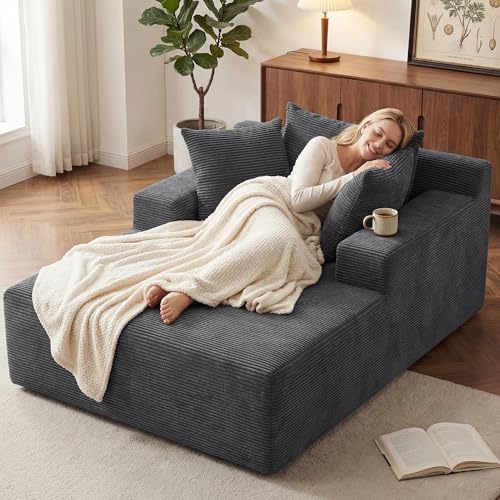
Why oversized chaise chairs deserve a closer look: A standard chaise lounge works fine for a quick recline, but it often feels cramped for taller users, side-sleepers, and anyone who wants to shift positions without gripping the armrests. An oversized chaise chair adds width, length, and structural reinforcement — turning a brief sit into a genuinely restful afternoon. This guide walks you through the specifications that matter, so you can evaluate options with confidence before you commit.
What Makes a Chaise Chair "Oversized"?
The term oversized is not a marketing flourish — it describes measurable differences in three dimensions and one critical spec:
- Seat width: Standard chaise lounges typically measure 20 to 24 inches across the seat. Oversized models start around 26 inches and can reach 32 inches or more, giving shoulders and hips room to settle naturally.
- Deck length: The flat reclining surface on a standard lounger runs about 70 to 74 inches. Oversized versions extend to 78 to 82 inches, which matters for users above six feet tall.
- Weight capacity: Standard frames are often rated for 250 to 300 pounds. Oversized chaise chairs are commonly engineered for 350 to 500 pounds, signaling a reinforced frame, wider leg stance, and heavier-gauge materials.
These dimensions compound: a wider seat with a longer deck and a stronger frame produces a piece of furniture that feels stable rather than tippy, and supportive rather than confining. That combination is what separates a true oversized chaise from a slightly scaled-up standard model.
Frame Materials: The Structural Backbone
The frame determines how long the chair survives sun, rain, chlorine, and repeated reclining cycles. Here is how the main categories compare:
Powder-Coated Aluminum
Aluminum is the most popular frame material for premium and mid-range oversized chaise chairs. It will not rust, it is substantially lighter than steel, and a powder-coated finish resists scratching and fading. Because aluminum is less rigid than steel, quality manufacturers use thicker wall tubing and internal bracing to achieve the necessary weight capacity. When you see a high-end tier lounger with a 400-pound rating and a manageable weight, aluminum with reinforced joints is usually the reason.
High-Grade Steel
Steel frames deliver maximum rigidity and are common in commercial-grade chaise chairs for resorts and rental properties. The trade-off is weight and the need for a rust-proof finish — galvanized or heavily powder-coated — to prevent corrosion at weld points. If the chair will stay in one place and durability is the priority, steel is a solid choice. If you need to move it frequently, aluminum is more practical.
Weather-Resistant Wicker and Resin
Woven wicker over an aluminum internal frame gives an oversized chaise chair a classic, textured appearance. The key phrase is internal frame: synthetic wicker alone cannot carry heavy loads, so the structural work is done by the hidden metal skeleton. High-density polyethylene (HDPE) resin wicker resists UV degradation far better than natural rattan and is a sensible option for covered porches and sunrooms. For open patios, confirm the wicker is rated for full sun exposure.
Reclining Mechanisms: How the Chair Adjusts
Oversized chaise chairs use one of three adjustment systems, and each suits a different use pattern:
- Manual multi-position notches: A metal bar slots into a ladder of notches on the backrest. This is the most common and most durable system. Entry-level and mid-range models use four to five positions; top-tier models may offer six or seven, including a fully flat setting.
- Friction-lock arms: The armrests tighten to hold any angle within a continuous range. This feels more refined and allows precise adjustment, but the friction mechanism can loosen over years of use. Premium and luxury tiers tend to favor this design.
- Gas-spring or piston assist: A pressurized cylinder helps lift and lower the backrest with minimal effort. This is the most comfortable system for users with limited grip strength, and it appears in professional-grade and commercial-grade chaise chairs.
Whatever the mechanism, test the transition from upright to flat. On a well-built oversized chaise, the motion should feel controlled with no sudden drop or wobble at the joints.
Cushions: Where Oversized Comfort Is Won or Lost
A wide frame means nothing if the cushion compresses into a plank after twenty minutes. Three factors determine cushion performance:
- Foam density and thickness: Look for high-density foam cores at least 3 inches thick, ideally 4 to 5 inches on premium models. Denser foam distributes body weight across the full surface instead of bottoming out under pressure points.
- Quick-dry construction: Open-cell quick-dry foam allows water to pass through and air to circulate. This prevents the musty smell and slow drying that plague standard foam after rain.
- Fabric quality: Solution-dyed acrylic and high-performance olefin resist fading, mildew, and moisture. These fabrics hold color far longer than untreated polyester. If you plan to leave cushions outside, this is not an area to compromise — our guide to outdoor furniture fabric breaks down the options in detail.
Many oversized chaise chairs ship with a single long cushion that covers both the seat and backrest. Others use a two-piece design with a separate back cushion, which is easier to store and replace. If you anticipate heavy daily use, a two-piece arrangement lets you replace the worn section without discarding the whole set. For broader cushion compatibility across your patio furniture, see our outdoor furniture cushions resource.
Size and Weight Capacity: A Practical Comparison
The table below maps typical specifications to market tiers. Use it to calibrate your expectations — it deliberately avoids figures tied to transaction values and focuses on measurable product attributes.
| Tier | Typical Seat Width | Typical Deck Length | Weight Capacity Range | Best For |
|---|---|---|---|---|
| Essential tier | 26–28 in | 74–76 in | 300–350 lb | Casual weekend use, covered patios |
| Mid-range | 28–30 in | 76–78 in | 350–400 lb | Daily use, families, poolside |
| Premium / high-end tier | 30–32 in | 78–80 in | 400–450 lb | Full-sun exposure, taller users, long lounging sessions |
| Luxury / commercial-grade | 32 in and above | 80 in and above | 450–500 lb | Resort settings, heavy daily use, extended warranty expectations |
These ranges are typical rather than absolute. Some manufacturers push capacity higher through design innovation; others achieve similar numbers with heavier frames. The important takeaway is that capacity correlates with structural investment — a 450-pound rating implies more than a 300-pound rating in almost every case.
Features That Justify the Oversized Format
Beyond raw dimensions, several features make oversized chaise chairs genuinely more comfortable rather than merely bigger:
- Articulating headrests: A hinged head section that tilts up independently of the backrest. This is invaluable for reading or using a tablet while reclined.
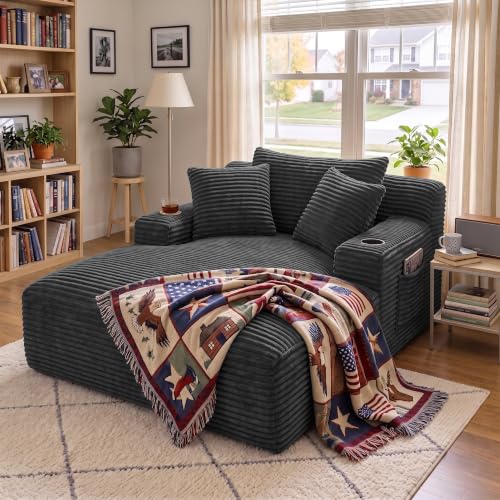
- Integrated side tables: Some premium models attach a small fold-out tray to the armrest, holding a drink, book, or phone within reach. If this appeals, our guide to outdoor side tables covers freestanding alternatives that pair well with any lounger.
- Wheels with locking casters: Oversized chairs are heavier and harder to drag. Rear wheels make repositioning simple, and locking casters hold the chair steady once placed.
- Stacking or folding capability: Less common on oversized models due to frame rigidity, but a few top-tier designs fold flat for seasonal storage. Check the folded dimensions against your storage space before assuming this feature is present.
- Non-marking feet: Wide, flat feet distribute weight and protect deck boards. Replaceable glides extend the chair's usable life when feet wear down.
Placement and Space Planning
An oversized chaise chair occupies more footprint than a standard lounger, and the difference matters in tight spaces. Plan for at least 18 inches of clearance on the entry side so you can step on and off comfortably, and leave 12 to 18 inches between adjacent chairs if you plan to place a pair side by side. On a compact balcony, a single oversized lounger with a small side table often works better than two standard chairs competing for the same floor area — the same logic that applies to outdoor furniture for a small screened-in porch.
Sun orientation is the other planning variable. If the chair will sit in direct afternoon sun, prioritize solution-dyed fabric and a frame finish rated for UV exposure. If it will sit under a pergola or awning, you have more flexibility on fabric grade and can lean toward natural textures. For shade options that pair well with loungers, browse outdoor shade solutions or compare outdoor umbrella patio setups.
Coordinating With Your Wider Patio Layout
Oversized chaise chairs work best as part of a deliberate layout rather than as isolated pieces. Consider how the lounger relates to your seating and dining zones:
- Poolside lounge zone: Pair two oversized chaises with a low table between them. A outdoor ottoman can double as a shared surface and a footrest for seated guests.
- Reading nook: A single oversized lounger angled toward a garden view, with a side table and a floor lamp or string lighting nearby.
- Conversation-friendly arrangement: If your patio also hosts guests, an oversized lounger can anchor a relaxation corner while a separate seating group handles conversation. Our overview of outdoor lounge furniture shows how loungers integrate with sofas, sectionals, and rockers.
For homeowners building out a full outdoor room, the chaise is one component of a larger system. The broader outdoor setting guide covers how seating, dining, and shade elements combine, and outdoor patio furniture provides a category-level view of the options available.
Care and Longevity
Oversized chaise chairs represent a long-term investment in your outdoor space, and a modest maintenance routine protects that investment:
- Weekly: Rinse frames with fresh water, especially after pool use. Chlorine and salt accelerate finish degradation if left on the surface.
- Monthly: Clean cushions with mild soap and water, then allow them to air dry fully before replacing them on the frame. Avoid harsh detergents that strip fabric treatments.
- Seasonally: Inspect joints, welds, and the reclining mechanism for looseness or corrosion. Lubricate moving parts with a silicone-based product, not oil-based lubricants that attract grit.
- Off-season: Use a breathable cover rather than an airtight tarp. Trapped moisture under a non-breathable cover is a common cause of mildew on frames and cushions. For detailed cleaning methods, see our rust removal guide and the weatherproofing guide.
Fabrics and frames that are maintained consistently last years longer than neglected equivalents. If you plan to store cushions indoors during winter, confirm they are fully dry before stacking — moisture trapped between cushions is the leading cause of post-storage odor.
Common Buying Mistakes to Avoid
- Ignoring the weight capacity. A chair rated for 300 pounds may technically hold a 280-pound user, but it will flex and fatigue faster under near-limit loads. Choose a capacity well above your needs for longevity.
- Assuming all oversized chairs are equal. Seat width and deck length vary significantly between models. Measure your intended lounging posture — fully flat, propped up, or seated — and match the deck length accordingly.
- Overlooking cushion replacement availability. Cushions wear out before frames do. Before purchasing, confirm that replacement cushions are available for the specific model, or that the cushion dimensions match standard replacements like those in our replacement cushions guide.
- Skipping the frame inspection. If buying in person, check weld quality, joint reinforcement, and whether the reclining mechanism moves smoothly through its full range. Online, read reviews that specifically address frame durability after a season of use.
- Forgetting the footprint. An oversized chaise chair is a substantial piece of furniture. Tape out its dimensions on your patio before ordering to confirm it fits the intended space and leaves room for foot traffic.
Frequently Asked Questions
What is the difference between an oversized chaise chair and a standard chaise lounge?
An oversized chaise chair is built with a wider seat, longer deck, and higher weight capacity than a standard chaise lounge. It accommodates larger body frames, allows room to shift positions, and often includes reinforced frames and thicker cushions for sustained comfort.
What frame materials are best for oversized chaise chairs?
Powder-coated aluminum is the top choice for rust resistance and lighter weight. High-grade steel offers maximum durability for commercial-grade use. Weather-resistant wicker or resin frames provide a traditional look with solid structural integrity when paired with a reinforced internal frame.
How do I choose the right cushion thickness for an oversized chaise chair?
Look for cushions in the 3 to 5 inch range with high-density foam cores. Thicker cushions distribute weight more evenly and resist compression over time. Quick-dry foam and solution-dyed acrylic covers extend the life of the cushion in outdoor conditions.
Can oversized chaise chairs be used poolside?
Yes, provided the frame is rust-proof or rust-resistant and the cushions use quick-dry foam with water-repellent covers. Aluminum frames with powder coating and marine-grade hardware are the safest choice for poolside placement.
What weight capacity should I look for in an oversized chaise chair?
Prioritize models rated for at least 350 pounds, with premium and commercial-grade options often rated for 400 to 500 pounds. A higher capacity usually signals a reinforced frame, wider leg stance, and better overall stability.
Final Thoughts
An oversized chaise chair is one of the few outdoor purchases where bigger genuinely means better — provided the size comes with structural reinforcement. Focus on weight capacity as your primary quality signal, then layer in frame material, cushion construction, and reclining mechanism based on how and where you plan to use the chair. A well-chosen oversized lounger becomes the anchor of a relaxation zone you will use season after season.
For a direct comparison of the leading candidates, browse the curated selections below. Each recommendation is filtered for the specifications covered in this guide — reinforced frames, generous dimensions, and cushions built for real outdoor conditions.