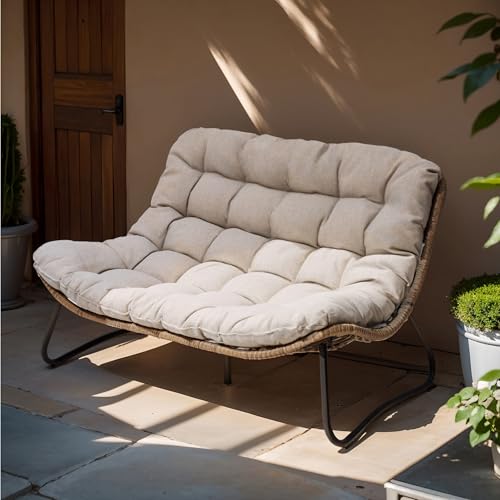
Rattan Couches: The Complete Buying Guide for Outdoor Comfort
Everything you need to know about choosing a rattan couch that balances style, durability, and everyday comfort for your patio, deck, or garden retreat.
Why rattan couches remain a favorite: The woven texture of rattan brings warmth and character to outdoor spaces in a way that solid metal or plastic simply cannot. Whether you are furnishing a sunroom, a covered porch, or an open patio, understanding the weave, frame, and cushion system helps you choose a couch that looks beautiful and holds up season after season.
What Makes Rattan Couches Unique
Rattan refers to a family of climbing palms traditionally harvested in Southeast Asia. The material is flexible, lightweight, and surprisingly strong, which is why artisans have woven it into furniture for centuries. Today, the term "rattan couch" covers two broad categories: natural rattan and synthetic all-weather wicker.
Natural rattan offers an organic look with subtle tonal variation that no synthetic material can fully replicate. It performs best in covered or screened areas where it is shielded from direct rain. Synthetic rattan, often made from high-density polyethylene, mimics the woven appearance while adding UV resistance and moisture tolerance. This makes it the practical choice for open patios and poolside lounging.
Both categories share the same visual appeal: a textured woven shell that softens the lines of a patio and pairs naturally with wood, stone, and fabric. The difference lies in how much weather exposure the couch can handle and how much maintenance it demands over time.
Natural vs Synthetic Rattan: Which Is Right for Your Patio
Choosing between natural and synthetic rattan is the first major decision in your buying journey. Each has a distinct set of strengths that suit different outdoor environments.
Natural rattan is best for covered porches, sunrooms, and screened-in decks where it is protected from rain and prolonged sun. It has a classic, handcrafted feel that many homeowners prefer for traditional and coastal design themes. However, it requires periodic sealing and should be brought indoors during wet or freezing weather.
Synthetic rattan is engineered for the outdoors. The better grades resist fading, cracking, and moisture absorption, and they hold their color through hot summers and cold winters. When paired with a rust-resistant frame, a synthetic rattan couch can live outdoors year-round in most climates. If your seating area is fully exposed, synthetic is the safer long-term investment.
For a broader look at how these pieces fit into a complete patio layout, explore our guide to outdoor patio furniture.
Frame Construction: The Hidden Backbone of a Rattan Couch
The frame is the part of a rattan couch you never see, yet it determines how long the piece stays sturdy and comfortable. Three frame materials dominate the market, each with a distinct position in the quality spectrum.
Powder-coated aluminum sits in the premium and high-end tiers. It is lightweight enough to rearrange easily, rust-proof by nature, and strong enough to support a full seating load without flexing. This is the frame material we recommend for most outdoor settings.
Steel frames are heavy-duty and rigid, often found in commercial-grade and professional-grade furniture. They can handle frequent use, but they must have a rust-proof finish to survive outdoor humidity. A scratched steel frame is more vulnerable than aluminum, so inspect the coating carefully.
Wood frames bring a traditional, artisan feel and pair beautifully with natural rattan. They perform well in dry, covered environments but need more care in wet climates. If you are furnishing a screened porch, a wood-framed rattan couch can be an excellent match.
For those balancing seating with dining needs in the same area, our overview of outdoor dining furniture can help you plan the full layout.
Cushions and Comfort: Where Rattan Couches Win or Lose
A rattan couch is only as comfortable as its cushions. The woven base provides structure and airflow, but the seat experience comes from the foam and fabric layered on top. When evaluating a couch, pay attention to three elements: foam density, fabric performance, and cover construction.
Foam density determines how the seat feels on day one and how it holds up after a season of use. High-density foam in the mid-range and premium tiers resists sagging and retains its shape. Lower-density foam may feel plush initially but can compress quickly, especially in humid conditions.
Fabric performance matters just as much as the weave. Solution-dyed acrylic and olefin fabrics resist fading and moisture, and they clean up easily. Look for removable, zippered covers so you can wash them or replace them later. Our guide to outdoor furniture fabric explains which materials handle sun and rain best.
Cover construction includes details like piping, ties, and hidden zippers. These small features keep cushions in place and extend their usable life. If you plan to keep the couch for many seasons, replacement cushions are a smart long-term strategy. Browse our page on outdoor furniture cushions for compatible options.
Sizing and Layout: Fitting a Rattan Couch Into Your Space
Rattan couches come in a range of footprints, from compact loveseats to full three-seat sofas and modular sectionals. The right size depends on how you intend to use the space. A conversation area typically centers on a three-seat couch paired with two lounge chairs and a coffee table. A smaller balcony or screened porch may only accommodate a loveseat and a side table.
Measure your space before you shop, and leave at least thirty inches of walking clearance around the couch. If you are working with a compact area, our guide to patio conversation sets for small spaces offers layout ideas that maximize comfort without crowding.
If your rattan couch will sit alongside a dining zone, consider how the two areas relate. A patio conversation set can anchor the lounging side, while a separate dining table handles meals. Keeping the materials consistent across both zones creates a cohesive look.
Styling and Placement Ideas for Rattan Couches
Rattan couches are versatile style anchors. Their woven texture reads as warm and natural, which makes them a natural fit for coastal, bohemian, farmhouse, and modern patio themes. The key is to let the texture stand out while layering in complementary materials.
Pair a rattan couch with a low wooden coffee table and a large outdoor rug to define the seating zone. Add a side table for drinks and a small plant stand to bring greenery close to the seating. For shade and ambiance, consider a patio umbrella positioned to soften afternoon sun without blocking the view.
On a covered porch, a rattan loveseat works well as a reading nook. On an open deck, a three-seat couch with weather-resistant cushions can serve as the centerpiece of a gathering space. If your layout includes rockers or gliders, our guide to outdoor patio rocking chairs with cushions can help you coordinate the seating mix.
For homes with a screened-in porch, rattan couches are especially at home. They blend with the indoor-outdoor transition and handle the filtered light beautifully. See our ideas for outdoor furniture for small screened-in porches if you are working with a compact enclosed space.
Care and Maintenance for Long-Lasting Rattan Couches
Rattan couches reward a simple maintenance routine. For synthetic rattan, vacuum the weave with a soft brush attachment every few weeks, then wipe with a damp cloth and mild soapy water. Rinse lightly and dry in the shade. Avoid high-pressure washing, which can loosen the weave and damage the finish.
For natural rattan, keep the couch out of direct rain and apply a sealant periodically to protect the fibers. During winter, move natural rattan indoors or into a sheltered garage. Synthetic rattan can stay outside if it is covered with a breathable furniture cover, and cushions should be stored indoors to prevent mildew.
If you notice small areas of rust on a metal frame, address them promptly. Our guide to rust removal explains how to treat and prevent corrosion so the frame stays solid for years.
Replacement parts are another way to extend the life of your couch. When cushions flatten or fabric fades, new covers can refresh the entire piece. Explore outdoor furniture replacement cushions when it is time for an update.
Understanding Quality Tiers Without the Guesswork
Rattan couches span a wide range of quality tiers, and the differences show up in the frame, the weave density, and the cushion system. Entry-level couches often use lighter frames and thinner weave, which suits occasional use on a covered porch. Mid-range models typically step up to powder-coated aluminum frames and denser foam, making them a solid choice for regular outdoor use.
Premium and high-end tiers focus on tighter weave patterns, heavier frame construction, and solution-dyed fabrics that resist fading. These couches are built for full sun exposure and frequent use. Luxury and commercial-grade options may include modular configurations, reinforced frames, and custom cushion options for hospitality settings.
Rather than focusing on a single number, compare the specifications within a tier. A mid-range couch with a better frame and denser foam often outperforms a higher-tier couch with weaker cushions. The goal is to match the construction to your climate and how often you will use the space.
Common Mistakes to Avoid When Buying a Rattan Couch
One frequent mistake is choosing a couch based on appearance alone without checking the frame material. A beautiful weave over a weak frame will not last. Another is underestimating cushion quality; thin foam and non-removable covers reduce comfort and make maintenance harder.
Shoppers also overlook the importance of measuring the space and the doorway. A large sectional may fit the patio but not the path to get there. Finally, many buyers forget to plan for storage. Cushions that stay outside through wet weather will deteriorate faster, so factor in a storage bench or a covered bin.
If you need help coordinating your rattan couch with the rest of your seating, our guide to outdoor lounge furniture covers the full range of options.
Matching the Couch to Your Lifestyle
Think about how you will actually use the couch. If it is a morning coffee spot for two, a loveseat with a side table is enough. If you host family gatherings, a three-seat couch or a sectional with a chaise gives everyone room to settle in. For pet owners, tighter weaves and removable cushion covers make cleanup easier.
For households that entertain often, consider pairing the rattan couch with a bar cart or a side table that can hold drinks and snacks. Our guide to outdoor side tables covers options that complement woven furniture. If you are building a full seating group, a patio couch buying guide can help you compare styles and sizes.
If your space includes a dining area, a dining set with an umbrella hole can share the same material language as your rattan couch, creating a unified outdoor room.
Frequently Asked Questions About Rattan Couches
How long do rattan couches last outdoors?
A well-constructed all-weather rattan couch with a powder-coated aluminum frame can last many seasons when covered during harsh weather and cleaned regularly. Natural rattan requires more shelter and maintenance than synthetic woven options.
What is the difference between natural rattan and synthetic rattan?
Natural rattan is a plant-based material with a warm organic look that needs protection from prolonged rain and sun. Synthetic rattan, often called all-weather wicker or PE rattan, is engineered from resin to resist UV fading, moisture, and temperature changes, making it the preferred choice for uncovered patios.
What frame material should I look for in a rattan couch?
Powder-coated aluminum is the top-tier frame choice because it is lightweight, rust-resistant, and strong. Steel frames are heavy-duty but require a rust-proof finish. Wood frames offer a traditional look but demand more care in wet climates.
Can rattan couches stay outside in winter?
Synthetic rattan couches can remain outdoors in winter if they are covered with a breathable furniture cover and cushions are stored indoors. Natural rattan should be moved to a sheltered area or garage to prevent moisture damage and cracking.
How do I clean a rattan couch?
Vacuum the weave with a soft brush attachment, then wipe with a damp cloth and mild soapy water. Rinse lightly and dry thoroughly in the shade. Avoid harsh chemicals and high-pressure washing, which can damage the weave and finish.
Ready to Choose Your Rattan Couch?
Use the guides above to compare frames, weaves, and cushion systems, then explore our recommended products below. Whether you are furnishing a compact balcony or a full patio, a well-chosen rattan couch transforms the space into a place you will want to spend time every day.
For more outdoor inspiration, revisit our patio conversation sets overview or explore outdoor loveseats for a smaller footprint.