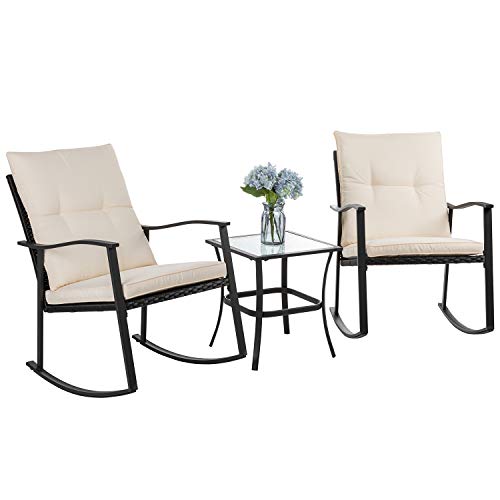
Outdoor Patio Rocking Chairs with Cushions: The Complete Guide
Rocking chairs bring a calm, unhurried rhythm to any patio. This guide explains how to choose the right frame, cushion, and motion type so your outdoor seating stays comfortable, supportive, and weather-ready season after season.
Explore the Comparison GuideWhy this matters: A rocking chair is one of the few patio pieces you use passively — you sit, you sway, you stay longer. That means small details like cushion thickness, rocker curve, and fabric drainage have a bigger effect on satisfaction than they do on a dining chair.
Why Patio Rocking Chairs Deserve a Place in Your Outdoor Plan
Rocking chairs occupy a distinct role in outdoor furniture. They are not the anchor of a dining arrangement, and they are not the wide, social seating of a conversation set. Instead, they serve the quiet end of patio life — morning coffee, evening reading, a shaded corner for conversation for two.
The gentle motion also helps people stay seated longer without feeling stiff. For older guests in particular, a well-shaped rocker with a supportive cushion can be easier to rise from than a deep lounge chair, provided the seat height and armrests are appropriate.
Paired with a compact outdoor side table, a rocking chair becomes a complete single-user station: a place for a mug, a book, and a phone. Two chairs facing each other, or angled toward the yard, create one of the most-used seating zones on a residential patio.
Choosing the Right Frame Material
Frame material determines how long the chair survives weather, how much it weighs, and how it feels under the cushion. The five common options each suit a different patio environment.
Powder-Coated Aluminum
The most practical choice for humid, rainy, or coastal climates. Aluminum does not rust, is light enough to move around a screened-in deck, and accepts a powder coating that resists chipping far better than paint. Mid-range and premium aluminum rockers typically use thicker wall tubing and reinforced joints, which reduces the slight flex some entry-level frames develop over time.
Powder-Coated Steel
Heavier and exceptionally stable in the rocking motion. Steel frames are common in glider-style chairs because the added mass keeps the track mechanism planted. Quality steel is treated and coated against corrosion, but it will need more attention in coastal air than aluminum.
Solid Wood
Teak, acacia, and eucalyptus are popular choices for a traditional look. Wood delivers a warm, natural feel and a rocker curve that is often more pronounced than metal designs. It requires periodic sealing or oiling, and it will develop a silver-grey patina over time unless protected. A wooden rocker pairs naturally with a rustic farmhouse dining arrangement elsewhere on the same patio.
Poly Lumber and Composite
Poly lumber is manufactured from recycled plastic and is engineered to look like painted wood. It does not rot, splinter, or need refinishing, and it holds its color well. It is heavier than aluminum, which some users prefer for stability. Composite decking-derived furniture shares many of the same benefits.
Resin Wicker and Rattan
A woven look over an aluminum or steel frame. High-grade resin wicker resists UV fading and moisture, while entry-level weaves may become brittle after several summers. Resin wicker rockers tend to be the widest option, since the weave adds visual bulk to the frame.
Environmental note: If your patio sits in salt air or receives long, humid summers, prioritize aluminum or poly lumber over untreated wood and low-grade steel. The frame is the one component you cannot replace later.
Cushion Construction and Fabrics
The cushion is where a rocking chair either becomes comfortable or stays a decorative object. Two things matter most: the foam core and the outer fabric.
Foam Density and Thickness
Seat cushions usually range from two to five inches in thickness. Thicker is not automatically better — the key is foam density. A high-density open-cell foam of three inches often outperforms a soft, thick foam that compresses flat within a season. Open-cell foam also drains and dries faster after rain.
Back cushions should offer mild support without pushing the sitter forward. In swivel and glider designs, a slightly firmer back cushion helps maintain posture as the seat moves.
Solution-Dyed Acrylic and Polyester
Solution-dyed acrylic is the standard for outdoor cushions: the color is set into the fiber, so it resists fading under UV exposure. Polyester is more economical and, when treated, resists water and stains reasonably well. Look for fabrics described as water-repellent or quick-drying, and check the outdoor furniture fabric guide for a full breakdown of fiber types.
Attachments and Fit
Cushions held by ties, elastic bands, or hook-and-loop straps stay in place as the chair rocks. A loose cushion will slide forward with every motion, which becomes irritating quickly. If your rocker has a contoured seat, confirm the cushion is cut for that shape rather than a generic rectangle.
When a cushion finally wears out, replacing it is often more sensible than replacing the chair. Our guide to outdoor furniture cushions covers measuring and replacement options, and if you need a standard seat pad, the replacement cushion selection notes explain how to match common seat dimensions.
Rocker, Glider, or Swivel: Matching the Motion to Your Space
Traditional Rocker
Curved runners contact the floor and produce the classic forward-and-back sway. Best on concrete, stone, and composite surfaces. On wood decks, choose a rocker with protective runner pads to avoid scuffing.
Glider
A track mechanism moves the seat without floor contact, so the chair never travels. Gliders are quieter and gentler on decking, and they are easier to enter and exit. Many rocker gliders combine both motions.
Swivel Rocker
Adds rotation to the rocking motion, letting the sitter turn toward a conversation or a view. Useful on a small screened-in porch where the chair may need to serve more than one direction.
Loveseat Rocker
A two-person version that shares a single frame. Good for a couple's seating zone, but it requires more clearance and generally uses larger cushions. See outdoor loveseat gliders for comparable sizing.
If you are choosing between a single rocker and a paired setup, note that swivel rocking chairs with cushions are often the most flexible option in a mixed seating arrangement, because guests can rotate toward the group without moving the chair.
Rocking Chair Tier Comparison
Outdoor rocking chairs can be grouped into three broad tiers based on construction quality, materials, and expected service life. Use this table to align your expectations with the tier you are considering.
| Tier | Typical Construction | Cushion Quality | Best For |
|---|---|---|---|
| Entry-level | Thinner aluminum or coated steel tube, simpler weld points, basic resin wicker | Two-inch foam, standard polyester fabric, tie attachments | Occasional use, covered porches, seasonal patios |
| Mid-range | Thicker powder-coated aluminum, reinforced joints, solid wood or poly lumber options | Three-inch high-density foam, solution-dyed acrylic, strap attachments | Year-round patios, family use, mixed sun and shade |
| Premium | Heavy-gauge frames, precision glider tracks, marine-grade hardware, hand-finished wood | Contoured open-cell foam, premium acrylic, tailored fit with drainage channels | Full-sun exposures, coastal settings, long-term daily use |
Mid-range models usually deliver the most balanced experience: the frame is rigid enough to feel stable in motion, and the cushion holds its shape through multiple seasons. Entry-level chairs are a reasonable first step for a shaded porch, while premium chairs make sense where the furniture faces direct sun and rain year-round.
Layout and Spacing Guidance
Rocking chairs need more clearance than static chairs because the motion extends the footprint forward and backward. A practical planning rule:
- Allow 30 to 36 inches of width per chair, measured at the armrests.
- Leave 24 inches in front and behind for the rocking arc and for safe entry and exit.
- Add 18 to 24 inches for a side table between two chairs.
- Keep at least 12 inches between the chair and a railing or wall to prevent knuckle contact.
On a narrow patio, angle the chairs inward rather than placing them parallel to the house. This creates a conversation pocket and reduces the total linear wall space required. A pair of chairs positioned near a patio umbrella can define a shaded reading zone without a full furniture set.
If your patio also handles dining, avoid placing rockers directly behind the dining chairs. The rocking arc can collide with pulled-out dining seats, especially on a small screened-in porch where circulation space is limited.
Care and Seasonal Maintenance
Rocking chairs are exposed to the same weather as the rest of your patio furniture, but the moving parts need slightly more attention.
Frame Care
- Rinse aluminum and steel frames monthly with mild soap and water to remove pollen and salt residue.
- Inspect welds and joints at the start of each season for hairline cracks or loose fasteners.
- Touch up any coating chips promptly — exposed metal is where corrosion begins.
- Oil wooden frames annually with a suitable outdoor wood oil before the wet season.
Cushion Care
- Shake and flip cushions after rain to speed drying and prevent mildew under the seams.
- Store cushions in a waterproof deck box during extended wet periods. A waterproof vertical storage cabinet keeps them accessible without hauling them indoors.
- Spot clean with a soft brush and mild detergent; avoid harsh bleach on solution-dyed acrylic.
- Bring cushions inside for winter storage in cold climates to prevent foam degradation.
Motion Components
- Wipe glider tracks clean and apply a silicone-based lubricant sparingly — never use oil-based lubricants that attract grit.
- Check runner pads on traditional rockers and replace them when they thin, to protect both the chair and the deck surface.
- Tighten bolts at the start of each season; motion naturally loosens hardware over time.
If rust appears on a steel frame, address it early. Our rust removal guidance explains how to treat and refinish small areas before they spread.
Buying Checklist
Before finalizing a choice, run through these points. Each one corresponds to a problem that is difficult or impossible to fix after purchase.
- Measure the rocker arc. Confirm the chair has room to move in its intended spot.
- Check seat height. A seat between 16 and 18 inches from the ground suits most adults comfortably.
- Test the armrests. They should support the forearms without forcing the shoulders up.
- Confirm cushion attachment. Ties or straps prevent sliding during motion.
- Verify fabric rating. Look for UV resistance and water repellency statements.
- Inspect the frame finish. Powder coating should be even, with no visible bare metal at joints.
- Consider storage. Decide where cushions will go during storms before the chair arrives.
- Plan for a pair. Two chairs with a shared side table is the most common and most useful configuration.
If you are still shaping the overall seating plan, the broader outdoor patio furniture overview shows how rocking chairs fit alongside lounges, sectionals, and dining sets.
Frequently Asked Questions
What frame material is best for outdoor patio rocking chairs with cushions?
Aluminum and powder-coated steel offer the best balance of durability and weather resistance. Solid wood and poly lumber are excellent choices for a natural look, while resin wicker over a metal frame provides a traditional woven appearance with good longevity.
How do I keep rocking chair cushions dry outdoors?
Choose solution-dyed acrylic or polyester cushions with quick-dry foam cores. Store cushions in a waterproof deck box during heavy rain, and tilt them upright after wet weather so water can drain away from the seams.
What is the difference between a rocker and a glider?
A rocker uses curved runners on the floor to create a forward-and-back motion, while a glider uses a mechanical track system that moves the seat smoothly without floor contact. Gliders tend to be gentler on deck surfaces and are easier to get in and out of.
How much space do I need for a pair of patio rocking chairs?
Plan for roughly 30 to 36 inches of width per chair plus 24 inches of clearance in front and behind for the rocking motion. A side table between two chairs typically adds 18 to 24 inches to the total footprint.