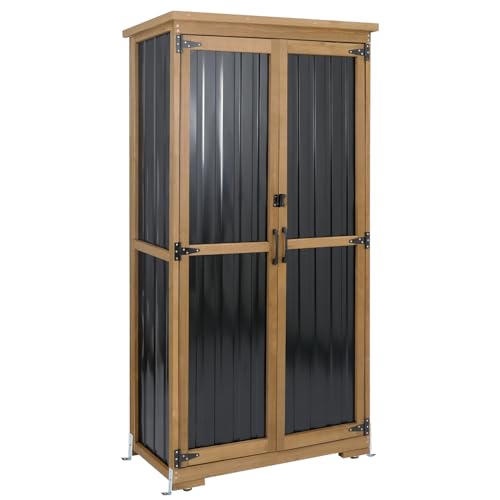
Outdoor Vertical Storage Cabinet Waterproof: The Complete Buying Guide
Keep cushions, tools, and garden essentials dry and organized with a tall, weatherproof cabinet. Learn which materials, seals, and features actually hold up to rain, humidity, and sun — before you choose the right model for your patio.
Explore Recommended OptionsWhy this guide matters: An outdoor vertical storage cabinet waterproof enough for year-round use is not just a box with a door. The difference between a cabinet that keeps contents dry and one that traps moisture lies in the material, the door seal, the base clearance, and the ventilation design. This guide walks through each factor so you can match a cabinet to your climate and storage needs with confidence.
What Is an Outdoor Vertical Storage Cabinet?
An outdoor vertical storage cabinet is a tall, narrow storage unit designed for patios, decks, porches, and gardens. Unlike low horizontal deck boxes, a vertical cabinet uses height to maximize storage in a small footprint. It typically features one or more doors, interior shelving, and a weather-resistant exterior. The "waterproof" label matters most: it signals that the cabinet is built to keep rain, splashes, and high humidity away from the items inside.
These cabinets are especially useful for storing items that degrade quickly when wet, such as patio cushions, grill covers, garden gloves, hand tools, pool accessories, and cleaning supplies. If your outdoor space is tight, a tall cabinet frees up floor area while keeping essentials within reach. For a broader look at weatherproof storage options, see our guide to outdoor metal storage cabinets waterproof and the related outside storage boxes category.
Who Should Consider a Waterproof Vertical Cabinet?
A vertical waterproof cabinet is a strong fit for several types of households:
- Small patio and balcony owners who need storage without giving up usable floor space.
- Cushion-heavy setups where seat and back cushions need a dry home between uses. Pair the cabinet with outdoor furniture cushions care practices and patio furniture with storage for cushions.
- Gardeners storing hand tools, potting supplies, and seasonal decor.
- Renters and apartment dwellers who want a movable, self-contained storage solution on a balcony or shared deck.
- Pool and spa owners who need a dry place for chemicals, towels, and accessories.
If you mainly store large, bulky items like full furniture sets, a horizontal deck box may be a better match. If you store many smaller items and want shelf organization, a vertical cabinet with interior shelves is usually the more practical choice. For a shelved alternative, compare the outdoor vertical storage cabinet with shelves.
Materials: Which Cabinet Actually Stays Waterproof?
The material determines how well a cabinet resists water over time, and how much maintenance it needs. Here is how the main options compare:
Resin and High-Grade Plastic
Resin cabinets are the most inherently water-resistant option. The material does not absorb water, does not rust, and does not rot. High-grade resin with UV inhibitors resists fading and cracking in strong sun. These cabinets are lightweight, easy to move, and need only occasional cleaning. The trade-off is that entry-level resin can feel less rigid, so look for reinforced panels and a solid frame if you plan to store heavier items.
Metal with Rust-Proof Finish
Metal cabinets, usually steel or aluminum, offer strength and security. Aluminum resists rust naturally, while steel needs a powder-coated or galvanized rust-proof finish to survive outdoor conditions. Metal cabinets handle heavy loads well and often include lockable doors. Inspect seams, hinges, and the base for coating coverage — those are the first places water finds a way in. Our waterproof metal storage cabinet guide covers finish quality in more detail.
Wood and Composite
Wood cabinets look warm and blend with natural patio designs, but solid wood requires regular sealing to stay waterproof. Composite and engineered wood options resist moisture better than untreated lumber, yet they still benefit from a protective topcoat. If you prefer a wood look, plan on seasonal sealant checks. The principles in our waterproof material guide for garden furniture apply directly to wood cabinets.
Market Tiers at a Glance
Essential Tier
Basic resin construction, simple latch, limited shelving. Suitable for light storage in sheltered spots and mild climates.
Balanced Tier
Reinforced panels, better door seals, adjustable shelves, and UV-stabilized finishes. A solid choice for most patios and four-season use.
High-End Tier
Heavy-duty frames, gasketed doors, lockable handles, and superior coating coverage. Built for exposed decks and heavier loads.
Flagship Tier
Commercial-grade construction with premium seals, robust shelving systems, and design-forward finishes for high-end outdoor spaces.
Key Features That Separate Dry Cabinets from Damp Ones
Not every cabinet labeled "waterproof" performs the same in real weather. These features matter most:
- Door seals and gaskets: A continuous rubber or foam gasket around the door frame blocks wind-driven rain. Mid-range and premium models usually include this; entry-level cabinets often rely on a simple overlap.
- Raised base: Legs or a recessed plinth lift the cabinet off wet ground and allow air to circulate underneath. This single feature prevents the most common moisture problem.
- Sloped or overhanging top: A roof that sheds water away from the door seam keeps drips from running into the opening.
- Ventilation: Small vents with baffles allow humid air to escape without letting rain in. Sealed cabinets can trap condensation, so controlled airflow is a plus in humid climates.
- Adjustable shelving: Shelves let you separate damp-prone items from dry ones and organize tools vertically. See the shelved vertical cabinet option for this layout.
- Lockable handles: Security matters if you store tools or chemicals. A lock also tightens the door against the seal.
- UV-stabilized finish: Sun exposure breaks down weak plastics and fades coatings. UV inhibitors extend the cabinet's service life.
Choosing the Right Size and Placement
Measure twice before ordering. A vertical cabinet is tall, so height clearance and door swing space matter as much as footprint.
- Footprint: Typical vertical cabinets run narrow, often under two feet deep, which suits tight patios and balcony corners.
- Height: Confirm the cabinet fits under eaves, railings, or overhangs, and that you can open the door fully.
- Interior depth: Check that stacked cushions or long-handled tools fit inside with the door closed.
- Placement: Set the cabinet on level ground, away from downspout runoff and sprinkler spray. Anchor tall units to a wall or deck to prevent tipping in wind.
- Access: Keep the cabinet near the items it stores — cushions near seating, tools near the garden bed.
If you are still mapping out your outdoor layout, our outdoor setting guide and screened-in deck ideas can help you plan storage alongside seating and shade.
Material Comparison for Waterproof Performance
| Material | Water Resistance | Maintenance | Best For |
|---|---|---|---|
| Resin / High-Grade Plastic | Excellent — does not absorb water or rust | Minimal — occasional cleaning | Humid climates, cushion storage, easy relocation |
| Aluminum | Excellent — naturally rust-resistant | Low — wipe down and inspect seams | Lightweight strength, coastal areas |
| Powder-Coated Steel | Very good — depends on coating coverage | Moderate — check for chips and scratches | Security, heavy tools, lockable storage |
| Composite / Engineered Wood | Good — resists moisture better than solid wood | Moderate — periodic topcoat | Natural look with improved weather resistance |
| Solid Wood | Fair — requires sealing | High — seasonal sealant checks | Sheltered porches, design-focused spaces |
Pre-Purchase Checklist
- Confirm the door has a continuous gasket, not just an overlap.
- Check that the base is raised at least a couple of inches off the ground.
- Verify the top overhangs the door to shed rain.
- Look for UV-stabilized material or coating.
- Measure interior height and depth against your tallest items.
- Confirm the cabinet can be anchored to a wall or deck.
- Check shelf adjustability if you plan to store mixed items.
- Read reviews for real-world water intrusion reports in your climate.
- Confirm the lock and handle hardware are corrosion-resistant.
- Plan drainage around the placement spot so water never pools.
Installation and Long-Term Care
Proper setup extends the life of any waterproof cabinet. Place the unit on a level, well-drained surface such as a concrete pad, deck boards with gaps, or gravel. Avoid spots where roof runoff or gutter downspouts discharge. Anchor tall cabinets to a wall stud or deck railing using the manufacturer's hardware.
Seasonal maintenance is straightforward:
- Clean the exterior with mild soap and water; avoid abrasive pads on coated metal.
- Inspect door seals and hinges each season; replace worn gaskets.
- Clear leaves and debris from the base so moisture cannot wick upward.
- Reapply sealant to wood and composite models as recommended.
- Leave a small gap or open vents during dry spells to release trapped humidity.
- Touch up scratches on metal coatings promptly to prevent corrosion.
For related upkeep advice, see our rust removal tips and the broader outdoor patio furniture care resources.
Frequently Asked Questions
What does a waterproof outdoor vertical storage cabinet protect against?
It protects cushions, tools, and garden supplies from rain, humidity, UV exposure, and dust. A proper door seal and a raised base are the key features that keep contents dry.
Which material is best for a waterproof vertical outdoor cabinet?
Resin and high-grade plastic cabinets are the most water-resistant and need minimal upkeep. Metal cabinets with rust-proof finishes are sturdy and secure, while wood cabinets need regular sealing to stay waterproof.
How much weight can a vertical outdoor storage cabinet hold?
Capacity varies by tier. Entry-level resin cabinets typically support lighter loads, while mid-range and premium models with reinforced frames and metal shelving handle heavier garden tools and stacked cushions.
Do I need to anchor a tall outdoor storage cabinet?
Yes. Vertical cabinets have a tall profile and can tip in strong wind. Anchor the unit to a wall, deck, or concrete pad, and place it on level ground away from direct downspout runoff.
How do I maintain a waterproof outdoor vertical cabinet?
Clean the exterior seasonally, inspect door seals and hinges, clear debris from the base, and reapply sealant on wood models. Check drainage around the cabinet so water never pools at the bottom.
Ready to compare models? Browse the recommended waterproof vertical cabinets below, filtered for outdoor durability and real-world weather performance. You can also explore patio furniture with cushion storage if you prefer an integrated storage solution.
View Recommended Products