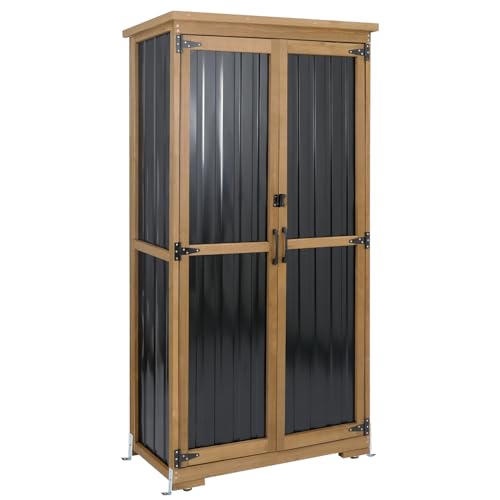
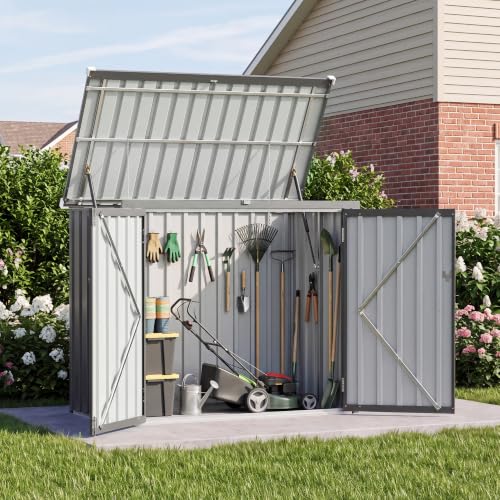
Waterproof Outdoor Metal Storage Cabinets: The Complete Buying Guide
Keep cushions, tools, pool gear, and grilling supplies dry and secure. Learn how to compare waterproof metal storage cabinets by material, sealing, size, and locking system before you commit.
Why this guide matters: A storage cabinet is one of the most practical purchases for any patio or backyard. It protects your outdoor investments from rain, humidity, and pests — but only if it is genuinely built for the elements. This guide walks you through the features that separate a reliable waterproof metal cabinet from one that will rust within a season, so you can choose with confidence.
Why Choose a Metal Outdoor Storage Cabinet?
Outdoor storage comes in resin, wood, and metal. Metal cabinets stand out for their structural rigidity, security, and clean appearance. A well-made steel or aluminum cabinet resists warping, holds heavy loads on multiple shelves, and can be fitted with a locking mechanism that deters theft — a key advantage over soft-sided or lightweight resin boxes.
Metal also handles temperature swings better than many plastics, which can become brittle in cold weather. When paired with a rust-proof finish and sealed doors, metal storage becomes a long-term investment for organizing your outdoor space. If you are still organizing the rest of your patio, our broader guide to outdoor patio furniture covers how storage fits into a complete layout.
What "Waterproof" Really Means for Metal Cabinets
The term waterproof is used loosely in outdoor furniture marketing. Before buying, understand the difference between weather-resistant and waterproof construction:
- Weather-resistant: The finish and materials tolerate rain and sun, but seams and door edges may allow water intrusion during heavy storms.
- Waterproof: The cabinet uses gasketed doors, sealed seams, and a raised base so that water cannot enter the interior even in sustained rain.
- Water-tight: The strictest category, typically involving continuous seals and drainage channels — important if you store electronics, dry goods, or fabric cushions.
For most households, a cabinet with gasketed doors, a sloped or overlapping lid, and a powder-coated finish offers dependable protection. If you store moisture-sensitive items, look specifically for models that advertise sealed seams and a drainage system. The same weatherproofing principles apply to fabric and cushions, which is why our guide on waterproof material for garden furniture is a useful companion read.
Metal Materials Compared
The metal you choose determines how long the cabinet survives outdoor conditions. Here is how the common options compare:
| Material | Rust Resistance | Weight & Durability | Best For |
|---|---|---|---|
| Galvanized steel | High — zinc coating protects against corrosion | Heavy-duty, very rigid | Long-term outdoor storage of heavy tools and equipment |
| Powder-coated aluminum | Very high — aluminum does not rust | Lightweight, easy to reposition | Patios and balconies where portability matters |
| Stainless steel | Excellent — premium corrosion resistance | Heavy, premium feel | Coastal areas with salt air and high humidity |
| Mild steel with coating | Moderate — depends entirely on finish integrity | Solid but prone to rust if scratched | Sheltered porches with limited direct rain exposure |
Galvanized steel and powder-coated aluminum are the two most reliable choices for exposed outdoor use. Stainless steel is the top-tier option for coastal environments. Avoid untreated mild steel entirely unless the cabinet sits under a covered porch.
Key Features to Look For
Sealing and Gaskets
Gasketed doors are the single most important waterproofing feature. Look for rubber or silicone gaskets around the door frame and a door that closes flush against the cabinet body. A magnetic or compression latch helps maintain a tight seal over time.
Raised Base and Drainage
A cabinet that sits directly on the ground will draw moisture through its base. Models with adjustable feet or a raised plinth keep the bottom clear of standing water. Some cabinets include drainage channels or weep holes to release condensation.
Locking System
For tools, grills, and pool chemicals, a locking cabinet is essential. Keyed handles and padlock-compatible hasps are the most common options. Reinforced latch points deter forced entry better than a simple turn-latch.
Ventilation
Fully sealed cabinets protect dry items but trap humidity. If you store damp pool gear or garden tools, choose a model with ventilation louvers to prevent condensation buildup and rust inside the cabinet.
Shelving and Interior Layout
Adjustable shelves let you fit tall items like leaf blowers or folded umbrellas. Check the weight rating per shelf — heavy-duty steel cabinets typically support more per shelf than aluminum models. Vertical cabinets work well for narrow spaces, while wider units suit bulkier equipment.
If your storage needs extend beyond tools, consider how the cabinet pairs with other outdoor pieces. A compact design can sit alongside an outdoor side table or near an outdoor vertical storage cabinet with shelves to create a functional service area.
Sizing and Placement
Measure your available space before shopping, including door swing clearance. A cabinet that is too deep will block walkways, while a shallow unit may not fit your largest items. Common configurations include:
- Vertical cabinets: Tall and narrow, ideal for brooms, tools, and stacked bins.
- Horizontal benches: Wide and low, doubling as a seat or prep surface.
- Corner units: Efficient for patios where floor space is limited.
Placement matters as much as size. Set the cabinet on a level concrete pad or deck, ideally under a roof overhang or near a shaded wall. Avoid spots directly under roof runoff or sprinkler heads. Elevating the cabinet slightly improves airflow and extends its service life. If your patio is compact, our guide to outdoor furniture for a small screened-in porch offers layout ideas that work with storage cabinets.
Installation and Long-Term Care
Most metal cabinets ship partially assembled and require only basic tools. Follow these steps for a durable setup:
- Level the ground or use adjustable feet to prevent wobble.
- Seal any exposed screws or drilled holes with silicone sealant.
- Apply a rust-preventive touch-up paint to scratches as soon as they appear.
- Clean the cabinet twice a year with mild soap and water, then dry the surface completely.
- Inspect gaskets annually and replace them if they become brittle or compressed.
Routine care adds years to the cabinet's life. For broader maintenance advice, see our guide on rust removal, which covers treatment techniques for metal outdoor furniture and storage.
How to Compare Waterproof Metal Cabinets
Use this framework to evaluate models side by side:
| Tier | Typical Construction | Best For |
|---|---|---|
| Entry-level | Thin-gauge steel, basic coating, simple latch | Covered porches with light storage needs |
| Mid-range | Galvanized or powder-coated steel, gasketed doors, adjustable shelves | Exposed patios storing cushions, tools, and grilling gear |
| Premium | Stainless steel or heavy-gauge aluminum, sealed seams, reinforced locking | Coastal homes, high-value equipment, year-round exposure |
Match the tier to your exposure level and the value of what you store. A mid-range cabinet with proper sealing handles most residential patios well; premium tiers make sense when salt air or constant rain is a factor.
Fitting Storage Into Your Outdoor Layout
A storage cabinet works best as part of a cohesive patio plan. Position it near the dining or grilling zone to hold serving items, or close to the seating area for cushion storage. If you are outfitting a dining space, pairing the cabinet with an outdoor dining set with umbrella hole keeps table linens and accessories within reach. For lounging areas, cabinets pair naturally with outdoor lounge furniture and outdoor ottomans that offer additional concealed storage.
Consider the flow of your space: place the cabinet along a wall or fence line to keep walkways clear, and choose a color that blends with your existing furniture. Neutral charcoal, bronze, and matte black finishes integrate easily with most outdoor palettes.
Ready to Compare Waterproof Metal Cabinets?
Browse our curated selection of outdoor metal storage cabinets built for rain, humidity, and daily use. Compare features, sealing systems, and sizes to find the right fit for your patio.
Frequently Asked Questions
Are metal storage cabinets truly waterproof?
Truly waterproof metal cabinets use sealed seams, gasketed doors, and rust-proof finishes. Many products labeled waterproof are actually weather-resistant, so check for explicit sealing and gasket details before trusting a cabinet with moisture-sensitive items.
What is the best metal for outdoor storage cabinets?
Galvanized steel and powder-coated aluminum are the most reliable choices for outdoor use. Galvanized steel resists rust well, while aluminum is naturally corrosion-resistant and lighter to move. Avoid untreated mild steel outdoors.
Where should I place a waterproof outdoor metal cabinet?
Place the cabinet on a level, raised surface such as a concrete pad or deck, away from sprinklers and direct roof runoff. Elevating the base and ensuring drainage around the cabinet extends its lifespan significantly.
Do waterproof metal cabinets need ventilation?
If you store damp items like pool gear or garden tools, a model with ventilation louvers or a vented design prevents trapped humidity that can cause condensation and rust. Fully sealed models are better for dry goods and electronics.