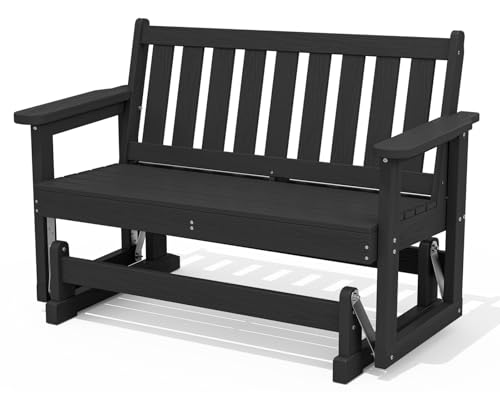
What Is an Outdoor Rocker Glider?
An outdoor rocker glider is a patio or porch seat that combines two motion systems. The "rocker" component uses curved rails or an arced base to create a back-and-forth rocking motion, while the "glider" component uses a horizontal track or scissor mechanism to produce a smooth, linear glide. Some models let you switch between the two motions, while others blend them into a single continuous movement.
Compared with a standard outdoor rocker, a rocker glider typically offers a gentler, more controlled ride. The gliding mechanism reduces the tipping sensation that some people feel on deep-rocker designs, making it a comfortable choice for older adults and anyone who prefers a stable seat. If you enjoy the motion of a traditional rocker but want something smoother, a glider is the natural next step.
Rocker Glider vs. Standard Glider vs. Rocking Chair
Understanding the differences between these three seating types helps you match the motion to your preferences and the layout of your outdoor space.
| Seating Type | Motion | Best For | Stability Feel |
|---|---|---|---|
| Outdoor Rocker Glider | Combined rocking and gliding | Porches, patios, screened-in decks | Very stable, controlled |
| Standard Glider | Horizontal linear glide | Small patios, conversation areas | Most stable, minimal tipping |
| Rocking Chair | Back-and-forth arc motion | Classic porches, rustic settings | Moderate, depends on arc depth |
If you are comparing motion types across a broader seating arrangement, our guide to outdoor swivel rocking chairs with cushions covers another popular option that adds rotation to the mix. For a two-seat configuration, an outdoor loveseat glider delivers the same dual motion with room for a companion.
Key Features to Evaluate Before You Buy
Focus on these five areas when comparing outdoor rocker gliders. Each one affects comfort, durability, and how well the seat fits your space.
Frame Material
Powder-coated steel and aluminum resist rust and stand up to weather. Treated wood and poly lumber offer a natural look with solid durability. Composite and resin frames balance weather resistance with a classic profile.
Motion Mechanism
Look for sealed bearings and reinforced tracks. Mid-range and premium gliders typically offer smoother, quieter motion than entry-level models. Some designs include a locking mechanism to hold the seat steady.
Cushions & Fabric
Solution-dyed acrylic and outdoor-rated polyester resist fading and moisture. Removable, washable covers extend cushion life. Check whether cushions are included or sold separately.
Weight Capacity
Entry-level gliders often support around 250 pounds per seat, while mid-range and premium models commonly reach 300 to 350 pounds per seat. Heavy-duty and commercial-grade models support more.
Footprint & Clearance
Gliders need clearance behind and in front for the motion arc. Measure your porch or patio depth before choosing a model, especially if you are placing it near a wall or railing.
Assembly & Portability
Most gliders require some assembly. Premium models often arrive partially pre-assembled. If you plan to move the glider seasonally, consider weight and whether the frame breaks down.
Frame Materials Compared
The frame determines how well your glider handles sun, rain, and temperature swings. Here is how the most common materials compare.
| Material | Weather Resistance | Weight | Maintenance Level |
|---|---|---|---|
| Powder-Coated Steel | High; rust-resistant coating | Heavy | Low |
| Aluminum | Very high; naturally rust-proof | Light | Very low |
| Treated Wood | Moderate; needs sealing | Moderate to heavy | Moderate |
| Poly Lumber | Very high; moisture and insect resistant | Moderate | Very low |
| Resin / Composite | High; UV-stabilized options available | Light to moderate | Low |
If you are matching your glider to other furniture, our guides to poly furniture and poly gliders explain how poly lumber performs in outdoor settings. For wood care and sealing tips, see the broader outdoor waterproof material for garden furniture overview.
How to Choose the Right Size and Placement
An outdoor rocker glider needs room to move. As a rule of thumb, allow at least 12 to 18 inches of clearance behind the glider and 18 to 24 inches in front so the motion arc does not contact walls, railings, or nearby furniture.
- Single-seat gliders work well on narrow porches and balconies where floor space is limited.
- Loveseat and bench gliders suit wider porches and patios and pair naturally with a outdoor side table for drinks and reading material.
- Screened-in porches benefit from gliders that stay within the screen line; check the depth of your screened-in deck before selecting a bench model.
- Small patios may be better served by a compact glider paired with outdoor furniture for a small screened-in porch.
Placement matters as much as size. Keep the glider away from direct paths to doors and grills, and position it so the motion faces a view rather than a wall. If your patio receives strong afternoon sun, pair the glider with shade from an outdoor shade solution or a patio umbrella.
Cushions, Fabric, and Comfort
Cushions transform a glider from a hard seat into a comfortable lounging spot. When comparing models, check whether cushions are included, how thick they are, and whether the covers are removable and washable.
- Fabric: Solution-dyed acrylic and outdoor polyester resist fading and mildew. Our guide to outdoor furniture fabric explains the differences between common outdoor textiles.
- Foam: Quick-dry foam resists water retention and dries faster after rain. Higher-density foam holds its shape longer.
- Replacement cushions: If your glider frame is in good condition but the cushions are worn, outdoor furniture cushions and patio furniture seat cushions let you refresh the seat without replacing the frame.
- Storage: When the glider is not in use, store cushions in a waterproof container such as an outdoor metal storage cabinet or outside storage box.
Motion Mechanism: What Separates Tiers
The gliding mechanism is where product tiers diverge most noticeably. Entry-level gliders use simple metal-on-metal tracks that can develop squeaks over time. Mid-range models add nylon bushings or sealed bearings for smoother, quieter motion. Premium and luxury gliders use reinforced tracks, precision bearings, and sometimes a dual-motion system that lets you switch between rocking and gliding.
- Entry-level tier: Basic track system, adequate for occasional use, may require periodic lubrication.
- Mid-range tier: Smoother motion with bushings or bearings, better alignment, quieter operation.
- Premium tier: Sealed bearings, reinforced tracks, dual-motion options, tighter tolerances.
- Luxury tier: Flagship mechanisms with the smoothest glide, longest warranty coverage, and the most refined motion control.
Our guide to outdoor rocker gliders covers additional mechanism details, including how to maintain the track and when to lubricate moving parts.
Maintenance and Weather Protection
An outdoor rocker glider will last longer with routine care. Follow these practices to protect the frame, cushions, and mechanism.
- Clean the frame with mild soap and water; avoid abrasive cleaners that can damage powder coating.
- Inspect the glider track seasonally and remove debris that can interfere with smooth motion.
- Store cushions indoors or in a waterproof container during heavy rain and off-season months.
- Apply a furniture cover during extended periods of non-use to protect against dust and pollen.
- For metal frames showing early signs of oxidation, follow a rust removal routine before the damage spreads.
If you are preparing your entire patio for a new season, our weatherproofing guide covers broader protection strategies for frames, fabrics, and hardware.
Product Tiers at a Glance
Use this tier comparison to match a glider to your expected usage and durability needs. Descriptors reflect relative market position, not absolute figures.
| Tier | Typical Frame | Motion Quality | Best For |
|---|---|---|---|
| Entry-Level | Steel or resin | Basic glide, occasional use | Seasonal porches, starter setups |
| Mid-Range | Powder-coated steel or aluminum | Smoother glide with bushings | Daily use, family patios |
| Premium | Aluminum or poly lumber | Sealed bearings, dual motion | Frequent use, exposed locations |
| Luxury | High-grade aluminum or composite | Flagship mechanism, refined control | Year-round use, design-forward spaces |
Frequently Asked Questions
What is the difference between a rocker and a glider?
A rocker moves back and forth on curved runners or arcs, while a glider moves on a horizontal track with a smooth, linear motion. Gliders generally offer a more controlled and gentle motion, while rockers provide a deeper, more pronounced rocking feel.
Are outdoor rocker gliders weather-resistant?
Most outdoor rocker gliders are built with weather-resistant materials such as powder-coated steel, aluminum, or treated wood. Cushions should use solution-dyed acrylic or polyester fabrics rated for outdoor use. Always check the manufacturer's weather-resistance specifications.
How much weight can an outdoor glider hold?
Weight capacities vary by model. Entry-level gliders typically support around 250 pounds per seat, while mid-range and premium models often support 300 to 350 pounds per seat. Heavy-duty and commercial-grade gliders may support even more. Always verify the stated capacity for your specific model.
Do I need to assemble an outdoor rocker glider?
Most outdoor rocker gliders require some assembly. Entry-level models may need more assembly time, while premium models often come partially pre-assembled. Assembly typically involves attaching the back, seat, arms, and base. Most manufacturers include tools and instructions.
Can I use a rocker glider on a balcony?
Yes, provided the balcony has enough depth for the motion arc and the railing height meets local safety requirements. Compact single-seat gliders work best on balconies. Measure your space and allow at least 12 to 18 inches behind the glider before finalizing placement.
How do I stop my glider from squeaking?
Inspect the track and moving parts for debris, then apply a silicone-based lubricant to the mechanism. Avoid oil-based lubricants that can attract dust. If the squeak persists, check that all fasteners are tight and that the frame is level.
Ready to Choose Your Outdoor Rocker Glider?
Use the feature checklist and tier comparison above to narrow your options, then explore recommended models below. Each selection is organized by category and tier so you can compare features and find the right fit for your patio.
VIEW RECOMMENDED GLIDERS