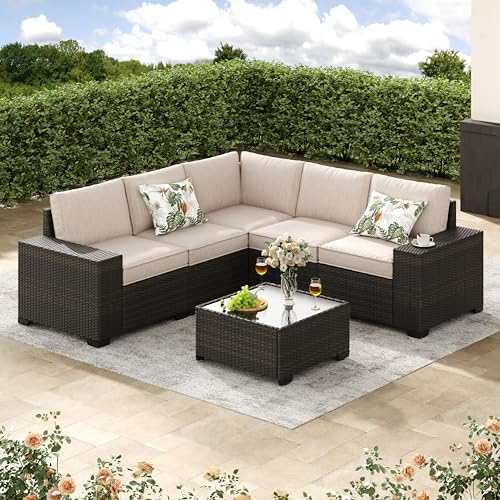
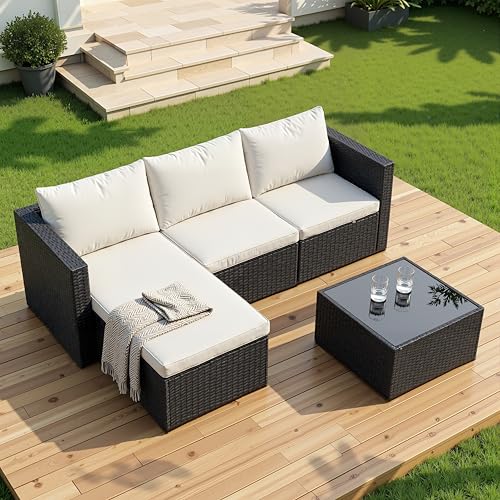
Patio Sectional Buying Guide: Find Your Perfect Outdoor Seating
A patio sectional is the centerpiece of any well-designed outdoor living space. This guide breaks down everything you need to know about frames, cushions, layouts, and features so you can choose with confidence.
START WITH FRAMESWhy a patio sectional deserves careful consideration: Unlike individual chairs, a sectional anchors your entire outdoor room. It defines conversation zones, provides generous seating for gatherings, and often becomes the most-used piece of furniture on your property. Getting the frame material, cushion quality, and configuration right from the start saves you from costly replacements and layout regrets down the road.
Whether you have a sprawling deck or a compact balcony, there is a sectional configuration that fits. The key is understanding how each component affects durability, comfort, and long-term satisfaction.
Frame Materials: The Foundation of Durability
The frame determines how long your patio sectional lasts, how much maintenance it requires, and how easily you can move it. Here is a straightforward comparison of the most common materials you will encounter.
| Material | Durability | Weather Resistance | Maintenance | Best For |
|---|---|---|---|---|
| Powder-Coated Aluminum | High — rust-proof, lightweight, does not warp | Excellent — handles rain, humidity, and salt air | Minimal — wipe clean occasionally | Most climates, coastal areas, low-maintenance households |
| Steel (Powder-Coated) | High — very strong and stable | Good — requires intact coating to prevent rust | Moderate — inspect for chips and touch up | Windy locations, households wanting a heavier feel |
| Wicker / Rattan over Aluminum | Good to High — depends on weave quality | Good — synthetic wicker resists moisture and UV | Low — rinse and occasionally tighten weave | Traditional and coastal aesthetics, covered patios |
| Teak Wood | Very High — naturally dense and rot-resistant | Excellent — ages to a silver patina if untreated | Moderate — oil annually to retain finish | Premium outdoor spaces, natural aesthetic preferences |
| Resin / Plastic | Moderate — can become brittle over years of UV exposure | Good — inherently waterproof but may fade | Minimal — soap and water | Starter outdoor setups, seasonal use, casual spaces |
Editorial note on aluminum: Powder-coated aluminum consistently stands out as the most practical frame material for most households. It combines the strength needed for a large sectional with the weight advantage that makes rearrangement feasible. The powder coating, when intact, provides a sealed barrier against moisture. For those in coastal regions where salt air accelerates corrosion, aluminum is especially recommended. If you are considering a larger seating arrangement, explore our broader guide to patio furniture for complementary pieces.
Aluminum Frame Advantages
- Will not rust even in wet conditions
- Lightweight enough for one person to reposition sections
- Does not absorb moisture or warp
- Available in a wide range of powder-coat colors
Aluminum Frame Limitations
- Can feel lighter than steel or wood
- Dents under heavy impact
- Powder coating can chip if dragged across rough surfaces
- Lower-end aluminum may have thinner wall thickness
Cushions: Where Comfort Meets Longevity
Cushions are the most frequently replaced component of any patio sectional. Choosing the right fabric and foam from the start extends the life of your seating and keeps it looking fresh season after season.
Fabric Types
Solution-dyed acrylic is the benchmark for outdoor cushion fabric. The color is infused into the fiber rather than applied as a surface dye, which means it resists fading from UV exposure far better than printed fabrics. It also repels water and resists mildew growth. Brands like Sunbrella have built their reputation on this technology, and it is worth seeking out.
Olefin is a close second. It is lightweight, quick-drying, and resistant to stains and mildew. Olefin is often found in mid-range sectionals and performs well in most climates.
Polyester is common in entry-level outdoor furniture. While it can be treated for water resistance, it tends to fade faster and may not hold up as long under intense sun. If you choose polyester cushions, plan to store them when not in use or invest in a protective cover.
Foam and Fill
Quick-dry foam is essential for outdoor cushions. Traditional upholstery foam absorbs water and can take days to dry, leading to mildew and odor. Quick-dry foam has an open-cell structure that allows water to drain rapidly. Some premium sectionals use a wrapped foam core with a softer outer layer for a more residential feel without sacrificing drainage.
Cushion thickness matters for comfort, but thicker is not always better for outdoor use. Very thick cushions can trap moisture and take longer to dry. A medium-thickness cushion with high-density foam often provides a better balance of comfort and practicality. If you need replacement cushions or want to upgrade, explore options for patio furniture seat cushions and dedicated patio cushion storage solutions.
Cushion Attachment
Wind is the enemy of loose cushions. Look for cushions with ties, straps, or non-slip backing. Some high-end sectionals feature cushions with zippered covers that are machine-washable — a significant convenience that extends the usable life of the fabric.
Layouts and Configurations: Matching Your Space
A patio sectional is not a one-size-fits-all purchase. The shape of your outdoor area, how you plan to use it, and how many people you typically host all influence the ideal configuration. Here are the most common layouts and their best use cases.
L-Shaped Sectional
The most popular configuration. An L-shape wraps around a corner, creating a natural conversation area while fitting neatly against two walls or railings. It typically seats four to six people depending on size.
Best for: square and rectangular patiosU-Shaped Sectional
A U-shaped arrangement encloses the seating area on three sides, creating a cozy, intimate atmosphere. It requires more floor space but excels for regular entertaining and family gatherings.
Best for: large decks and open patiosStraight / Linear Sectional
A straight sectional runs along a single wall or railing. It is the most space-efficient option and works well on narrow balconies or long, narrow patios. Pair with a patio lounge chair or two to complete the seating group.
Best for: balconies and narrow spacesModular Sectional
Individual pieces connect to form different configurations. You can rearrange modules to create an L-shape, a straight line, or even separate seating groups. Ideal for those who like to change layouts or move frequently.
Best for: flexibility and changing spacesWhen planning your layout, leave at least 30 to 36 inches of clearance around the sectional for comfortable walking. If you plan to pair the sectional with a fire pit or coffee table, account for that central space. For smaller spaces, a patio set or a patio loveseat may be a more proportionate choice.
Consider the traffic flow from your home's exit point to the sectional. You do not want to walk through the seating area every time you step outside. Also think about sun exposure — a sectional that sits in full afternoon sun will need more frequent cushion care than one positioned under a pergola or patio covering.
Quality Tiers: Understanding What You Are Getting
Patio sectionals span a wide range of construction quality. Rather than focusing on numbers, it helps to understand how products are positioned in the market. The following tier system describes relative quality and feature sets without reference to specific figures.
| Tier | Frame | Cushions | Expected Lifespan | Best For |
|---|---|---|---|---|
| Entry-Level | Thinner aluminum or steel, basic powder coating, welded joints | Polyester fabric, standard foam, may not be quick-dry | Three to five seasons with care | First outdoor setup, seasonal use, covered patios |
| Mid-Range | Powder-coated aluminum with reinforced joints, welded frame | Olefin or solution-dyed acrylic, quick-dry foam, removable covers | Five to eight seasons | Year-round use, family patios, regular entertaining |
| High-End | Heavy-gauge aluminum or steel, fully welded frame, premium coating | Solution-dyed acrylic, high-density quick-dry foam, zip covers | Eight to twelve seasons | Daily use, harsh climates, design-conscious households |
| Luxury | Marine-grade aluminum or teak, hand-finished details | Premium acrylic, custom foam densities, replaceable covers | Twelve-plus seasons with maintenance | Statement outdoor rooms, coastal estates, long-term investment |
The jump from entry-level to mid-range is the most meaningful for most buyers. Mid-range models typically offer the durability and fabric quality that make year-round outdoor use practical. Moving from mid-range to high-end brings incremental improvements in frame rigidity, cushion longevity, and finish quality. Luxury tier sectionals are investments in design and material excellence for those who view their outdoor space as an extension of their interior.
Features That Matter
Beyond the basic frame and cushion, several features can significantly affect your satisfaction with a patio sectional. Here are the ones worth considering.
- Weather-resistant coating: A properly applied powder coat protects the frame from moisture and UV damage. Check that the coating covers joints and welds, not just the visible surfaces.
- Quick-dry cushions with removable covers: The ability to unzip and wash cushion covers is a practical advantage that extends fabric life.
- Modular connectors: If you choose a modular sectional, ensure the connecting hardware is sturdy and does not loosen over time. Metal-to-metal connectors are more durable than plastic clips.
- Adjustable leveling feet: Patio surfaces are rarely perfectly flat. Leveling feet keep the sectional stable and prevent wobbling.
- Built-in storage: Some sectionals include under-seat storage compartments for cushions or small items. Explore options for patio furniture with built-in storage for cushions if this feature appeals to you.
- Fade-resistant finish: Powder coatings and solution-dyed fabrics resist fading, but not all are equal. Look for explicit UV resistance claims from reputable brands.
- Weight capacity and frame thickness: Heavier frames with thicker walls provide more stability, especially for larger sectionals. This is not always specified, but higher-tier products tend to be more forthcoming with construction details.
If you are considering combining your sectional with a dining element, note that some configurations integrate a patio furniture sectional with dining table. This hybrid approach works well for open-plan outdoor spaces where cooking, dining, and lounging happen in the same area.
Pre-Purchase Checklist
Before You Commit to a Sectional
- Measure your space twice. Account for walkways, door swing clearance, and any fixed elements like railings or planters. Use painter's tape to mark the footprint on your patio.
- Confirm cushion storage. Will you bring cushions inside daily, or do you have a deck box or storage bench? Plan for this before the sectional arrives.
- Check the return policy. Large furniture returns are logistically challenging. Verify the return window and any restocking terms before ordering.
- Review assembly requirements. Some sectionals ship fully assembled; others require significant assembly. Check whether tools are included and how much time assembly typically takes.
- Evaluate your climate. If you experience harsh winters, verify whether the sectional can remain outside year-round or needs seasonal storage.
- Plan your accessories. A sectional pairs well with a patio end table, outdoor rug, and lighting. Budget for these supporting pieces as part of your overall outdoor room design.
- Look for coordinated covers. If you plan to cover your sectional during off-season, check whether the manufacturer offers a fitted patio furniture cover designed specifically for the model.
- Consider the sun path. Observe where the sun hits your patio throughout the day. A sectional that sits in full sun will need more frequent cushion care. A patio umbrella or shade structure can mitigate this.
Frequently Asked Questions
What is the best material for a patio sectional?
Powder-coated aluminum is widely regarded as the most practical frame material for outdoor sectionals. It resists rust, handles humidity and salt air well, and remains light enough to reposition. Wicker and rattan over an aluminum frame offer a more traditional aesthetic with good weather resistance. Teak is a premium choice that ages gracefully but requires periodic oiling to maintain its appearance.
How do I choose the right size patio sectional?
Measure your outdoor area and subtract at least 30 to 36 inches on all sides for walkways and traffic flow. A typical three-piece sectional seats four to five people. Larger L-shaped or U-shaped configurations seat six or more. If your space is tight, consider a straight or modular sectional that can be configured to fit. For compact spaces, a patio set or patio furniture set with two chairs and a table may be more proportionate.
Can a patio sectional stay outside in winter?
Many modern sectionals with aluminum frames and solution-dyed acrylic cushions are designed for year-round outdoor use. However, covering the sectional during harsh winter months extends its life and keeps it clean. If your sectional includes natural wood or wicker elements, moving it to a sheltered area or storing it indoors is recommended. Quick-dry foam cushions should be stored indoors or in a dry deck box during prolonged wet periods.
What should I look for in patio sectional cushions?
Prioritize solution-dyed acrylic or olefin fabrics, which resist fading and moisture. Quick-dry foam cores prevent water from pooling and accelerating mildew growth. Removable, machine-washable covers are a significant convenience. Ensure cushions have ties, straps, or non-slip backing to keep them in place during windy conditions. If you need replacements, look for patio furniture seat cushions with these specifications.
Is a modular or fixed patio sectional better?
Modular sectionals offer flexibility to rearrange seating and adapt to different occasions or spaces. They are easier to move and can be stored in sections during winter. Fixed sectionals provide a more solid, unified look and often feel sturdier. The right choice depends on your priorities: flexibility and adaptability favor modular; a permanent, furniture-like feel favors fixed. For those who like to change layouts or live in spaces with irregular shapes, modular is usually the more practical choice.
Ready to Compare Patio Sectionals?
Now that you understand the materials, layouts, and features that define a quality patio sectional, you are equipped to evaluate specific models with confidence. Browse our curated selection below to find the right fit for your outdoor space.
VIEW RECOMMENDED SECTIONALS