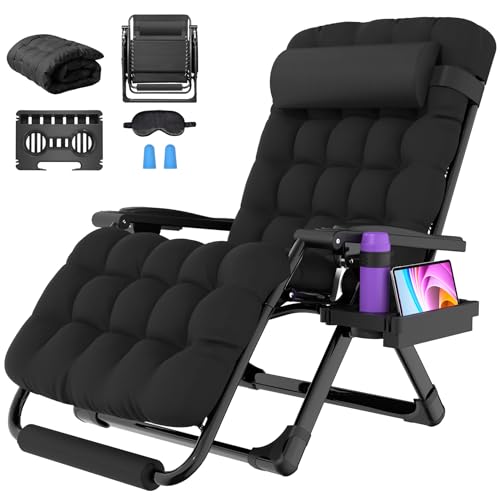
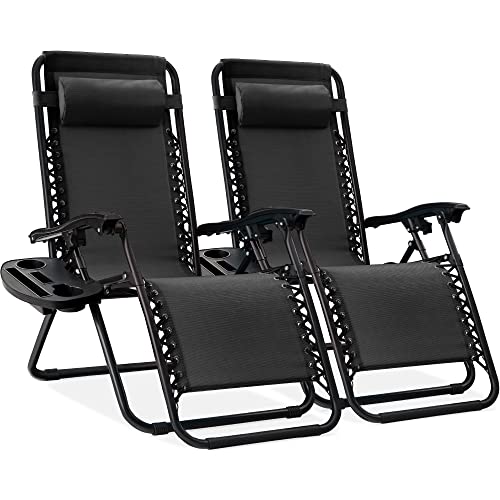
Patio Lounge Chair: The Complete Buying Guide for Ultimate Outdoor Relaxation
Everything you need to know before choosing a lounge chair — from frame materials and reclining mechanisms to comfort features and space planning. Make a confident, informed decision for your backyard retreat.
Explore the GuideWhy a Patio Lounge Chair Deserves Careful Consideration: A lounge chair is more than just seating — it is an invitation to slow down, read a book, soak in the sun, or simply enjoy the breeze. Unlike dining chairs or conversation seating, a lounge chair is purpose-built for extended relaxation, which means comfort, durability, and ergonomic support matter far more than they do for occasional-use furniture. This guide walks you through every decision point so you can choose a chair that fits your body, your space, and your lifestyle.
What Exactly Is a Patio Lounge Chair?
A patio lounge chair is an outdoor seating piece designed primarily for reclining and long-duration comfort. It typically features a deeper seat, an adjustable or fixed backrest angled beyond the standard upright position, and often includes armrests and cushioning. While the terms are sometimes used interchangeably, a lounge chair sits between a standard patio chair (upright, dining-oriented) and a full chaise lounge (nearly flat, sunbathing-oriented).
If you are still mapping out your entire outdoor seating plan, our guide to patio seating can help you see how a lounge chair fits alongside sofas, dining sets, and accent pieces.
Lounge Chair vs. Chaise Lounge
A chaise lounge is longer and designed for near-horizontal reclining, often used poolside. A lounge chair offers a more upright recline — better for reading, conversation, and sipping a drink while still providing significant back support.
Lounge Chair vs. Patio Rocker
Rockers add a gentle rocking motion but usually keep a more upright posture. Lounge chairs prioritize recline angle and body-length support. Some hybrid designs now combine both features.
Lounge Chair vs. Patio Glider
Gliders move smoothly back and forth on a track, often seating two. A lounge chair is typically a single-person seat focused on recline comfort rather than motion.
Types of Patio Lounge Chairs: Find Your Perfect Match
Lounge chairs vary widely in form, function, and the way they support your body. Understanding the main categories will help you narrow down the right fit before you start comparing specific models.
1. Adjustable Reclining Lounge Chairs
These are the most versatile option. A multi-position backrest lets you switch from an upright reading posture to a deep recline in seconds. Mechanisms range from simple notched bars to smooth gas-pistons. Mid-range and premium models typically offer more recline positions and smoother operation, while entry-level models may have fewer settings but still deliver solid comfort.
2. Fixed-Back Lounge Chairs
With a set recline angle, these chairs are simpler, sturdier, and often more streamlined in design. They suit homeowners who prefer a consistent lounging posture and want fewer moving parts to maintain. Fixed-back designs are common in modern and minimalist outdoor collections.
3. Folding and Portable Lounge Chairs
Ideal for balconies, camping, or flexible seating arrangements. Folding lounge chairs can be stored away when not in use and repositioned easily. They are a practical choice for small apartment balconies where floor space is at a premium.
4. Cushioned vs. Sling Lounge Chairs
Cushioned lounge chairs offer plush comfort and a more residential, upholstered look. Sling chairs use a taut fabric seat that conforms to your body, dries quickly, and requires less maintenance. Both have their place — cushioned designs suit covered patios, while sling chairs excel in exposed, sun-and-rain environments.
Frame Materials: Durability, Weight, and Climate Considerations
The frame determines how long your lounge chair lasts, how heavy it is to move, and how much maintenance it needs. Here is a practical breakdown of the most common materials.
| Material | Best For | Weather Resistance | Maintenance Level | Typical Market Tier |
|---|---|---|---|---|
| Powder-Coated Aluminum | All climates; coastal areas | Excellent — rust-resistant | Low — wipe clean | Mid-range to premium |
| Teak Wood | Natural, rustic, and modern styles | Very good — naturally weather-resistant | Moderate — occasional oiling | Premium to luxury |
| Wicker & Rattan (Natural) | Coastal, bohemian, traditional decors | Good — needs cover in harsh weather | Moderate — inspect for wear | Mid-range to premium |
| All-Weather Resin Wicker | Humid or rainy climates | Excellent — UV and moisture resistant | Low — rinse and dry | Entry-level to mid-range |
| Steel (Powder-Coated) | Heavy-duty or high-traffic patios | Good — chips require touch-up | Moderate — inspect coating | Entry-level to mid-range |
| High-Density Resin | Low-maintenance households | Excellent — impervious to moisture | Very low — hose off | Entry-level to mid-range |
For a deeper dive into how different frame materials perform across seasons, see our broader guide to patio furniture construction and care.
Comfort & Ergonomics: What to Look For Before You Decide
A lounge chair can look beautiful in a catalog and still feel wrong after twenty minutes. The key is matching the chair's geometry to your body and the way you plan to use it.
Seat Depth and Height
Deeper seats support longer legs and a more reclined posture; shallower seats suit smaller frames and more upright sitting. Seat height matters too — a lower seat makes it easier to recline deeply, but a higher seat is easier to get in and out of, especially for older users or anyone with knee concerns.
Backrest Angle and Adjustability
A fixed backrest around 105–115 degrees from horizontal works well for reading and conversation. Adjustable models that recline past 130 degrees suit napping and sunbathing. If multiple household members will use the chair, an adjustable backrest is the safer choice.
Armrests
Flat, wide armrests are more comfortable for holding a book or a drink. Curved armrests may look elegant but can dig in during long lounging sessions. Detachable or flip-up armrests are useful in tight spaces.
Cushion Thickness and Fabric
Thicker cushions are not automatically better — density matters more than thickness. High-resilience foam retains its shape longer. For fabric, solution-dyed acrylic and olefin blends resist fading and mildew better than standard polyester. If you plan to leave cushions out, look for quick-dry foam and removable, washable covers.
Space Planning: How a Lounge Chair Fits Into Your Patio Layout
Lounge chairs work best when they have breathing room. A common mistake is crowding them next to dining sets or against walls, which defeats the purpose of a relaxed seating position.
- Allow clearance for reclining: Leave at least 18–24 inches behind the chair so the backrest can recline without hitting a wall or railing.
- Pair with a side table: A small patio end table within arm's reach holds a drink, book, or sunscreen without requiring you to get up.
- Create a lounge zone: If space allows, pair two lounge chairs with a shared side table and an outdoor rug to define a dedicated relaxation area.
- Consider a lounger for poolside: If your patio surrounds a pool, a patio lounger with a flatter recline may be more practical than a standard lounge chair.
- Balance with conversation seating: Lounge chairs can complement a patio conversation set by adding a quiet corner for reading or solo relaxation.
For smaller outdoor areas, our guide to patio furniture with two chairs and a table offers layout ideas that keep the space functional without feeling cramped.
Key Buying Factors: A Decision Framework
When comparing lounge chairs, focus on these factors in order of importance. This framework helps you avoid overpaying for features you do not need or underinvesting in areas that affect longevity.
Starter Tier Priorities
Focus on solid frame construction, basic weather resistance, and a comfortable fixed or simple adjustable backrest. These chairs suit occasional use, covered patios, and households that prefer to replace rather than maintain over many years.
Mid-Range Priorities
Look for smoother recline mechanisms, higher-density cushions, and better fabric UV ratings. This tier often offers the best balance of comfort, durability, and design variety for year-round outdoor use.
Premium Priorities
Premium lounge chairs typically feature refined joinery, multi-position gas-piston reclining, solution-dyed fabrics with extended warranties, and frame materials engineered for decades of exposure. These are long-term investments in comfort and aesthetics.
Weight and Portability
If you plan to move the chair frequently — for sun tracking, storage, or rearranging — lighter aluminum or resin frames are easier to handle. Heavier teak and steel chairs feel more grounded but are harder to reposition alone.
Storage and Seasonal Care
If you live in a region with harsh winters, consider how you will store the chair. Folding designs and stackable models save space. Protective covers extend the life of any outdoor piece; our guide to patio furniture covers explains what to look for in a quality cover.
Warranty and Brand Reputation
Frame warranties of five years or more signal manufacturer confidence. Cushion and fabric warranties vary widely. Before committing, compare brands using our patio furniture brands overview to understand which manufacturers consistently deliver on durability promises.
Styling Your Lounge Chair: Design Ideas That Work
A lounge chair is a focal point in its own right. How you style it determines whether it feels like an afterthought or an intentional design statement.
Coordinate With Your Patio Style
Modern patios pair well with clean-lined aluminum or sling lounge chairs in neutral tones. Rustic and farmhouse spaces suit teak or wicker frames with textured cushions. Coastal designs benefit from white or light-blue resin wicker and weather-resistant fabrics in nautical stripes.
Layer With Accessories
A small outdoor rug beneath the chair grounds the space. A side table, a lantern, and a lightweight throw blanket (for cooler evenings) complete the lounge zone. Our patio essentials checklist covers the accessories that make an outdoor seating area feel finished.
Mix Materials for Visual Interest
Combining a wood-framed lounge chair with a metal side table, or a wicker chair with a concrete planter, creates depth and prevents the patio from looking like a matching showroom set. The goal is cohesion, not uniformity.
Care & Maintenance: Protect Your Investment
Regardless of material, a few simple habits will significantly extend the life and appearance of your lounge chair.
- Clean frames regularly: Wipe aluminum and resin frames with mild soap and water. Rinse teak occasionally to prevent mildew; oil it annually if you want to maintain a golden tone.
- Store cushions when not in use: Even quick-dry fabrics last longer when shielded from rain and direct sun. Use a patio cushion storage solution to keep cushions dry and clean.
- Inspect hardware seasonally: Tighten bolts and lubricate recline mechanisms at the start of each season to keep them operating smoothly.
- Cover during off-season: A breathable cover prevents dust, pollen, and moisture buildup. Avoid plastic covers that trap condensation.
- Touch up chips and scratches: Small chips in powder-coated steel or aluminum can lead to corrosion if left untreated. Touch-up paint is inexpensive and easy to apply.
For a comprehensive seasonal maintenance schedule, see our outdoor care section.
Quick Comparison: Lounge Chair Categories at a Glance
| Category | Best For | Recline Range | Portability | Maintenance Level |
|---|---|---|---|---|
| Adjustable Reclining Lounge Chair | Versatile daily use, reading, napping | Multi-position | Moderate (often heavy) | Low to moderate |
| Fixed-Back Lounge Chair | Consistent lounging posture, streamlined design | Fixed angle | Moderate | Low |
| Folding / Portable Lounge Chair | Balconies, travel, flexible layouts | Limited or fixed | High | Low |
| Cushioned Lounge Chair | Covered patios, plush comfort seekers | Varies by frame | Low to moderate | Moderate (cushion care) |
| Sling Lounge Chair | Sun-exposed, poolside, quick-dry needs | Varies by frame | Moderate | Low |
Frequently Asked Questions About Patio Lounge Chairs
What is the difference between a patio lounge chair and a regular patio chair?
A patio lounge chair is purpose-built for reclining and extended relaxation, typically featuring a deeper seat and an angled or adjustable backrest. Regular patio chairs are upright seating designed for dining, conversation, or short-duration use. If you plan to read, nap, or spend hours outdoors, a lounge chair is the more ergonomic choice.
How do I choose the right material for a patio lounge chair?
Start with your climate and maintenance preference. Aluminum is lightweight, rust-resistant, and suits coastal or humid areas. Teak is naturally durable and ages beautifully but benefits from occasional oiling. All-weather resin wicker offers excellent moisture and UV resistance with very little upkeep. Powder-coated steel is heavy-duty but requires touch-ups if the coating chips. For harsh winters, resin or aluminum are the most forgiving choices.
Can patio lounge chairs stay outside during winter?
It depends on the material and your local climate. Aluminum, resin, and high-density plastic frames can generally remain outdoors year-round. Teak can handle winter exposure but may develop a silvery patina. Wicker and steel benefit from covers or indoor storage. Cushions should always be brought inside or stored in a dry place to prevent mildew and fabric degradation.
What size patio lounge chair fits a small balcony?
Look for compact or folding lounge chairs with a narrow footprint. A single chair paired with a small side table often works well on a balcony. Measure your available depth carefully — you need clearance behind the chair for reclining. Stackable or foldable designs let you store the chair when floor space is needed for other activities.
How many lounge chairs should a typical patio have?
Two lounge chairs are the most common arrangement for a couple or a small household, often paired with a shared side table. Larger patios may accommodate three or four chairs in a lounge zone. If you also have dining or conversation seating, two lounge chairs create a dedicated relaxation corner without overwhelming the space.
Ready to Choose Your Patio Lounge Chair?
Use the insights from this guide to compare features with confidence. Whether you prioritize plush cushions, a smooth recline mechanism, or weather-resistant construction, the right lounge chair is waiting for you.
View Recommended Lounge Chairs