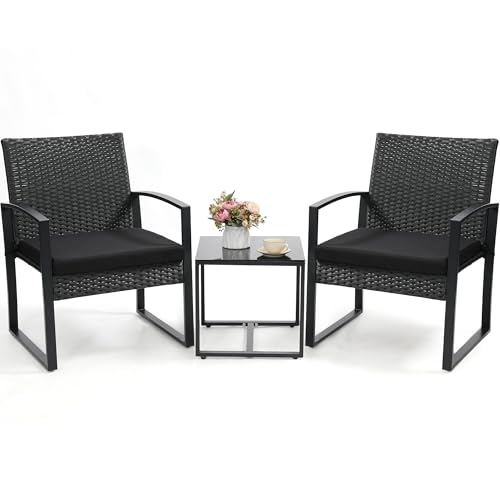
Patio Furniture Brands: A Complete Guide for Smart Buyers
Navigate the crowded outdoor furniture market with confidence. Compare brands by materials, construction quality, design philosophy, and long-term durability so you can choose a maker that fits your backyard for years to come.
Compare BrandsWhy brand research matters: Two patio sets can look nearly identical in photos yet perform very differently after a few seasons outdoors. The brand behind the product determines the grade of materials, the quality of welds and joinery, the fabric warranty, and how easy replacement parts are to source. This guide breaks down what separates entry-level, mid-range, premium, and luxury brands so you can match a maker to your climate, usage, and style.
What This Guide Covers
How to Understand Patio Furniture Brand Tiers
The outdoor furniture market is not organized by price alone. Brands position themselves along a spectrum of construction quality, material sourcing, and design ambition. Understanding these tiers helps you calibrate expectations before you start comparing specific models.
Entry-Level Brands
Entry-level makers focus on accessibility and broad availability. You will typically find tubular aluminum or steel frames, powder-coated finishes, and polyester or olefin cushions. These brands are a sensible starting point for renters, seasonal balconies, or anyone furnishing an outdoor space for the first time. The best entry-level brands distinguish themselves through consistent quality control and honest material specifications rather than through exotic materials. Within this tier, look for reinforced joints and clearly stated fabric ratings rather than decorative flourishes.
Mid-Range Brands
Mid-range manufacturers step up to thicker frame gauges, better welding, and solution-dyed acrylic fabrics that resist fading. Many mid-range brands offer modular systems, so you can expand a seating arrangement later without replacing everything. This tier is where you begin to see meaningful warranties on frames and fabrics. Brands in this class often balance contemporary and traditional styling, making them a practical choice for most homeowners. If you are furnishing a primary patio and want a long-term investment without moving into flagship territory, this is the sweet spot for many buyers.
Premium Brands
Premium brands invest in high-grade aluminum, hand-finished teak, and marine-grade hardware. Cushions use high-density foam wrapped in solution-dyed acrylic, and frames often carry multi-year structural warranties. Design language tends to be more refined, with brands collaborating with established outdoor designers. Premium makers also tend to offer deeper customization, including finish and fabric libraries that let you tailor a set to your space. These brands are well suited to full-sun exposures, coastal environments, and households that entertain frequently.
Luxury and Commercial-Grade Brands
At the top of the market, luxury and commercial-grade brands build furniture intended for hospitality settings and long-term residential use. Expect fully welded aluminum frames, premium teak from responsibly managed forests, and performance fabrics rated for intensive UV exposure. These makers often provide design consultation and white-glove delivery. A luxury patio set is a long-term investment in both durability and aesthetics. If your outdoor space functions as an extension of your living room, these brands deliver the fit and finish that match interior-grade expectations.
Practical tip: Brand tier is not the same as brand fit. A well-chosen mid-range brand with a strong warranty can outperform a poorly specified premium set for your particular climate. Always match the brand's material strengths to your local weather patterns, sun exposure, and how often the furniture will be used.
Materials That Define a Brand's Reputation
The materials a brand chooses reveal its priorities. When you compare patio furniture brands, look beyond the marketing language and examine four core components: the frame, the finish, the cushion fabric, and the hardware.
Frame Construction
Aluminum is the most common frame material because it resists rust and stays relatively light. Brands that use thicker aluminum tubing and fully welded joints produce furniture that feels solid and resists wobble over time. Steel frames are heavier and strong but require robust powder coating to prevent corrosion. Teak and other hardwoods are the domain of premium and luxury brands that can source responsibly and season the wood properly. Wicker and rattan—whether natural or synthetic resin—vary widely in quality; high-end resin wicker resists UV degradation far better than entry-level weaves.
Finish and Coating
Powder coating is the standard finish for metal furniture. Premium brands use multi-stage pre-treatment and thicker coatings that resist chipping and fading. If you live near the coast, look for brands that explicitly state marine-grade or salt-air-rated finishes. Wood finishes range from penetrating oils to water-based sealants; the best brands specify which products to use for maintenance and back that guidance with clear care instructions.
Cushion Fabric
Solution-dyed acrylic is the benchmark for outdoor cushion fabric because the color is engineered into the fiber rather than applied to the surface. Brands that use solution-dyed acrylic typically advertise it clearly and offer fade warranties. Polyester is common in entry-level sets and performs acceptably in shaded areas but fades faster in direct sun. Olefin offers good moisture resistance and is often found in mid-range brands.
Hardware and Details
Stainless steel hardware is a strong indicator of a brand's commitment to longevity. Look for brands that use marine-grade stainless steel in exposed fasteners, especially on furniture intended for coastal areas. Glides, levelers, and connection points are small details that separate thoughtfully engineered brands from those that prioritize appearance alone.
Brand Comparison at a Glance
The table below summarizes how brand tiers differ across the dimensions that matter most to buyers. Use it as a quick reference before diving into specific brand profiles.
| Brand Tier | Typical Frame | Cushion Fabric | Best For | Warranty Posture |
|---|---|---|---|---|
| Entry-level | Tubular aluminum or steel, basic powder coat | Polyester or olefin | Renters, balconies, seasonal use | Short-term, limited coverage |
| Mid-range | Thicker aluminum, improved welds | Solution-dyed acrylic or upgraded olefin | Primary patios, everyday use | Multi-year frame and fabric coverage |
| Premium | High-grade aluminum, teak, marine hardware | Solution-dyed acrylic, high-density foam | Full sun, coastal areas, frequent entertaining | Extended structural and fade warranties |
| Luxury / commercial-grade | Fully welded aluminum, premium teak, stainless hardware | Performance fabrics rated for intensive UV | Hospitality, long-term residential, design-led spaces | Comprehensive, design consultation included |
Notable Brand Profiles
Rather than ranking brands, it is more useful to understand what each type of brand does well. The cards below describe the strengths and positioning of brands you will encounter across the market. Use them to shortlist makers that align with your priorities.
The Modular Seating Specialist
Strengths: Expandable sectionals, consistent fabric library, strong dealer network.
Brands in this category excel at modular systems that let you reconfigure a seating arrangement as your needs change. They tend to offer the same cushion fabrics across multiple frame styles, making it easy to coordinate. A solid choice if you want a cohesive look without premium-tier investment.
The Teak Craft House
Strengths: Responsibly sourced teak, traditional joinery, natural aging aesthetics.
These brands focus on solid teak construction and time-honored woodworking techniques. Their furniture develops a silver-gray patina when left untreated, which many homeowners prefer. Ideal for buyers who value natural materials and are comfortable with seasonal oiling if they want to retain the golden tone.
The Value Aluminum Maker
Strengths: Broad availability, straightforward assembly, replacement-part support.
These brands make aluminum furniture accessible to a wide audience. The best among them differentiate through consistent powder coating and reliable customer service. A practical starting point for first-time patio owners who want a complete set without a long-term commitment.
The Coastal Performance Brand
Strengths: Marine-grade hardware, salt-air-rated finishes, performance fabrics.
These brands engineer specifically for humid and salt-heavy environments. Stainless steel hardware, sealed welds, and fast-drying cushions are standard. If you live near the ocean or in a region with heavy humidity, this profile deserves a close look.
The Designer Collaboration House
Strengths: Refined silhouettes, curated fabric palettes, design consultation.
Luxury brands often partner with established outdoor designers to produce collections with a distinct point of view. They offer deep customization and white-glove service. Suited to buyers treating the patio as a designed extension of the home interior.
The Wicker and Resin Specialist
Strengths: UV-stable resin weaves, classic profiles, weather resilience.
These brands focus on synthetic wicker that mimics natural rattan while resisting UV and moisture. Quality varies within this group, so check for multi-year fade warranties and high-density foam cushions. A strong option for traditional and transitional styles.
Ready to explore specific furniture styles from these brands? Browse our curated patio furniture collections to see how different brand tiers translate into real outdoor setups.
Explore Patio FurnitureHow to Choose the Right Patio Furniture Brand
Choosing a brand is less about finding a universal winner and more about matching a maker's strengths to your situation. Work through the following considerations before you commit.
Assess Your Climate
Sun exposure, humidity, salt air, and freeze-thaw cycles all stress outdoor furniture differently. Coastal environments demand marine-grade hardware and fade-resistant fabrics. Desert climates punish materials with intense UV. Cold-winter regions require frames that can withstand storage cycles or remain outdoors through freezing temperatures. Brands that publish climate-specific guidance are signaling that they understand these challenges.
Define How You Use the Space
A balcony that seats two for morning coffee has different demands than a patio that hosts large gatherings. Frequent entertaining favors modular seating and durable surfaces that clean easily. Quiet relaxation spaces can prioritize comfort and aesthetics. Match the brand's design focus to your actual usage pattern rather than an aspirational one.
Check Warranty Language
Warranty terms are one of the clearest signals of a brand's confidence in its product. Look for separate coverage for frames, finishes, and fabrics. Brands that offer multi-year fade warranties on cushions are typically using solution-dyed acrylic. Read the exclusions carefully, especially around coastal use and commercial settings.
Confirm Replacement Part Availability
Even well-made furniture occasionally needs a new cushion, glide, or fastener. Brands that maintain replacement-part inventories and publish parts diagrams make long-term ownership easier. This is especially important for modular systems where you may want to add components later.
Evaluate Design Cohesion
A brand with a coherent design language makes it easier to build a unified outdoor space over time. If you plan to add pieces gradually, favor brands that keep core fabrics and finishes in their catalog across seasons. This reduces the risk of a discontinued fabric breaking your visual continuity.
Buyer's note: If you are furnishing a small patio or balcony, prioritize brands that offer compact modular options and self-storing cushion features. For larger spaces, brands with expandable sectional systems and matching dining collections give you more room to grow. You can explore related guidance in our balcony furniture guide and our conversation sets with fire pits overview.
Frequently Asked Questions About Patio Furniture Brands
Are premium patio furniture brands worth the higher tier?
For many homeowners, yes. Premium brands typically deliver thicker frames, better welds, solution-dyed acrylic cushions, and longer warranties. If your furniture stays outdoors year-round or you entertain frequently, the durability gains tend to justify moving up a tier. For seasonal or rental use, a well-chosen mid-range brand may be the more sensible fit.
Which brands are best for coastal environments?
Look for brands that specify marine-grade stainless steel hardware and salt-air-rated finishes. Aluminum frames with robust powder coating are a strong baseline. Brands that publish coastal care guidance and offer fade warranties on solution-dyed acrylic cushions are better equipped for salt and humidity. Avoid brands that rely on standard steel hardware in exposed locations.
How can I tell if a brand uses quality cushion fabric?
Check whether the brand names the fabric type and offers a fade warranty. Solution-dyed acrylic is the benchmark, with the color engineered into the fiber. Brands confident in their fabric will state the warranty period clearly. If a listing does not specify the fabric or warranty, treat that as a signal to ask the retailer directly.
Do luxury brands offer better customization?
Generally, yes. Luxury and premium brands tend to offer broader fabric and finish libraries, sometimes with design consultation. Mid-range brands are increasingly offering customization as well, particularly for modular systems. If a specific color or finish is essential to your design, check the brand's current catalog before committing.
Should I stick to one brand for my entire patio?
Not necessarily. Sticking to one brand makes coordination easier, especially for fabrics and finishes. However, mixing brands can work well when you are combining different furniture types, such as a dining set from one maker and a lounge collection from another. The key is to unify the space through a consistent color palette and material theme.
How often do patio furniture brands discontinue collections?
Discontinuation cycles vary. Entry-level brands often refresh collections frequently, while premium and luxury brands tend to keep core collections longer. If you plan to add pieces over multiple seasons, favor brands with stable core collections or confirm that matching fabrics and finishes will remain available.
Whether you are comparing entry-level aluminum sets or evaluating luxury teak collections, the right brand is the one whose materials, warranty, and design language align with your space and habits. Take your time, compare specifications, and prioritize construction quality over surface appearance. For a broader look at furnishing your outdoor space, see our guide to patio essentials and our overview of patio living.