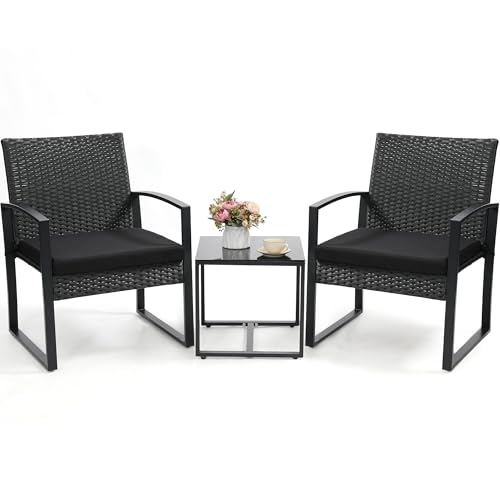
Patio Furniture for Small Apartment Balcony: A Practical Buying Guide
Turn a compact balcony into a functional outdoor retreat. Learn how to measure your space, choose the right furniture types, and select materials that survive wind, rain, and tight footprints.
Why this guide matters: Apartment balconies come with strict limits — narrow depth, weight restrictions, wind exposure, and often no storage. This guide walks you through the exact decisions that matter when furnishing a small balcony, from footprint planning to material durability, so you can buy with confidence instead of guessing.
Start With the Footprint, Not the Furniture
Most apartment balconies fall between 4 and 6 feet deep and 8 to 12 feet wide. Before browsing any patio furniture for small apartment balcony options, measure three dimensions: total width, total depth, and the usable depth after accounting for railing thickness and any door swing. A balcony that looks generous in photos often loses a full foot to a sliding door track or a protruding AC unit.
Leave at least 24 inches of clear walking path between furniture and the balcony door. If your balcony is shallower than 5 feet, prioritize depth-slim seating — bistro chairs, folding chairs, or wall-hugging benches — over deep lounge chairs. For a deeper walkthrough of layout choices, see our apartment balcony patio furniture sets guide.
Best Furniture Types for a Compact Balcony
Bistro Sets
Two chairs and a small round table form the most space-efficient dining or coffee setup. Round tables reduce corner collisions and fit better against railings than square or rectangular tops.
Folding & Stacking Chairs
Fold flat against the wall or stack in a corner when not in use. Ideal for balconies that double as utility space or need to stay clear during building inspections.
Two-Seat Conversation Sets
A loveseat plus two compact chairs defines a cozy lounging zone. Look for low-back profiles that sit below the railing line to preserve your view and avoid wind-catching surfaces. Compare options in our conversation sets for small spaces roundup.
Balcony Benches with Storage
A bench with a lift-up seat doubles as cushion storage, removing the need for a separate deck box. This is especially valuable on balconies where floor space and building rules restrict extra containers.
Materials That Handle Balcony Conditions
Apartment balconies expose furniture to more stress than a ground-level patio: stronger wind at height, rain blowing sideways under shallow overhangs, and salt air in coastal buildings. Material choice is the single biggest factor in how long your furniture lasts.
- Aluminum frames: Lightweight, rust-resistant, and easy to move alone. Powder-coated aluminum is the top-tier choice for balconies because it will not corrode and stays manageable for one person to rearrange.
- High-density polyethylene (HDPE) resin: Weatherproof and colorfast. Mid-range resin sets resist fading and do not need covers, but confirm the frame is reinforced — hollow plastic can become airborne in high wind.
- Powder-coated steel: Sturdy and stable in wind. Entry-level steel sets are common, but check weld quality and look for rust-proof finish on all joints, since chips expose bare metal.
- Teak and acacia: Premium wood options that age gracefully, though they require periodic sealing. Solid teak is a long-term investment; acacia offers a solid choice for the tier but needs more frequent oiling.
- Wicker and rattan: All-weather synthetic wicker over an aluminum frame gives a natural look without the maintenance of real rattan. Check that the weave is tight and the frame is metal, not hollow plastic.
Cushions deserve separate attention. Choose quick-dry foam with solution-dyed acrylic covers, and plan where they will go during rain. A cushion storage solution — even a small bench box — makes the difference between cushions that last several seasons and cushions that stay damp.
Tier Comparison: Matching Furniture to Your Needs
The table below uses quality tiers rather than numeric pricing. Each tier reflects relative build quality, material grade, and expected lifespan in a balcony environment.
| Tier | Typical Materials | Best For | Considerations |
|---|---|---|---|
| Essential tier | Powder-coated steel, basic resin, folding frames | Renters, first balconies, seasonal use | Lightest weight; secure during wind; expect shorter lifespan |
| Balanced tier | Aluminum frames, all-weather wicker, mid-grade cushions | Everyday use, year-round balconies | Good value for its tier; comfortable and manageable to move |
| High-end tier | Powder-coated aluminum, solution-dyed acrylic, teak accents | Long-term balcony living, design-focused setups | Heavier; best stability in wind; longer cushion life |
| Luxury tier | Solid teak, marine-grade hardware, custom cushions | Owner-occupied units, premium finish expectations | Requires maintenance schedule; worthwhile investment over many years |
Layout Strategies That Actually Work
Small balconies reward intentional zoning. Pick one primary function — dining, lounging, or gardening — and let secondary uses fold away. A few proven layouts:
- The bistro corner: Place a round two-person table against the railing and push chairs in when not in use. Leaves the rest of the balcony open for plants or a small grill.
- The loveseat wall: Run a two-seat sofa along the longest wall with a slim end table at one side. A patio loveseat with a low back keeps sightlines open.
- The folding pair: Two folding chairs and a small tray table that collapse and store in a closet. Best for balconies under 50 square feet.
- The bench-and-plant mix: A storage bench along one wall, a vertical planter on the opposite railing, and a single accent chair. Maximizes greenery without sacrificing seating.
Avoid anchoring furniture to railings unless your building explicitly permits it — many apartment associations prohibit modifications that could affect structural integrity. If you need shade, consider a freestanding umbrella with a weighted base rather than a clamp-on model, and confirm building rules on retractable shade. For sun and privacy options, see our notes on retractable awnings.
Wind, Rain, and Storage: Practical Protections
Wind is the biggest threat on upper-floor balconies. Hollow plastic chairs and lightweight tables can tip or blow over during storms. Choose heavier items for permanent placement, and fold or bring in lighter pieces when strong winds are forecast. Umbrellas should always use a weighted base and be closed during storms — never leave an open umbrella unattended.
For rain, the priority is cushion management. Quick-dry cushions still need to be brought in or stored in a waterproof box during prolonged wet periods. If your building allows a small deck box, position it against the least visible wall and confirm it does not block the required egress path. Some buildings restrict storage on balconies entirely due to fire codes — check your lease before buying a storage bench.
If you want furniture that can stay outside year-round, focus on aluminum and HDPE resin frames with removable cushions. Our guide to patio furniture that can be left outside in winter covers material-specific cold-weather care.
Building Rules and Rental Considerations
Before purchasing anything, review your lease and building bylaws. Common restrictions include limits on balcony storage, bans on open-flame fire pits, weight limits for concrete balconies, and prohibitions on drilling or clamping. A patio fire pit is almost never permitted on an apartment balcony — even gas models — due to fire codes, so plan ambiance around battery-powered lighting instead. Similarly, confirm whether grills are allowed before planning a cooking zone.
For renters, prioritize furniture that moves easily: folding chairs, bistro sets, and lightweight aluminum frames. If you plan to stay in the unit long-term, the balanced tier or high-end tier offers better comfort and durability without the maintenance burden of solid wood.
Frequently Asked Questions
What is the best patio furniture for a small apartment balcony?
Bistro sets, folding chairs, and modular conversation sets with compact footprints work best. Look for pieces that fold flat, stack, or nest when not in use, and prioritize aluminum or resin frames that resist moisture and rust.
How much space do I need for a balcony conversation set?
A two-seat conversation set typically needs a footprint of roughly 4 by 4 feet, while a loveseat with two chairs may require around 6 by 6 feet. Always measure your balcony railing-to-wall depth and leave at least 24 inches of walking clearance around seating.
Can patio furniture stay on an apartment balcony year-round?
It depends on the material and local climate. Aluminum, resin, and high-density polyethylene frames handle moisture well, but cushions should be brought inside or stored in a weatherproof deck box during heavy rain, freezing temperatures, or high-wind seasons. Check your building's rules on balcony storage before leaving items out.
How do I protect balcony furniture from wind?
Choose heavier pieces or weighted bases for umbrellas and shade structures. Fold and secure chairs during storms, use furniture straps where permitted, and avoid lightweight hollow plastic items that can become airborne on upper floors.
Ready to Furnish Your Balcony?
Explore our curated selection of compact patio furniture built for tight spaces, wind exposure, and everyday apartment living.
Explore Balcony Sets