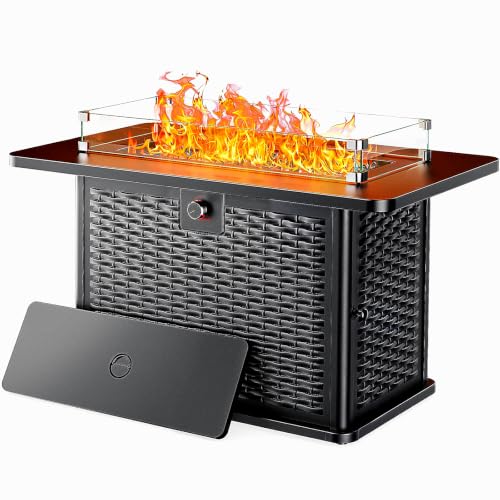
Patio Fireplace Table: The Complete Guide to Choosing the Right Centerpiece for Your Outdoor Space
A patio fireplace table combines the function of a coffee or dining surface with the warmth and ambiance of a real fire feature. In this guide, we break down how these versatile pieces work, what separates one tier from another, and how to match the right model to your backyard lifestyle — so you can make a confident, well-informed decision before you buy.
Why a Patio Fireplace Table Belongs in Your Outdoor Plan
If you have been researching ways to extend the usable hours of your backyard, you have likely encountered the patio fireplace table — sometimes called a fire table or outdoor fireplace table. Unlike a standalone patio fire pit, which often sits low to the ground, a fireplace table is engineered to double as a surface. That means you get a place to rest drinks, plates, or a book while the central burner provides warmth and a visual focal point. For homeowners in the research stage, this dual-purpose design is often the deciding factor over a traditional fire pit.
The concept has matured significantly in recent years. Early models were essentially hollow tables with a burner dropped in. Today, the category spans everything from compact two-chair-and-a-table configurations to full patio dining sets with a fire pit table integrated into the dining layout. Understanding where your setup falls on that spectrum is the first step toward choosing wisely.
Editor's note: Throughout this guide we use market-tier descriptors — entry-level, mid-range, premium, and luxury — instead of numeric figures. These tiers describe relative positioning within the category and remain meaningful regardless of when you read this page. They help you compare construction quality, burner sophistication, and material grade without relying on figures that change constantly.
How a Patio Fireplace Table Works: Fuel Types and Burner Systems
Every fireplace table is built around a burner system, and the fuel type you choose affects everything from installation to maintenance. The three primary options are propane, natural gas, and bioethanol (gel or liquid). Propane models are the most common because they are portable and require no gas line — you simply connect a tank, often stored inside the table base or in a nearby hideaway. Natural gas models deliver a continuous flame without tank swaps, but they require a professional connection to your home's gas line. Bioethanol units are ventless and produce no smoke, making them a popular choice for covered patios and balconies where ventilation is limited.
Burner construction matters just as much as fuel type. Entry-level units typically use a simple pan burner with basic lava rock or fire glass. Mid-range models often add a more refined burner with better flame distribution and a wind guard. Premium and luxury tiers frequently feature linear burners, concealed controls, and integrated ignition systems. If you plan to use the table frequently, it is worth prioritizing a burner with a reliable ignition and a well-sealed control panel, since these are the components most likely to affect long-term satisfaction.
- Propane: Portable, no gas line, requires periodic tank replacement.
- Natural gas: Continuous supply, professional installation needed, ideal for permanent setups.
- Bioethanol: Ventless, smoke-free, suited to covered or enclosed patios.
Comparing Market Tiers: What You Get at Each Level
The most useful way to evaluate a patio fireplace table is to understand what each market tier typically delivers. The table below summarizes the general characteristics you can expect. Use it as a framework when comparing specific models, and remember that individual products can outperform or underperform their tier in one or two areas.
| Tier | Best For | Typical Construction | Burner & Controls |
|---|---|---|---|
| Entry-Level | First-time buyers, occasional use, small patios | Powder-coated steel or lightweight resin; simpler assembly | Basic pan burner, manual ignition, lava rock or basic glass |
| Mid-Range | Regular entertaining, families, mixed-material patios | Stainless steel or aluminum frames; weather-resistant finishes | Improved burner with wind guard, push-button ignition, better flame control |
| Premium | Frequent use, design-focused spaces, larger decks | Heavy-duty stainless or cast aluminum; premium slat or tile tops | Linear burner, concealed controls, electronic ignition, refined media |
| Luxury | Permanent installations, high-end outdoor rooms, commercial-grade use | Marine-grade stainless, natural stone or porcelain tops, integrated storage | Multi-zone or ribbon burners, smart ignition, custom media and accessories |
As a general rule, mid-range models offer the most balanced combination of durability and burner refinement for most households. Entry-level units are a solid choice if you are testing how often you will actually use a fire feature. Premium and luxury tiers make sense when the table is a permanent architectural element and you want materials that hold up to daily exposure with minimal intervention.
Materials, Table Shapes, and Design Compatibility
A fireplace table is a piece of furniture as much as it is a heat source, so its material and shape need to complement the rest of your outdoor setup. The most common tabletop materials are slatted metal, cast aluminum, tile, and — at the higher tiers — natural stone or porcelain. Slatted metal tops are lighter and shed water well; tile and stone tops feel more substantial and pair naturally with patio dining furniture sets that use similar finishes. If your existing furniture leans toward wood or wicker, a warm-toned tile top often blends more seamlessly than a cool metal surface.
Shape is equally important. Rectangular tables work well in narrow spaces and alongside a patio couch or sofa, while round and square tables are better suited to conversation clusters. If you are building a lounge arrangement, a square or round fireplace table can anchor a patio conversation set without dominating the footprint. For dining-oriented layouts, a rectangular model can serve as the center of a patio dining set with a fire pit in the middle, though you should confirm the table height matches your dining chairs.
Low, Wide Fire Tables
Best paired with deep seating and sectionals. These tables sit at coffee-table height and work well as the anchor of a conversation zone. Look for a tabletop wide enough for drinks and small plates.
Dining-Height Fire Tables
Designed to align with dining chairs. These are common in patio dining sets with a fire pit table and are ideal when meals and evening conversation happen at the same surface.
Convertible & Multi-Use Models
Some tables include a removable lid or insert that converts the fire feature into a flat surface when not in use. A practical option for smaller patios where every square foot matters.
Safety, Placement, and Practical Considerations
Before committing to a model, think through where the table will live and how it will be used. All fire features require clearance from combustible materials, and the exact requirements vary by manufacturer — always follow the product manual rather than relying on general rules of thumb. Covered patios need particular attention: bioethanol and some propane units are suitable for covered spaces, but others are not, so verify ventilation requirements before placing a table under a roof or pergola.
Wind is another factor that is easy to overlook. Open patios and elevated decks can cause flame instability, which is why a wind guard or glass surround is a worthwhile feature at the mid-range tier and above. If your patio is exposed, prioritize a burner with a recessed design or an included glass shield. For year-round use, consider how you will protect the table during the off-season. A fitted cover is essential, and if your table has a soft or fabric component, plan storage accordingly — the same logic that applies to patio cushion storage applies to any removable table accessories.
- Clearance: Maintain the manufacturer-specified distance from walls, railings, and furniture.
- Ventilation: Confirm the table is rated for covered or enclosed spaces before using it under a roof.
- Wind management: Choose a model with a wind guard or glass surround for exposed patios.
- Off-season care: Use a fitted cover and store removable media and accessories indoors.
Integrating a Fireplace Table Into Your Existing Patio
One of the practical advantages of a fireplace table is how naturally it fits into an existing layout. If you already own a patio sectional or a patio loveseat, a low rectangular or square table can slot into the center of the arrangement without requiring new seating. If you are starting from scratch, a fireplace table can serve as the planning anchor — choose the table first, then arrange seating around it. This approach tends to produce a more cohesive result than adding a fire feature as an afterthought.
For dining-focused households, a patio dining table with a fire pit in the middle offers a way to combine meals and evening warmth in a single footprint. This is especially effective on decks where separate lounge and dining zones would feel cramped. On smaller balconies, a compact convertible model paired with a patio set may be the most space-efficient solution. Whatever direction you choose, think of the fireplace table as the element that determines the rhythm of the space — it draws people in and sets the tone for how the patio is used after sunset.
Planning tip: If you are unsure between a lounge-height and dining-height model, measure the seating you already own. A table that sits noticeably lower or higher than your chairs will feel awkward regardless of how well it performs as a fire feature. Height compatibility is the single most common integration mistake.
A Practical Buying Checklist
When you are ready to compare specific models, work through the following checklist. It is organized around the decisions that most often cause buyer's remorse: fuel compatibility, sizing, burner quality, and material durability. Bring it with you when browsing online or in-store, and use it to filter options quickly rather than reading every specification in detail.
- Fuel type: Confirm propane, natural gas, or bioethanol matches your patio's infrastructure.
- Height: Match the table height to your existing seating or dining chairs.
- Footprint: Verify the table fits your space with proper clearance on all sides.
- Burner quality: Look for a recessed burner, wind guard, and reliable ignition.
- Material: Prioritize weather-resistant finishes and stainless components for exposed patios.
- Storage: Consider where the tank, lid, and removable media will live when not in use.
- Warranty: Review coverage on the burner and frame separately, as they often differ.
If you are still deciding between a dedicated fire table and a more traditional fire pit, our guide to the patio fire table category explores the differences in more depth. And if your broader goal is a fully coordinated outdoor room, it is worth reviewing the essentials covered in our patio essentials checklist so the fireplace table fits into a complete plan rather than standing alone.
Frequently Asked Questions
What is the difference between a patio fireplace table and a fire pit?
A fireplace table is designed to function as a surface — for drinks, plates, or decor — with a built-in burner at its center. A traditional fire pit is primarily a heat and ambiance feature with no meaningful tabletop. The table format is generally more practical for lounge and dining layouts, while a fire pit is often better suited to open, ground-level gathering areas.
Can a patio fireplace table be used on a covered porch?
It depends on the fuel type and the manufacturer's rating. Bioethanol units are ventless and commonly used in covered spaces, while propane and natural gas models vary. Always check the product manual for clearance and ventilation requirements before placing any fire feature under a roof or pergola.
How do I choose between propane and natural gas?
Propane offers portability and requires no gas line, making it the simpler choice for most households. Natural gas delivers a continuous flame without tank swaps but requires a professional connection. If the table will remain in one place permanently and you have an existing gas line nearby, natural gas is often the more convenient long-term option.
What table height should I choose?
Match the table height to the seating you plan to use. Lounge-height tables pair with sofas and deep seating, while dining-height tables align with dining chairs. A height mismatch is the most common integration issue, so measure your existing furniture before committing to a model.
How should I maintain a fireplace table through the seasons?
Use a fitted cover when the table is not in use, keep the burner area clean and dry, and store removable media and accessories indoors during extended periods of inactivity. For soft components, follow the same care principles you would use for patio cushion storage. Regular cleaning of the burner and control panel will help maintain consistent performance.
Ready to Compare Your Options?
You now have a clear framework for evaluating a patio fireplace table: fuel type, height, burner quality, material durability, and layout fit. Use the checklist above to narrow your shortlist, then explore the recommended models below to see how each option aligns with your patio's needs.