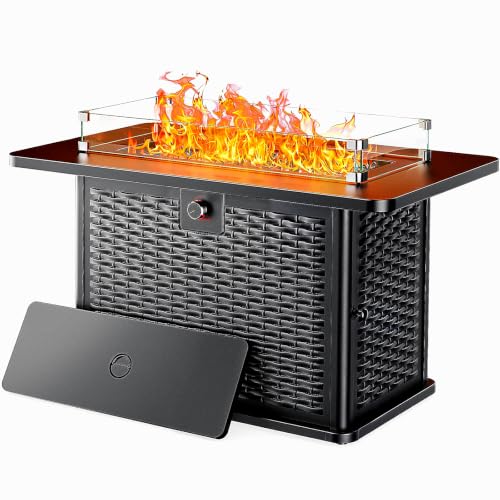
Patio Gas Fire Pit: The Complete Buying & Setup Guide
Everything you need to know before choosing a propane or natural gas fire pit for your outdoor space — from BTU output and safety clearances to placement, materials, and long-term maintenance.
START THE GUIDEWhy this guide matters: A patio gas fire pit is one of the most impactful upgrades you can make to an outdoor living area. It extends usable evenings across three seasons, creates a natural gathering point, and adds ambiance without the smoke, ash, or cleanup of a wood-burning unit. But choosing the right model requires understanding fuel type, heat output, safety ratings, and how the unit will integrate with your existing patio furniture layout. This guide walks you through every decision so you can buy with confidence.
Why Choose a Gas Fire Pit for Your Patio?
Gas fire pits have become the default choice for homeowners who want consistent warmth and instant ambiance without the hassle of managing solid fuel. Compared to wood-burning alternatives, a gas unit starts with a simple turn of a knob or a push of a button, produces no smoke, and requires no ash removal. That convenience matters when you are entertaining guests or enjoying a quiet evening and do not want to spend time tending a fire.
Beyond convenience, gas fire pits are often permitted in settings where open wood fires are restricted — including many apartment balconies, covered patios, and drought-sensitive regions. If you are planning a larger outdoor living zone, a gas fire pit pairs naturally with a conversation set or a patio couch to anchor the seating arrangement. For homeowners who want the fire feature integrated into dining, a dining set with a fire pit table is a practical option that combines two functions in one footprint.
Propane vs. Natural Gas: Which Fuel Type Fits Your Patio?
The first major decision is fuel type. Both options deliver clean-burning heat, but they differ in installation requirements, portability, and ongoing logistics.
Propane (LPG) Fire Pits
Propane models are the most common choice for residential patios because they are self-contained and do not require a gas line connection. A standard 20-pound propane tank powers most mid-range and premium units for roughly 8 to 12 hours at a moderate flame setting. Entry-level portable models may use smaller tanks or accept a standard grill tank with an adapter hose.
- Best for: Renters, balconies, decks, and patios without an existing gas stub.
- Advantages: Portable, no professional installation, easy tank swaps.
- Considerations: You will need to store and refill tanks; tank concealment is a design factor.
Natural Gas Fire Pits
Natural gas units connect directly to your home's gas supply, eliminating tank refills entirely. They require a licensed plumber or gas fitter to run a line and install a shut-off valve, so they are best planned as part of a permanent patio build or renovation. Once installed, operation is essentially unlimited — you never run out of fuel mid-evening.
- Best for: Permanent installations, built-in fire pit tables, and homeowners who entertain frequently.
- Advantages: Continuous fuel supply, no tank storage, lower long-term operating effort.
- Considerations: Professional installation required; less portable if you rearrange your patio.
💡 Planning Tip
If you are unsure which fuel type to choose, start by checking whether your patio already has a gas stub or nearby line. If not, a propane model is the lower-friction path. If you are building a new patio or renovating, running a natural gas line during construction is far easier than retrofitting later.
Understanding BTU Output and Heat Coverage
BTU (British Thermal Units) measures heat output. For patio gas fire pits, most residential models fall between 40,000 and 60,000 BTU. That range provides meaningful warmth for a standard seating area of four to six people. Entry-level units may sit at the lower end of that range, while high-end tier and professional-grade models often exceed 60,000 BTU with adjustable flame control.
Higher BTU does not automatically mean a better experience. A unit with excessive output in a small, enclosed patio can feel overwhelming, while an undersized unit in an open, windy space may struggle to deliver noticeable warmth. Match the output to your patio size, wind exposure, and typical seating distance. Adjustable flame height is a valuable feature in any tier — it lets you dial back the heat on mild evenings and run a taller flame for ambiance.
| Tier | Typical BTU Range | Best For | Key Features |
|---|---|---|---|
| Entry-level | 30,000 – 40,000 | Small patios, balconies, occasional use | Manual ignition, basic burner, compact footprint |
| Mid-range | 40,000 – 50,000 | Standard patios, four to six seats | Push-button ignition, flame adjustment, tank concealment |
| Premium | 50,000 – 60,000 | Larger patios, frequent entertaining | Electronic ignition, wind guard, premium materials |
| High-end / luxury | 60,000+ | Expansive outdoor living areas | Smart controls, dual-zone heat, designer finishes |
Safety Clearances and Placement Rules
Safety is the single most important consideration when placing a gas fire pit on a patio. Every unit ships with manufacturer-specified clearance distances, typically measured from the top of the unit to overhead structures and from the sides to walls, railings, and combustible materials. These figures are not suggestions — they are engineering requirements tied to the unit's heat output and design.
Key Placement Guidelines
- Overhead clearance: Keep the fire pit well below any pergola, awning, or roof structure. A patio covering improves comfort but must never sit within the manufacturer's minimum clearance.
- Side clearances: Maintain distance from walls, railings, and furniture. Fabric cushions, umbrellas, and decor items should be outside the specified clearance zone.
- Ventilation: Never operate a gas fire pit in a fully enclosed space. Covered patios need open sides and airflow.
- Surface stability: Place the unit on a level, non-combustible surface. If your patio is wood decking, confirm the unit is rated for deck use and use a heat-resistant mat if recommended.
- Wind: A wind guard or glass surround helps maintain a stable flame and reduces heat loss on breezy evenings.
Operational Safety Checklist
Before Every Use
- Inspect the hose and connections for cracks or wear.
- Confirm the unit is fully assembled and the burner is clean.
- Check that no combustible items are within the clearance zone.
- Test ignition according to the manufacturer's instructions.
- Keep a fire extinguisher nearby and supervise children and pets.
If your patio also includes a fireplace table or a fire table, establish separate clearance zones for each feature so seating remains safe from all heat sources. For homes with an outdoor cooking area, a gas fire pit and a grill should not share the same tight corner unless both units are rated for close proximity.
Materials and Build Quality
Patio gas fire pits live outdoors year-round in many climates, so material quality directly determines lifespan and appearance retention. The most common construction materials are:
Powder-Coated Steel
Durable and widely available, powder-coated steel resists rust when the coating is intact. It is common in entry-level and mid-range units. Inspect welds and coating edges — chips and scratches should be touched up to prevent corrosion.
Stainless Steel
High-grade stainless steel offers the best corrosion resistance and is typical of premium and commercial-grade units. It handles coastal humidity and frequent use well. Lower-grade stainless blends may show surface rust over time, so confirm the grade if coastal exposure is a concern.
Aluminum
Lightweight and rust-resistant, aluminum is a strong choice for portable models and balconies where weight matters. It may dent more easily than steel but performs well in wet climates.
Cast Stone / Composite
Cast stone and composite fire bowls deliver a premium, architectural look and add substantial weight for stability. They are best suited to permanent installations on ground-level patios. Composite materials vary in quality — reinforced construction lasts significantly longer than basic resin blends.
Burner and Ignition Components
The burner, orifice, and ignition system are the functional heart of the unit. Brass and stainless steel burners resist corrosion and hold up to repeated heating cycles. Electronic ignition is more convenient and reliable than manual piezo ignition, especially in humid conditions. If the unit will be exposed to rain, look for a cover or built-in drainage.
Buying Checklist: What to Confirm Before You Purchase
Use this checklist to evaluate any gas fire pit you are considering. It covers the factors that most often cause buyer regret when overlooked.
Product Evaluation Checklist
- Fuel type: Propane or natural gas — confirm compatibility with your patio setup.
- BTU output: Matched to your patio size and wind exposure.
- Ignition type: Push-button or electronic for convenience and reliability.
- Flame control: Adjustable flame height for ambiance and heat management.
- Clearance ratings: Manufacturer specs for overhead and side distances.
- Material and finish: Suited to your climate, with touch-up available for coated steel.
- Tank concealment: For propane models, a built-in compartment or side table hides the tank.
- Included accessories: Cover, lava rock or glass media, wind guard, hose and regulator.
- Warranty: Burner and structure coverage — check the terms before purchase.
- Assembly requirements: Confirm what is included and whether professional installation is advised.
If your patio layout includes a dining zone, consider how the fire feature relates to your patio dining table and dining chairs. A freestanding fire pit works well beside a dining area, while a fire pit table can replace a standard coffee table in a lounge arrangement. Homeowners planning a full refresh may also want to review patio essentials to make sure the fire feature fits into a complete outdoor plan.
Maintenance and Seasonal Care
Gas fire pits are low-maintenance compared to wood-burning units, but a simple routine keeps them operating safely and looking sharp.
Routine Care
- Clean the burner: Remove debris and check burner ports for blockages before each season.
- Inspect the hose and regulator: Look for cracks, brittleness, or loose connections. Replace worn components promptly.
- Wipe the exterior: Use a mild soap solution on metal and stone surfaces. Avoid abrasive pads on coated finishes.
- Cover when not in use: A fitted cover protects against rain, leaves, and UV exposure. This is especially important for propane units stored outdoors.
- Store tanks safely: Keep spare propane tanks upright in a ventilated area away from heat sources.
Seasonal Preparation
Before the first cold-weather use, test ignition and flame stability. If the unit will sit unused for an extended period, disconnect the propane tank or shut off the natural gas valve, clean the burner area, and cover the unit. For patios that face harsh winters, review patio furniture that can be left outside in the winter to coordinate protection across your whole setup. A patio furniture cover for seating and a dedicated fire pit cover together prevent unnecessary wear.
Frequently Asked Questions
Is a gas fire pit safe on a covered patio?
Yes, provided the area is well ventilated and the unit is rated for covered use. Follow the manufacturer's overhead and side clearance requirements exactly, and never operate the fire pit in a fully enclosed space.
How long does a propane tank last?
A standard 20-pound tank typically delivers 8 to 12 hours of burn time at a moderate setting. Runtime shortens with higher BTU output and continuous high-flame use. Many mid-range and premium models include a concealment compartment for the tank.
Do gas fire pits produce smoke or ash?
No. Gas fire pits burn cleanly with no smoke, ash, or embers. This makes them suitable for patios and decks where wood-burning fires are restricted or inconvenient.
What BTU output is suitable for a typical patio?
Most residential patio gas fire pits fall in the 40,000 to 60,000 BTU range. Match the output to your patio size, wind exposure, and seating distance. Adjustable flame control lets you manage heat across different conditions.
Can I use a gas fire pit on a wood deck?
Only if the unit is rated for deck use. Confirm the manufacturer's instructions regarding the surface, and use a heat-resistant mat if specified. Always maintain the required clearances from railings and overhead structures.
Ready to Choose Your Patio Gas Fire Pit?
Use the checklist above to compare models by fuel type, BTU output, ignition, materials, and clearance requirements. The right unit will anchor your outdoor space for years of comfortable evenings.
REVIEW THE CHECKLIST