Bar Height Patio Table with Umbrella Hole: The Complete Buyer's Guide
Everything you need to know before choosing a high-top outdoor dining table with built-in shade — dimensions, materials, seating, stability, and umbrella pairing explained in plain language.
Jump to Buying ChecklistWhy this guide exists: A bar height patio table with an umbrella hole solves two problems at once — it lifts your dining experience above standard table height and gives you a dedicated anchor point for shade. But the details matter: pole diameter, base weight, stool height, and material choice all affect how well the setup works. This guide walks you through each decision so you can buy with confidence.
What Is a Bar Height Patio Table with Umbrella Hole?
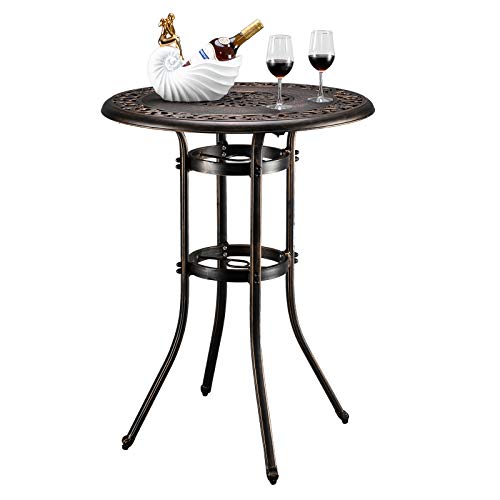
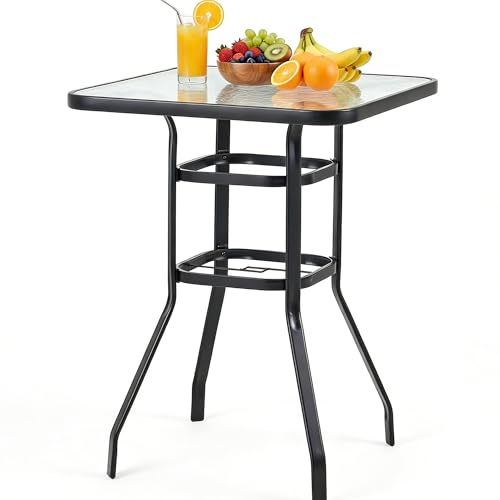
A bar height patio table with an umbrella hole is an outdoor dining table that stands taller than a standard patio table — typically around 40 to 42 inches — and includes a pre-drilled opening in the center or offset position for a patio umbrella pole. The hole is usually between 1.5 and 2 inches in diameter, though exact sizes vary by manufacturer.
These tables are designed to pair with bar height patio chairs or bar stools rather than standard dining chairs. The combination creates a pub-style outdoor seating area that feels more social and relaxed than a conventional dining setup. If you prefer a more complete package, a bar height outdoor table and chairs with umbrella hole set bundles matching seating with the table.
Key Benefits of a High-Top Table with Shade
Built-In Shade Anchor
The umbrella hole gives your parasol a stable, centered position — no separate stand cluttering the patio floor.
Elevated Sightlines
Bar height seating puts guests at eye level with standing hosts, making the table ideal for casual entertaining.
Compact Footprint
A 36-inch square bar table seats four in a footprint that fits comfortably on small patios and balconies.
Better Airflow
Raising the table surface improves breeze circulation around diners on hot days compared with low dining sets.
Visual Separation
High-top tables visually define an outdoor bar or conversation zone without walls or dividers.
Easier Cleaning
Fewer contact points with the ground and a single central pole make sweeping and wiping straightforward.
Dimensions and Sizing: Getting the Height Right
Height consistency is the single most important measurement. A bar height table needs stools or chairs with a seat height that leaves roughly 9 to 12 inches of clearance between the seat and the tabletop. Mismatched heights cause knee bumps and awkward posture.
| Table Style | Typical Table Height | Matching Seat Height | Seats |
|---|---|---|---|
| Counter height | ~36 in | 24–26 in | 2–4 |
| Bar height (standard) | 40–42 in | 28–30 in | 2–4 |
| Bar height (large) | 40–42 in | 28–30 in | 6 |
| Extra tall / pub style | 42–44 in | 30–32 in | 2–4 |
For length, a general rule is 24 inches of table edge per diner. A four-person square table needs roughly 36 to 40 inches per side. A six-person rectangular table usually measures 60 to 72 inches long. If you are working with a narrow space, review the bar height outdoor table options that favor compact round and square shapes.
Umbrella Hole and Base: The Details That Matter
The umbrella hole itself is simple, but the supporting system determines whether your shade stays upright in a gust. Three factors deserve attention:
- Hole diameter: Most poles measure 1.5 inches, but some are 1.375 or 2 inches. Confirm the table opening matches your umbrella pole, or use a reducing ring.
- Offset versus center: Center holes are the most common and pair naturally with a weighted base beneath the table. Offset holes allow an umbrella to sit beside the table — useful if the table has a fire feature in the middle.
- Base weight: A weighted base is not optional. Through-table umbrellas rely on the base for stability; a base rated for the umbrella canopy span is essential in exposed settings.
- Wind vent: A vented canopy lets gusts pass through, reducing leverage on both pole and table. Look for umbrellas described as wind-vented.
- Table anchoring: Heavier table frames resist umbrella-induced wobble. Powder-coated steel and cast aluminum frames generally offer the most stability.
If you want the flexibility to swap between shade and warmth, a bar height patio dining set with fire pit sometimes routes the center opening for a fire bowl instead of a pole. Decide early whether shade or flame is the priority for your center opening.
Materials and Construction: What Holds Up Outdoors
Bar height tables live outside year-round in many climates, so material quality matters more than with indoor furniture. The tier framework below describes relative market positioning, not any specific figure.
| Material | Market Tier | Best For | Care Level |
|---|---|---|---|
| Powder-coated aluminum | Entry-level to mid-range | Balconies, humid climates | Low — wipe and rinse |
| High-grade steel | Mid-range | Windy, exposed patios | Moderate — inspect for rust |
| Cast aluminum | Mid-range to premium | Heavy-duty residential use | Low — occasional cleaning |
| Teak or acacia hardwood | Premium | Natural-look patios | Moderate — seasonal sealing |
| HDPE / resin | Essential tier | Salt-air coastal settings | Very low — soap and water |
| Cast aluminum with stone top | Luxury | High-end entertaining | Low — protects from impact |
For the tabletop itself, slatted aluminum drains rainwater well, glass tops offer a clean look but need care against chipping, and solid stone or composite tops are the most substantial but also the heaviest. A rust-proof finish and a weather-resistant coating are baseline expectations for any table intended to stay outdoors. To protect your investment across seasons, review the broader outdoor care resources on maintenance and winter storage.
Choosing the Right Seating for Your High-Top Table
Bar height patio chairs and stools are not interchangeable with standard dining chairs. The seat must be tall enough to reach the table comfortably, and the footprint must be stable enough that guests do not tip backward when leaning. Backless stools tuck fully under the table and suit tight spaces; chairs with backs are more comfortable for long meals.
Swivel chairs add convenience in tighter setups because guests can rotate in place rather than pushing the chair back. For a matched look, explore bar height patio set with swivel chairs configurations, or browse individual bar height patio chairs if you are building the set piece by piece. Additional seating options are available in the bar outdoor seating category.
Layout, Placement, and Space Planning
A bar height table works best when it is given room to breathe. Plan for 30 to 36 inches of clearance around the table edge so chairs can pull out without hitting walls or planters. On a balcony, position the table so the umbrella canopy does not overhang railings into neighboring space; canopies are wider than the table itself.
- Measure the umbrella canopy span, not just the pole, before finalizing placement.
- Check whether the umbrella tilts or rotates — a tilt mechanism needs overhead clearance.
- Keep the base fully under the table and on a flat surface to prevent rocking.
- Leave a walkway of at least 30 inches between the table and any railing or door.
- For small-space inspiration, see the small patio layout guide.
Buying Checklist: What to Confirm Before You Commit
- Height match: Table height and seat height leave 9 to 12 inches of clearance.
- Umbrella hole size: The opening matches your umbrella pole diameter or includes an adapter ring.
- Base included: Confirm whether a weighted base ships with the table or must be purchased separately.
- Frame material: Powder-coated aluminum, high-grade steel, or cast aluminum suited to your climate.
- Wind rating: Ventilated canopy and a base rated for the umbrella span.
- Seating count: Square tables seat four; 60 to 72 inch rectangles seat six.
- Assembly requirements: Check whether tools are included and whether two people are needed.
- Coverage: Review warranty terms and available protective covers for off-season storage.
If you are also comparing fire-centered layouts, the bar height patio table with fire pit guide covers the alternative to shade-focused tables. And if you prefer a slightly lower profile, the bar height outdoor table with umbrella hole overview compares frame styles side by side.
Frequently Asked Questions
What is the standard height of a bar height patio table?
Most bar height patio tables stand between 40 and 42 inches tall, paired with bar stools that seat at 28 to 30 inches. Counter height models sit slightly lower, usually around 36 inches, and work with stools in the 24 to 26 inch range.
What size umbrella fits a bar height patio table with an umbrella hole?
For a square or round bar table that seats four, a 7.5 to 9 foot umbrella is a common fit. Larger rectangular bar tables seating six or more generally pair well with a 9 to 11 foot umbrella, provided the table's hole diameter matches the umbrella pole.
Do I need a base for the umbrella on a bar height table?
Yes. Through-table umbrellas need a weighted base beneath the table to stay stable in wind. Some tables include a built-in base plate, while others require a separate base rated for the umbrella's span. A heavier base is recommended for exposed, windy settings.
How many people can sit at a bar height patio table?
A square bar table around 36 to 40 inches wide typically seats four. Round bar tables in the same range also seat four comfortably. Rectangular bar tables measuring roughly 60 to 72 inches long can accommodate six diners.
Is a bar height table suitable for small patios?
Yes. Bar height tables with a compact footprint are an excellent choice for small patios and balconies because they use vertical space and often seat four in a footprint similar to a much smaller dining set.
Can I use a regular patio umbrella with a bar height table?
Yes, provided the pole diameter matches the table's umbrella hole and the canopy is sized appropriately for the table. The key compatibility factors are pole diameter, base weight, and canopy span — not the table height itself.