Bar Height Outdoor Table: The Complete Buying Guide
Raise your outdoor entertaining game with a bar height table. Learn how to choose the right size, material, seating capacity, and style for your patio or deck.
A bar height outdoor table transforms the way you gather outside. Standing taller than standard dining tables, it invites casual conversation, keeps drinks within easy reach, and adds a distinct architectural presence to any patio, deck, or balcony. This guide walks you through everything a careful buyer needs to know — from height standards and material durability to seating layouts and design coordination — so you can make a confident decision before you buy.
What Exactly Is a Bar Height Outdoor Table?
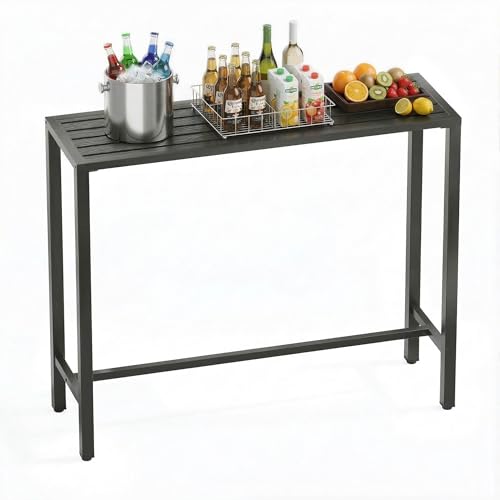
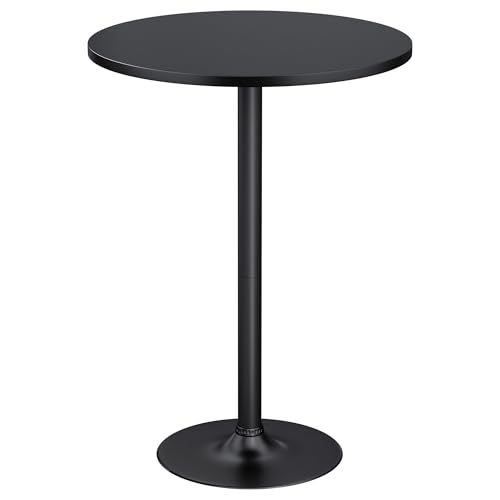
Bar height tables are outdoor dining surfaces built to a taller standard than conventional patio tables. Most bar height models stand around 40 to 42 inches tall at the tabletop, paired with bar stools or chairs that have seat heights of roughly 28 to 30 inches. This is distinct from counter height tables, which sit closer to 36 inches, and standard dining tables, which typically measure 28 to 30 inches.
The taller profile serves several practical purposes. Guests can sit or stand comfortably around the table, which makes it ideal for cocktail-style gatherings, casual meals, and overflow seating near an outdoor kitchen or grill station. The elevated surface also brings the tabletop closer to eye level for standing guests, creating a more social, conversational atmosphere.
If you are still comparing layouts, our guide to the bar height outdoor table and chairs covers matched sets that remove the guesswork of pairing a table with the right stool height.
Why Choose a Bar Height Table for Your Outdoor Space?
Homeowners gravitate toward bar height tables for reasons that go beyond aesthetics. Understanding these benefits helps you decide whether this style fits your lifestyle.
- Space efficiency: A bar height table with a smaller footprint can seat more people than a conventional dining table of the same width, because stools tuck underneath and guests occupy less elbow room.
- Better views: The elevated surface gives seated guests a clearer sightline over railings, planters, and low walls — especially valuable on balconies and decks with a view.
- Casual entertaining: The standing-friendly height encourages mingling, making it a natural anchor for parties and cookouts.
- Visual interest: A taller table breaks up the horizontal plane of a patio and adds depth to the overall design.
- Versatility: Many models work equally well as a dining surface, a prep station near the grill, or a drink station during gatherings.
For a closer look at how bar height tables integrate with surrounding furniture, browse our overview of bar outdoor seating to see how stools, benches, and tables work together.
Key Factors to Consider Before You Buy
Height and Clearance
The single most important measurement is the relationship between tabletop height and seat height. A bar height tabletop typically sits around 40 to 42 inches, and bar stools should leave roughly 10 to 12 inches of clearance between the seat and the underside of the table. Getting this ratio right prevents knee bumps and awkward posture. If you are building a set piece by piece, our guide to bar height patio chairs explains how to match chair height to your table.
Seating Capacity and Table Shape
Bar height tables come in round, square, rectangular, and oval shapes. Round tables encourage conversation and fit well in compact corners. Rectangular tables accommodate larger groups and pair naturally with a row of stools. Consider how many people you regularly host: a four-seat round table suits intimate gatherings, while a six- or eight-seat rectangular model supports bigger parties. Our article on the bar height outdoor dining set for 6 explores layouts for medium-sized groups.
Material and Weather Resistance
Outdoor furniture lives through sun, rain, and temperature swings, so material choice matters. Common options include:
- Powder-coated aluminum: Lightweight, rust-resistant, and easy to move — a strong choice for humid climates.
- Steel: Heavier and very sturdy, but requires a quality rust-proof finish to last outdoors.
- Teak and acacia hardwood: Naturally weather-resistant and rich in character; teak is the more durable of the two and typically sits in a higher tier.
- Wicker and rattan (natural or synthetic): Warm, textured looks; synthetic versions handle moisture far better than natural weaves.
- Concrete or stone composite: Extremely heavy and stable, ideal for windy exposed locations.
For a deeper dive into material trade-offs, see our comparison of metal versus aluminum furniture and our care guide for wicker and rattan pieces.
Umbrella Compatibility
If your patio gets strong midday sun, look for a table with a pre-drilled umbrella hole and a stable base. Our guide to the bar height outdoor table with umbrella hole explains how to size the hole and choose a compatible canopy.
Stability and Weight
Taller tables have a higher center of gravity, so a solid base matters. Look for wide leg spreads, cross-bracing, or weighted bases. On windy decks or balconies, heavier materials and leveling feet make a meaningful difference.
Comparing Bar Height Tables by Market Tier
Rather than focusing on numbers, it helps to understand how bar height tables differ across market tiers. The table below summarizes what you can generally expect at each level of the market.
| Tier | Typical Materials | Best For | What to Expect |
|---|---|---|---|
| Entry-level | Powder-coated steel, resin, basic acacia | Occasional use, renters, compact balconies | Lightweight frames and simpler finishes; solid choice for the tier when portability matters |
| Mid-range | Aluminum with quality coating, teak, synthetic wicker | Everyday family use, regular entertaining | Better joints, smoother finishes, and more consistent weather resistance — feature-rich for its class |
| Premium | Solid teak, high-grade stainless steel, composite stone tops | Full-season outdoor living, design-forward patios | Heavy-duty construction, refined detailing, and long-term durability |
| Luxury / commercial-grade | Marine-grade stainless, architectural stone, custom hardwood | Hospitality settings, statement outdoor kitchens | Flagship-tier craftsmanship built to withstand heavy daily use |
Across every tier, the smartest approach is to match the build quality to how often you will actually use the table. A mid-range model with a well-reinforced frame often delivers the most balanced ownership experience for typical households.
Popular Bar Height Table Configurations
Bar height tables come in several configurations, each suited to different spaces and social styles.
Table and Chairs Sets
Matched sets take the guesswork out of height pairing. Explore the bar height outdoor table and 4 chairs layout for compact patios, or step up to the six-seat dining set for family meals. Larger households may prefer the bar height outdoor dining table for 8, which supports bigger gatherings without sacrificing the casual bar height feel.
Bistro and Balcony Sets
For small balconies and urban terraces, a bar height outdoor bistro table and chairs delivers the café-style experience in a minimal footprint.
Fire Pit Tables
Combining warmth and dining in one piece, a bar height outdoor dining table with fire pit extends the usable season into cooler evenings. Pair it with matching chairs through our guide to the bar height fire pit table and chairs.
Swivel Chair Sets
Swivel chairs make it easy to turn from conversation to view. See our article on the bar height outdoor dining set with swivel chairs for setups that prioritize flexibility.
Design and Placement Tips
Placement determines whether a bar height table feels like a natural extension of your patio or an afterthought. Keep these principles in mind:
- Allow walking clearance: Leave at least 30 to 36 inches of space behind stools so guests can move freely.
- Anchor it visually: Place the table near a focal point such as a fire pit, outdoor kitchen, or view, and define the zone with an outdoor rug.
- Coordinate heights deliberately: Avoid mixing bar height and standard height furniture in the same conversation zone unless the layout clearly separates them.
- Think about shade: Position the table where an umbrella or pergola can provide afternoon relief.
- Mind the wind: On exposed decks, choose heavier bases and avoid lightweight canopies that catch gusts.
If your space is tight, our guide to small patio ideas shows how bar height pieces can maximize usable area. For balcony-specific advice, see the balcony decor guide.
Care and Maintenance Basics
Bar height tables reward a little routine care with years of service. Wipe down surfaces after meals, rinse metal frames periodically to remove pollen and dust, and apply a suitable sealant to hardwood once a season. During off-season months, use fitted covers to protect the finish. Our weatherproofing guide and patio furniture cover guide walk through the details, while the winter storage guide helps you protect taller pieces during cold months.
Ready to see bar height tables that fit your patio? Explore curated options matched to your space and style.
Explore Bar Height TablesFrequently Asked Questions
What is the standard height of a bar height outdoor table?
Most bar height outdoor tables measure around 40 to 42 inches at the tabletop. They are designed to pair with bar stools that have seat heights of roughly 28 to 30 inches, leaving about 10 to 12 inches of clearance.
How many people can a bar height table seat?
It depends on the table's dimensions and shape. A round table typically seats two to four people, while rectangular models can accommodate six or eight. Taller stools tuck underneath more easily, which can make a bar height table feel more space-efficient than a standard dining table of similar width.
Can I use bar height tables on a balcony?
Yes, provided you account for weight limits and stability. Choose lighter materials such as aluminum for upper-floor balconies, and make sure the table has a stable base. For balcony-specific layouts, see our balcony decor guide.
Are bar height tables comfortable for eating meals?
They can be very comfortable when the seat-to-table clearance is right and the stools have footrests. Many owners use them for casual meals and gatherings rather than long formal dinners.
What material is best for a bar height outdoor table?
Powder-coated aluminum is an excellent all-around choice for humid climates, while teak offers premium durability and natural beauty. The best material depends on your climate, usage frequency, and design preferences.
Do bar height tables work with umbrellas?
Many do, provided they have a pre-drilled umbrella hole and a sturdy base. Check our guide to the bar height outdoor table with umbrella hole for sizing advice.