Porch Swing Buying Guide: Types, Frames & Materials
Everything you need to know before choosing a porch swing — from hanging options and frame styles to materials, comfort features, and safety considerations. Make a confident, well-informed decision for your outdoor retreat.
Why this guide matters: A porch swing is more than furniture — it is a daily invitation to slow down. But the wrong swing, frame, or mounting setup can lead to discomfort, premature wear, or safety concerns. This guide walks you through every decision point so you can match the right swing to your porch structure, climate, and lifestyle.
Types of Porch Swings
Porch swings come in several distinct configurations, each suited to different spaces and use cases. Understanding the differences helps you narrow your search quickly.
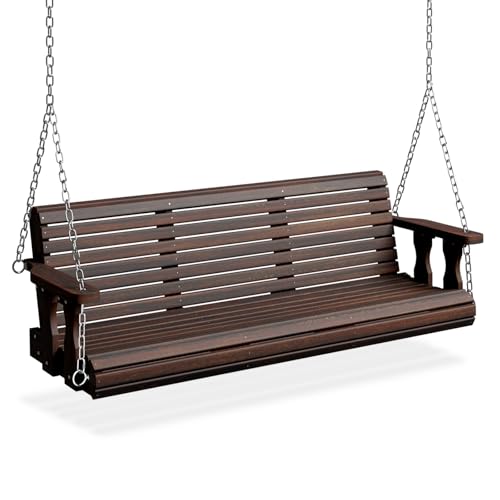
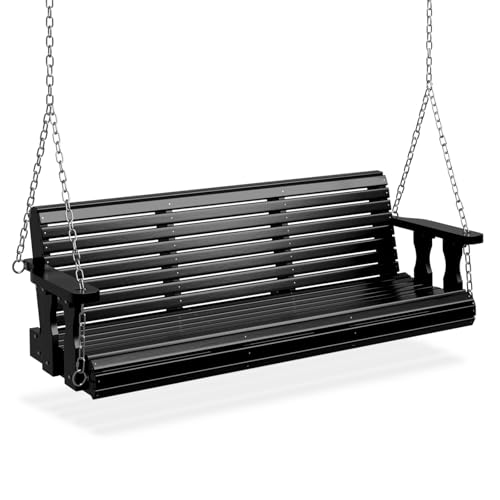
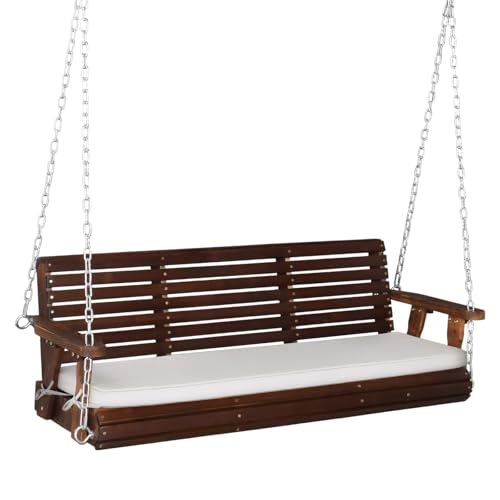
Hanging Porch Swing
The classic design, suspended from chains or ropes attached to an overhead beam, ceiling joist, or tree branch. Hanging swings deliver the familiar pendulum motion and are the most traditional choice for covered porches. They require a structurally sound overhead anchor point and sufficient clearance to swing freely.
Porch Glider Swing
A porch glider swing combines the look of a swing with a sliding mechanism mounted on a fixed frame. The motion is a smooth back-and-forth glide rather than an arc, and no overhead support is needed. This makes gliders a strong option for open decks, patios, and porches without a suitable ceiling structure.
Porch Swing Bed
A porch swing bed expands the concept into a full lounging platform — large enough to stretch out, read, or nap. These are typically heavier and demand more robust hanging hardware and overhead support. They suit spacious porches and covered decks where relaxation is the priority.
Porch Swing Chair
A porch swing chair is a single-seat version, ideal for compact porches, balconies, or solo lounging. These are lighter and easier to hang, but still deliver the same soothing motion.
Swing with Fold-Down Cup Holder
For entertaining or long afternoons with a drink in hand, a porch swing with fold-down cup holder adds practical convenience without cluttering the seating area.
Hanging vs. Freestanding Frames
One of the first decisions you will face is whether to hang your swing or use a freestanding frame. The right choice depends on your porch structure, surface, and whether you rent or own.
Hanging Swings
Hanging requires a reliable overhead anchor — typically a ceiling joist, beam, or a dedicated swing hanger kit. Advantages include a clean look, unobstructed floor space, and the authentic pendulum feel. Considerations: you must verify structural capacity, and installation can be more involved.
Freestanding Frames
A porch swing frame or porch swing with stand eliminates the need for overhead support entirely. These frames rest on a flat surface and hold the swing via an integrated A-frame or arc structure. They are ideal for:
- Concrete patios and decks without overhead beams
- Rentals where permanent hardware is not permitted
- Open yards where you want flexibility to reposition the swing
- Porches with ceilings that cannot bear a dynamic load
Freestanding frames are typically heavier and take up more floor area, so measure your space before choosing. Many frames are designed to accommodate swings of a specific width, so confirm compatibility.
Practical tip: If you are unsure about your porch structure, a freestanding frame removes the guesswork. If you prefer the hanging look, consult a contractor or building inspector to confirm your anchor point can handle the swing's weight plus dynamic motion.
Materials and Durability
The material of your porch swing affects its look, maintenance requirements, and lifespan. Here is how the main options compare.
| Material | Best For | Maintenance | Weather Resistance |
|---|---|---|---|
| Wood (cedar, teak, pine) | Classic aesthetics, natural warmth | Periodic sealing or repainting | Good with proper treatment |
| Powder-coated aluminum | Low-maintenance, rust-resistant | Minimal — wipe clean | Excellent |
| Powder-coated steel | Heavy-duty frames, structural strength | Minimal — inspect for chips | Very good |
| Poly lumber | Weatherproof, wood-look finish | Minimal — soap and water | Excellent |
| Wicker / rattan (natural or synthetic) | Coastal, bohemian style | Moderate — keep covered | Varies; synthetic is more durable |
Wood Swings
Wood remains the most popular choice for its timeless look and the ability to refinish and repair over time. Cedar and teak offer natural rot resistance, while pine is a solid choice when properly sealed. For a broader look at wooden outdoor furniture care, see our poly furniture and poly lumber guides.
Metal Swings
Powder-coated aluminum and steel are excellent for humid or coastal climates. A powder-coated aluminium frame resists rust and keeps weight manageable, while steel frames provide heavy-duty support. Inspect coatings annually for chips and touch up as needed.
Poly Lumber
Poly lumber is a high-grade synthetic material that mimics wood grain while resisting moisture, rot, and insects. It is heavier than wood but essentially maintenance-free — a long-term investment for homeowners who prefer minimal upkeep.
Comfort and Seating Capacity
A porch swing should comfortably seat the number of people you plan to host. Standard widths range from compact single-seat chairs to full three-person benches. Consider these factors:
- Seat depth and back angle: Deeper seats with a slight recline are more comfortable for long lounging sessions.
- Cushions: Removable, quick-dry cushions extend comfort and are easier to store or replace. Look for UV-resistant fabrics.
- Armrests: Wide armrests add support and often incorporate cup holders or small trays.
- Weight capacity: Confirm the rated capacity for the swing and the hanging hardware. Larger swings and swing beds require higher-rated hardware.
If you plan to use the swing for reading, napping, or extended lounging, a porch swing that converts to a bed offers dual functionality. For smaller spaces, a single-seat porch chair or a compact glider may be a better fit.
Installation and Safety
Proper installation is critical — a porch swing carries dynamic loads that exceed its static weight. Follow these guidelines:
- Verify the anchor point: For hanging swings, attach only to structural beams or ceiling joists rated for the load. Never hang from decorative trim or drywall alone.
- Use rated hardware: Select chains, bolts, and hangers rated for at least the swing's total weight plus occupants. Check for corrosion resistance if outdoors.
- Maintain clearance: Allow enough space for the swing to move freely without hitting walls, railings, or furniture.
- Level the surface: Freestanding frames require a flat, stable surface. On uneven ground, use shims or leveling feet.
- Inspect periodically: Check chains, bolts, and frame joints for wear or loosening every season.
Safety note: If your porch lacks a suitable overhead anchor, choose a freestanding model rather than improvising. A porch swing with stand is engineered to distribute load safely across its base.
Care and Weatherproofing
Routine care extends the life of your swing and keeps it looking its best:
- Wood: Clean with mild soap and water; reapply sealant or paint every one to two years depending on climate.
- Metal: Wipe down regularly; touch up chips in powder coating to prevent corrosion.
- Poly: Wash with soap and water; no sealing required.
- Cushions: Use quick-dry, UV-resistant fabrics; store or cover during off-season.
- Hardware: Lubricate chain links and inspect bolts seasonally.
For more on protecting outdoor furniture, see our porch furniture care resources and porch and patio maintenance guides.
Quality Tiers Explained
Porch swings fall into broad quality tiers. Rather than focusing on numbers, use these descriptors to understand relative positioning:
| Tier | Typical Characteristics | Best For |
|---|---|---|
| Entry-level | Simpler construction, basic hardware, lighter frames | Occasional use, seasonal setups, first-time buyers |
| Mid-range | Improved frame rigidity, smoother hardware, better cushions | Regular use, families, standard porches |
| Premium | Heavy-duty construction, refined finishes, higher weight capacity | Daily use, larger swings, long-term outdoor placement |
| Luxury / commercial-grade | Top-tier materials, precision hardware, designed for high-frequency use | High-traffic porches, hospitality settings, maximum longevity |
Mid-range models typically offer the best balance of durability and comfort for most homeowners. Entry-level options suit lighter use, while premium and luxury tiers are worthwhile investments for daily enjoyment and harsh climates.
Frequently Asked Questions
What is the difference between a porch swing and a porch glider?
A porch swing hangs from chains or ropes and moves in a pendulum arc, while a porch glider sits on a fixed frame with a sliding mechanism. Gliders require no ceiling or overhead support, making them ideal for porches without a suitable hanging structure.
How much weight can a porch swing hold?
Weight capacity varies by model and construction. Entry-level swings typically support two adults, while mid-range and premium models with reinforced frames often carry higher rated capacities. Always check the manufacturer's stated weight limit and ensure your hanging hardware and overhead support are rated accordingly.
Do I need a porch swing stand?
A stand is necessary if you lack a suitable overhead beam, ceiling joist, or tree branch. Freestanding frames let you place the swing anywhere on a flat surface and are especially useful on concrete patios, decks, and rental properties where permanent hanging hardware is not an option.
What material is best for a porch swing?
Wood offers a classic look and can be refinished over time. Powder-coated aluminum and steel resist rust and require minimal upkeep. Poly lumber is a heavy-duty, weather-resistant option that mimics wood grain without rotting or splintering. The best choice depends on your climate, maintenance preferences, and design goals.