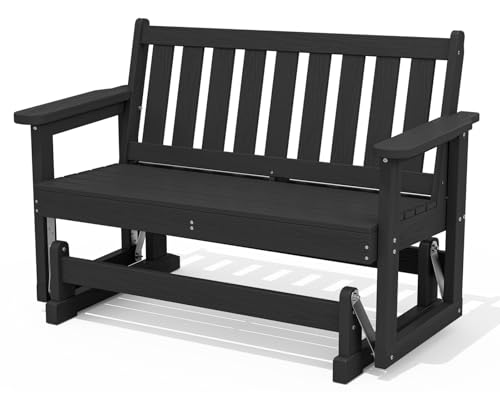
Porch Glider Swing: The Complete Buying Guide
Everything you need to know about choosing a gliding porch swing — frame types, materials, sizing, cushion care, installation, and safety — so you can pick the right model with confidence.
Explore Recommended GlidersWhy this guide matters: A porch glider swing is a long-term investment in comfort and outdoor living. Unlike a standard hanging swing, a glider uses a smooth side-to-side mechanism that requires no overhead support and delivers a quieter, more stable ride. This guide walks you through the decisions that actually affect your satisfaction — mechanism quality, frame durability, cushion performance, and footprint — so you can compare models on equal footing.
What Is a Porch Glider Swing?
A porch glider swing is a freestanding or bench-style seat that glides forward and backward along a metal track or pivoting arm system. Because the motion runs on bearings and tracks rather than chains, gliders tend to feel more grounded and produce less noise than hanging swings. Most models seat two adults comfortably, and many are designed to sit directly on a porch floor or deck without any ceiling anchoring.
If you are still deciding between a glider and a traditional hanging swing, it helps to understand the difference in motion and installation. A porch swing relies on chains, ropes, or a frame, while a glider's self-contained mechanism simplifies placement. For buyers who want the gliding feel without a full bench, a porch glider in a compact chair format is a practical alternative.
Porch Glider vs. Hanging Porch Swing
| Feature | Porch Glider Swing | Hanging Porch Swing |
|---|---|---|
| Motion | Smooth forward-and-back glide | Arcing swing on chains or ropes |
| Installation | Freestanding; no ceiling support needed | Requires ceiling joists or a swing frame |
| Noise level | Quiet bearing-based movement | Chains or ropes may creak over time |
| Stability | Grounded and stable for all ages | Can sway more in wind |
| Best for | Porches, decks, patios | Porches with overhead structure |
For many households, the deciding factor is installation flexibility. A glider can go almost anywhere on a flat surface, while a hanging swing needs structural anchoring. If your porch lacks overhead support, browsing porch swings with stands or a porch swing frame can bridge that gap, but a glider remains the simpler path.
Types of Porch Glider Swings
Gliders come in several configurations, and the right type depends on your seating goals, available footprint, and how many people will use it.
Two-Seat Bench Glider
The most popular format. Seats two adults comfortably and works well on most residential porches. Mid-range and premium models typically add deeper cushions and smoother bearing systems. If you want a seat that pairs with a small table, a porch table completes the setup.
Single-Seat Glider Chair
Ideal for smaller porches, balconies, or reading corners. Single gliders are lighter and easier to reposition. A dedicated porch chair glider blends well with other seating, while a full bench anchors the space.
Glider with Cup Holders or Fold-Down Arms
Convenience features like built-in cup holders and fold-down armrests make longer lounging sessions more comfortable. These options appear most often in mid-tier and high-end tier models.
Outdoor Glider with Canopy
A canopy or sunshade attachment is useful for uncovered decks and sunny patios. These models are heavier but provide shade without a separate umbrella.
Frame Materials: Wood, Aluminum, and Resin
Frame material drives durability, maintenance, and weight. Use the comparison below to match material to your climate and willingness to maintain the piece.
| Material | Durability | Maintenance | Best For |
|---|---|---|---|
| Solid wood | High with proper care | Sealing or painting every season | Classic porches, covered spaces |
| Powder-coated aluminum | Excellent rust resistance | Minimal; wipe down occasionally | Humid climates, year-round use |
| Resin / poly lumber | Very high weather resistance | Wash with soap and water | Low-maintenance households |
| Wrought iron or steel | Heavy-duty and stable | Touch-up paint for chips | Windy porches, classic styling |
Wood gliders deliver timeless character but demand seasonal upkeep. If low maintenance matters most, explore poly furniture and poly gliders, which resist moisture, insects, and fading. For buyers who prefer a painted metal finish, powder-coated outdoor furniture offers a durable, chip-resistant surface. Those building or repairing wooden pieces may want to understand poly lumber as a modern alternative to traditional timber.
Glide Mechanism: What Separates Good from Great
The glide mechanism is the heart of the product and the most common point of failure over time. Entry-level gliders often use simple nylon bushings, which work fine for occasional use but can develop squeaks. Mid-range models typically upgrade to sealed bearings and heavier pivot arms, delivering smoother motion and longer service life. Top-tier and commercial-grade gliders often use reinforced steel tracks and precision bearings for near-silent movement.
- Entry-level tier: Basic bushing system, suitable for light use.
- Mid-range: Sealed bearings and sturdier pivot arms for daily use.
- Premium and high-end tier: Reinforced tracks, smoother action, and better load distribution.
If smoothness matters to you, prioritize the mechanism over decorative details. A well-engineered glide makes a bigger day-to-day difference than a fancier armrest.
Sizing Your Porch Glider Swing
Measure twice before choosing. A glider needs clearance in front and behind its travel path, plus room to walk past. Most two-seat gliders are roughly bench-width, while single gliders fit tighter spaces. As a rule of thumb:
- Allow at least two feet of clearance in front of the glider for the glide path and legroom.
- Leave walkway space on at least one side.
- Confirm the porch floor is flat; uneven surfaces stress the glide mechanism.
- For narrow spaces, compare with a porch bench if you need fixed seating instead of motion.
Cushions, Upholstery, and Comfort
Cushions dramatically affect comfort and appearance, but they are also the first component to show wear. Look for quick-dry foam and solution-dyed fabrics if the glider sits in humid or rainy conditions. Removable, machine-washable covers extend usable life. Premium models often use denser foam that resists flattening.
If you are refreshing an existing glider rather than buying new, replacement cushions are widely available and cost far less than a new frame. Coordinating with porch decor — throw pillows, rugs, and lighting — helps the glider feel integrated rather than added on.
Installation and Safety Checklist
Freestanding gliders are straightforward to install, but a few checks prevent problems down the line.
- Place the glider on a level, solid surface — concrete, composite decking, or tightly fitted wood.
- Follow the manufacturer's assembly instructions exactly, especially for pivot arm torque.
- Use two people for assembly; glider frames are awkward and heavy.
- Check the stated weight capacity and stay within it.
- Keep children supervised; the glide path can pinch fingers.
- Anchor or store the glider during high-wind events if it is lightweight.
Maintenance and Seasonal Care
A few habits keep a glider working smoothly for years:
- Lubricate the glide mechanism annually with a manufacturer-approved lubricant.
- Clean the frame with mild soap and water; avoid abrasive cleaners on powder-coated finishes.
- Store or cover cushions during off-season months.
- Touch up paint chips on metal frames promptly to prevent corrosion.
- Inspect bolts and pivot points each season and tighten as needed.
If your glider shares a covered porch with other seating, a consistent care routine across all pieces saves time. For broader porch upkeep, see our related notes on porch and patio care.
How to Compare Gliders by Tier
Because gliders span a wide quality range, comparing by tier keeps the decision clear and avoids overpaying for features you do not need.
| Tier | Typical Characteristics | Best For |
|---|---|---|
| Entry-level | Basic bushings, lighter frames, simpler cushions | Occasional use, covered porches |
| Mid-range | Sealed bearings, sturdier frame, better foam | Daily use, most households |
| Premium | Reinforced tracks, weather-resistant finishes, deeper cushions | Year-round use, high-comfort goals |
| Luxury / commercial-grade | Heavy-duty construction, precision hardware, premium upholstery | Heavy use, long-term investment |
Matching the Glider to Your Porch Style
A glider should feel like part of the porch, not an afterthought. Wood and wrought iron suit traditional and farmhouse porches; powder-coated aluminum and resin fit modern and coastal spaces. Neutral cushion colors age better, while accent pillows can shift with the season. If you want a fully coordinated look, a matching porch rocking chair or porch rockers rounds out the seating arrangement.
For very small spaces, a porch swing chair can deliver a similar relaxed feel without the footprint of a bench. For buyers who enjoy versatility, a porch swing that converts to a bed is worth a look when lounging is the priority.
Frequently Asked Questions
What is the difference between a porch glider swing and a regular porch swing?
A glider moves forward and back on a track or pivot mechanism, while a hanging swing arcs on chains or ropes. Gliders are quieter, need no overhead support, and tend to feel more stable.
How much weight can a porch glider swing hold?
Capacity varies by model. Entry-level gliders typically support two average adults; mid-range and premium models often use reinforced frames rated higher. Always check the manufacturer's stated limit.
Do porch glider swings require assembly?
Most ship partially assembled. Entry-level models may need more assembly, while premium models often arrive mostly pre-assembled. Plan for basic tools and a second person.
What materials are best for a porch glider swing?
Wood suits classic covered porches, powder-coated aluminum resists rust in humid climates, and resin offers the lowest maintenance. Choose based on climate and upkeep preferences.
Can a porch glider swing be left outside year-round?
Powder-coated aluminum and resin models generally handle year-round exposure. Wood gliders benefit from a protective cover or storage during harsh winters.
Final Buying Advice
Prioritize the glide mechanism and frame durability over cosmetic extras. A mid-range glider with sealed bearings and a weather-resistant frame will usually deliver better long-term satisfaction than an entry-level model with more decorative features. Match the material to your climate, measure your porch carefully, and plan for cushion care from day one.
When you are ready to compare specific options, our recommended picks below are grouped for easy browsing. You can also revisit related guides on porch furniture and porch and patio living for a fully coordinated space.