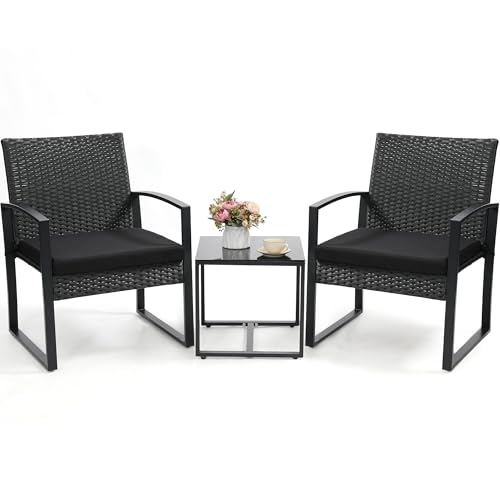
Porch Chair Buying Guide: Comfortable Seating for Your Porch
Discover how to choose the right porch chair for comfort, durability, and style — from rocking chairs to gliders and swing chairs.
START EXPLORINGWhy a porch chair matters: A porch chair is more than furniture — it is where you greet the morning, unwind after work, and connect with neighbors. This guide helps you understand styles, materials, and features so you can choose seating that fits your porch and your lifestyle.
Why Invest in a Quality Porch Chair
A porch is a transitional space between the indoors and the outdoors, and the right chair defines how you use it. Whether you have a compact front stoop or a deep wraparound veranda, a well-chosen porch chair transforms a pass-through area into a destination. The chair you select affects comfort during long conversations, durability through changing seasons, and the overall visual harmony of your home's exterior.
Porch chairs are also an expression of hospitality. A pair of welcoming chairs signals to guests that your porch is a place to linger. When you plan carefully, your porch seating becomes a long-term investment in your home's outdoor living experience. For a broader view of porch furnishing, explore our porch furniture guide, and for complementary pieces, consider porch and patio ideas.
Porch Chair Styles: Find Your Fit
Porch chairs come in several distinct styles, each with its own character and comfort profile. Understanding these categories helps you narrow your search before you compare specific models.
Rocking Chairs
Rocking chairs are the classic porch icon. The gentle motion is soothing, and the design suits traditional, farmhouse, and coastal homes alike. Look for a smooth rocker curve and a seat depth that supports your back without sliding. If you love motion, our porch rocking chairs and porch rockers guides cover frame types and safety considerations. For a portable option, see portable folding rocking chair.
Gliders
Gliders offer a back-and-forth glide rather than a rock, and they tend to feel more stable for people who prefer a controlled motion. They work well on porches with limited clearance because the mechanism moves within a fixed frame. Explore porch glider options and the poly glider category for weather-friendly builds.
Swing Chairs
A porch swing chair combines the appeal of a swing with the footprint of a single seat. These are ideal for reading nooks and small porches. Compare porch swing chair models, and if you want a full swing, review porch swing and porch swing with stand options.
Benches and Companion Seating
If you regularly host two or more people, a bench or a paired chair arrangement is efficient. A porch bench anchors a larger porch, while two matching chairs create conversational symmetry. Pair them with a porch table for drinks and small items.
Swings and Specialty Seats
For a lounge feel, a porch swing bed or a porch swing that converts to a bed adds versatility. A porch swing with fold-down cup holder is practical for entertaining. If you are shopping around, our porch swings for sale overview explains what to compare.
Materials and Durability
Porch chairs face sun, rain, humidity, and temperature swings. Material choice is the single biggest factor in longevity.
Wood
Wood is warm, traditional, and repairable. Teak and cedar resist moisture naturally, while pressure-treated and painted woods need periodic sealing. If you prefer wood, read our pressure treated wood for outdoor furniture guide and consider poly lumber as a low-maintenance alternative.
Poly and Resin
Poly furniture mimics wood while resisting moisture, insects, and fading. It is heavier than wood but requires little upkeep. Review poly furniture for construction details and finish options.
Metal
Aluminum is lightweight and rust-resistant, especially with a powder-coated finish. Steel is heavier and strong but needs coating integrity to prevent corrosion. See powder coated outdoor furniture and powder coated aluminium outdoor furniture for finish guidance.
Wicker and Rattan
Wicker and rattan bring texture and a relaxed look. Synthetic weaves hold up better outdoors than natural fibers. Explore rattan chairs outdoor and rattan accent chair styles.
Comfort Features to Evaluate
Comfort is subjective, but several measurable features consistently matter:
- Seat height and depth: A seat height that lets your feet rest flat reduces strain. Deeper seats suit lounging but can be hard to rise from.
- Back support: A gently contoured back with lumbar support helps during long sits. High backs suit taller users.
- Armrests: Armrests aid getting in and out and support your posture. Wider arms accommodate cups and books.
- Cushions: Outdoor-grade foam and quick-dry fabrics improve comfort; removable covers simplify cleaning. See our cushion guidance in the porch decor resources.
- Motion mechanism: Rockers need a stable base; gliders need smooth bearings. Test the motion where possible.
Sizing Your Porch and Planning Layout
Measure before you shop. A chair needs clearance to recline or rock and room to walk past. On narrow porches, angle chairs toward the entry or pair a single chair with a small table. For small spaces, portable and folding designs such as a portable outdoor chair or portable chair can be stored when not in use.
If your porch opens to a pool or patio, coordinate seating with pool patio furniture and poolside loungers so the transition feels intentional. A poolside couch can extend the seating zone when space allows.
Quality Tiers and What to Expect
To compare chairs without focusing on price, use a tier framework. Entry-level chairs typically use lighter frames and basic finishes; mid-range models usually add reinforced joinery and better cushions; premium and luxury tiers focus on solid builds, marine-grade hardware, and refined finishes. Professional-grade and commercial-grade options target heavy daily use with thicker frames and replaceable components.
A balanced-tier chair is often the best fit for a residential porch: it offers durable construction and comfortable cushions without the weight or specialization of commercial seating. If you want a long-term investment, prioritize joinery quality, finish warranty, and availability of replacement parts. Our quality outdoor furniture guide explains what separates tiers in practice.
Care and Maintenance
Simple habits extend the life of any porch chair. Rinse frames seasonally, tighten fasteners, and store cushions during heavy rain. Wood benefits from annual sealing; metal benefits from touch-up paint on chips. For broader upkeep advice, see porch furniture care notes and porch decor seasonal tips.
Matching Chairs to Your Porch Style
Traditional homes suit rocking chairs and wood benches; modern homes pair well with clean-lined aluminum or powder-coated frames; coastal homes favor light finishes and synthetic wicker. A consistent material and finish across seating creates visual calm. If you plan to mix, keep the scale similar and repeat one material or color.
For inspiration beyond the chair itself, consider porch and patio layouts and porch decor accents such as rugs and lighting. If you are furnishing a larger outdoor area, porch furniture clearance pages are useful for completing a set over time.
Frequently Asked Questions
How many porch chairs do I need?
Two chairs suit most porches and support conversation. A single chair works for narrow spaces or reading corners. Add a bench only if you regularly host groups.
Are rocking chairs safe on all porches?
Rocking chairs need a level surface and enough clearance behind and in front. On uneven or narrow porches, a glider or stationary chair is often safer.
What is the most weather-resistant material?
Powder-coated aluminum and poly lumber resist moisture and sun well. Wood requires more maintenance but can last decades with sealing.
Should I buy cushions separately?
Many chairs accept standard cushion sizes. Check seat dimensions and choose quick-dry outdoor foam for best results.