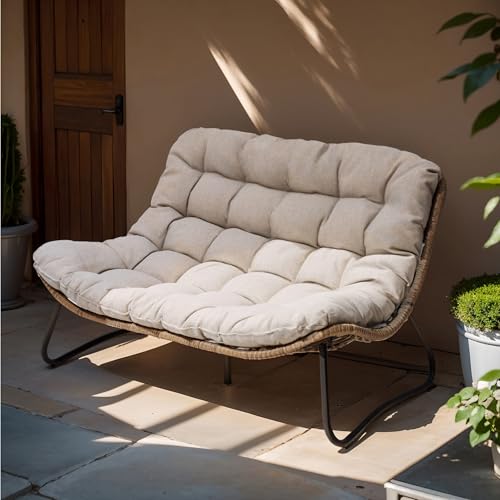
Poolside Couch: The Complete Buying & Design Guide
Everything you need to choose a poolside couch that survives splashes, sunlight, and chlorine — while making your pool deck feel like a resort lounge.
Why this guide matters: A poolside couch is one of the most exposed pieces of furniture you will ever own. It sits in the splash zone, faces constant UV, and absorbs humidity that quietly destroys ordinary patio sofas. This guide walks you through the materials, layouts, and maintenance habits that separate a couch that lasts a decade from one that fades in a single season.
What Makes a Couch "Poolside-Ready"?
A poolside couch is not simply a patio sofa placed near water. It is a piece engineered — or at least selected — for three specific stressors: chlorine and salt exposure, persistent moisture, and intense reflected sunlight. Water reflects UV rays upward, so the underside of cushions and the lower frame receive more sun damage than on a shaded porch.
That combination rules out several common outdoor materials. Untreated steel rusts quickly. Cotton-blend cushion covers hold water and grow mildew. Solid wood frames can warp and crack when they cycle between wet and dry. A true poolside couch uses frames and fabrics that tolerate repeated wet-dry cycles without degrading.
If your pool deck is a shared lounging area, it also helps to think of the couch as part of a broader seating plan. Many homeowners pair a couch with pool chairs and a poolside table to create a conversation zone that stays functional when guests are wet.
Frame Materials Compared
The frame is the skeleton of your couch, and it decides how long the piece survives near water. Here is how the main options perform in a pool environment.
| Frame Material | Water & Chlorine Resistance | Weight & Portability | Best For |
|---|---|---|---|
| Powder-coated aluminum | Excellent — rust-proof when coating is intact | Lightweight, easy to reposition | Most pool decks; the default recommendation |
| Stainless steel (marine grade) | Very good — resists rust and salt | Heavier, stays put in wind | Coastal pools and windy decks |
| Powder-coated steel | Moderate — chips expose rust-prone metal | Moderate weight | Sheltered pool areas with low splash |
| Teak or sealed hardwood | Good if oiled regularly; warps if neglected | Heavy | Design-focused decks with a maintenance routine |
| Resin / poly lumber | Excellent — impervious to moisture | Moderate to heavy | High-humidity pools and low-maintenance setups |
| Wicker over aluminum | Good if synthetic; poor if natural rattan | Light to moderate | Resort-style aesthetic with a solid inner frame |
For most buyers, powder-coated aluminum is the safest starting point. It is light enough to move when you reconfigure the deck, and a quality coating keeps rust away for years. If your pool sits near the coast, step up to marine-grade stainless steel or a premium aluminum build with reinforced welds. You can learn more about coating durability in this guide to powder-coated aluminum patio furniture.
Cushion Fabrics: The Real Dealbreaker
Frames get the attention, but cushions decide comfort and longevity. Poolside cushions face the toughest conditions of any outdoor textile. The best options share two traits: they resist water absorption and they hold color under UV.
Solution-Dyed Acrylic
This is the benchmark for poolside upholstery. The pigment is added to the fiber before it is spun, so color does not wash out or fade from the surface. It also resists chlorine, salt water, and mildew better than most alternatives. Cushions in this category sit in the premium tier and are the most reliable long-term choice for a couch that will get splashed regularly.
Olefin
Olefin is a mid-range option with strong water resistance and good colorfastness. It dries quickly and handles humidity well, though it can feel slightly less soft than acrylic. It is a solid choice for a mid-tier poolside couch where comfort and durability need to balance.
Polyester Blends
Polyester blends are common in entry-level outdoor furniture. They can be treated for water resistance, but the treatment wears off over time, and the fabric tends to fade faster under reflected pool light. They work for covered or lightly splashed areas but are not ideal for a couch sitting directly beside the water.
Quick cushion check
Look for cushions with zippered, removable covers and quick-dry foam cores. Removable covers can be washed, and quick-dry foam releases water instead of holding it like a sponge. A cushion that stays damp for days is a mildew risk regardless of fabric quality.
If your couch uses loose cushions, consider storing them during heavy rain or long idle periods. A breathable storage bag or a covered deck box keeps them dry without trapping humidity.
Layout and Sizing for Pool Decks
Poolside seating works best when it respects the walking path around the water. A couch placed too close to the edge creates a trip hazard and guarantees constant splash exposure. Aim for at least three feet of clear space between the couch and the pool edge, and keep the main circulation route open.
Small Decks
A two-seat loveseat or a compact modular unit fits most small pool decks. Modular pieces are especially useful because you can separate them into individual chairs when the deck feels crowded. Pair a small couch with poolside loungers for sunbathing and you get two distinct zones without overcrowding.
Medium and Large Decks
A three-seat couch with a matching coffee table anchors a full conversation area. On larger decks, an L-shaped sectional defines the lounge zone and leaves room for a dining corner. If your deck also hosts meals, a poolside dining table on the opposite side keeps wet lounging and dry dining separate.
Orientation Matters
Face the couch toward the pool but position it slightly back from the splash line. This gives guests a view of the water without subjecting the upholstery to constant spray. On windy decks, orient the back of the couch toward the prevailing wind to shield the seating area.
For a deeper look at deck layouts that combine seating, shade, and circulation, see this collection of pool furniture ideas.
Comfort Features Worth Prioritizing
Poolside lounging is a different kind of sitting than dining or working. Guests are relaxed, often wet, and staying for long stretches. Prioritize these features:
- Deep seat depth: A seat depth of around 25–28 inches allows reclined lounging without sliding forward.
- Quick-dry seat cores: Mesh-bottom seat decks and ventilated foam prevent water pooling.
- Low-maintenance armrests: Wide, flat armrests double as drink rests and are easier to wipe down than padded arms.
- Removable back cushions: Easier to dry, rotate, and store when the pool is not in use.
- UV-stable frame coating: Prevents the frame from becoming hot to the touch and resists chalking.
If you want a couch that works as a daybed, look at poolside designs with a chaise extension or an adjustable back. Some homeowners combine a couch with a dedicated pool lounger to cover both upright seating and full recline.
Maintenance Routine for a Poolside Couch
A poolside couch does not need heavy maintenance, but it does need a consistent, light routine. The goal is to prevent moisture and chlorine from sitting on surfaces for long periods.
- Rinse weekly: A quick hose-down with fresh water removes chlorine residue and salt before it settles into seams.
- Dry cushions upright: After rain or a pool session, stand cushions on edge so water drains and air circulates.
- Wipe the frame monthly: Use a damp cloth with mild soap. Avoid abrasive cleaners that can scratch powder coating.
- Cover during idle periods: A breathable cover protects the couch during off-season weeks without trapping condensation.
- Inspect hardware seasonally: Tighten bolts and check for coating chips. Touch up small chips to stop rust before it spreads.
For a broader seasonal checklist, see this guide to weatherproofing outdoor furniture.
Poolside Couch vs. Other Seating Types
Not every pool deck needs a couch. Comparing the main seating options helps you decide where a couch fits in your overall layout.
| Seating Type | Best For | Trade-Off |
|---|---|---|
| Poolside couch | Conversation, long lounging, shaded relaxation | Takes up more deck space than individual chairs |
| Pool lounge chairs | Sunbathing and full recline | Less social; harder to group for conversation |
| In-water pool chairs | Cooling off while seated | Limited to shallow ledges; not for dry lounging |
| Modular sectional | Flexible layouts on larger decks | More pieces to move, clean, and store |
Many well-designed pool decks combine all three: a couch for conversation, pool lounge chairs for sunbathing, and pool chairs in water for the shallow ledge. This layered approach gives guests options without crowding one zone.
Common Buying Mistakes to Avoid
- Choosing fabric before frame: A premium cushion on a rust-prone steel frame is still a short-lived couch. Start with the frame.
- Ignoring reflected UV: Pool water doubles sun exposure on the underside of furniture. UV-stable materials matter more here than on a shaded porch.
- Skipping the splash buffer: A couch placed right at the waterline will be wet more often than it is dry. Leave breathing room.
- Buying for looks only: Resort-style photos often feature natural rattan and cotton cushions — beautiful, but poor performers near chlorinated water.
- Forgetting storage: Loose cushions need a dry place during storms. Plan storage before you buy.
Frequently Asked Questions
What material is best for a poolside couch?
Powder-coated aluminum frames paired with solution-dyed acrylic cushions are the most reliable combination. Aluminum resists rust and stays light enough to reposition, while solution-dyed acrylic resists chlorine, salt, and fading better than most outdoor fabrics.
Can a regular patio couch be used beside a pool?
A standard patio couch can work near a pool if the frame is rust-resistant and the cushions are quick-drying. Wood frames, untreated steel, and cotton-blend cushions are poor choices because splashing, humidity, and chlorine accelerate deterioration.
How do I protect a poolside couch from chlorine and splashes?
Rinse the frame and cushions with fresh water periodically, let cushions dry fully before replacing them, and use a breathable cover during long idle periods. Placing the couch slightly away from the splash zone and on a raised surface also reduces constant wet exposure.
What size poolside couch fits a small pool deck?
A two-seat loveseat or a modular corner unit typically fits small pool decks better than a full three-seat sofa. Measure the walking clearance around the pool edge first; you generally want at least three feet of clear path between the couch and the water.
Ready to Choose Your Poolside Couch?
Use the checklist above to shortlist frames and fabrics, then compare the recommended models below to find the right fit for your deck.
Compare Poolside Couches