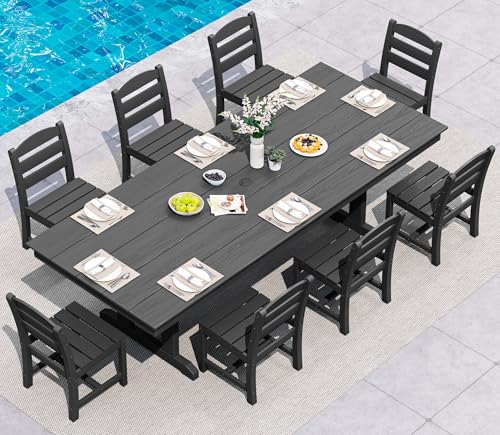
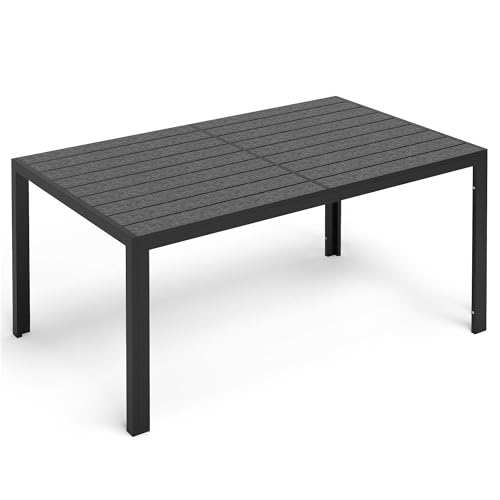
Poolside Dining Table: The Complete Buying Guide
Everything you need to know before choosing a dining table for your pool area — materials, sizes, styles, and maintenance tips for a table that thrives in a wet, sun-exposed environment.
Why a dedicated poolside dining table matters: A table placed near a pool faces conditions that regular patio furniture never sees — constant splashing, chlorinated water, intense UV exposure, and humidity. Choosing the right one means understanding how materials behave around water, how much space you truly need, and which features keep the table stable on wet decking. This guide walks you through each decision so you can select confidently.
Understanding the Poolside Environment
A poolside dining table lives in one of the harshest outdoor microclimates on a property. Water splashes constantly, chlorinated or saline moisture settles on surfaces, and the sun reflects off the water to double the UV load. Any table you place within a few feet of the pool must be selected with these realities in mind. The right choice is not simply a pretty table — it is a table engineered to resist moisture infiltration, surface degradation, and structural fatigue from repeated wet-dry cycles.
Beyond durability, the poolside setting also demands practical thinking about safety and circulation. A wet deck can be slippery, so table legs should be stable and not prone to sliding. Chairs and table edges should not create tripping hazards near the water. If you are still planning the overall layout of your pool area, our guide to pool furniture covers how tables, loungers, and shade fit together into a coherent, functional arrangement.
Materials: What Works Best Near Water
The material of your poolside dining table is the single most important decision you will make. Each material reacts differently to chlorinated water, salt air, direct sun, and humidity. Below is a breakdown of the most common options and how they perform in a poolside setting.
Powder-Coated Aluminum
Aluminum is inherently rust-resistant, and a powder-coated finish adds a durable layer that resists chipping and fading. This is one of the most reliable choices for poolside use. The coating protects the metal from chlorinated water and keeps the frame stable and lightweight. Look for powder-coated aluminum outdoor dining tables that specify a marine-grade or outdoor-rated coating for maximum longevity.
Teak & Hardwoods
Teak and similar dense hardwoods contain natural oils that repel water and resist rot. They develop a silver-gray patina over time if left untreated, which many homeowners find attractive. Hardwood tables are heavy and stable, making them a solid choice for windy pool decks. Periodic sealing helps maintain the finish. If you prefer the look of wood but want enhanced weather resistance, explore pressure-treated wood for outdoor furniture as an alternative.
Poly Lumber & Resin
Poly lumber — also called polywood or HDPE — is a synthetic material that will not rot, splinter, or absorb water. It performs exceptionally well around pools because it is impervious to moisture and easy to clean. Poly furniture is available in many colors and mimics the look of painted wood. For a deeper look at this material, see our guide to poly lumber and the broader category of poly furniture.
Wrought Iron & Steel
Traditional metal tables are sturdy, but plain iron and steel will rust when exposed to pool water unless they carry a robust protective coating. If you choose metal, confirm that the frame is galvanized or powder-coated with an outdoor-rated finish. Uncoated or thinly coated metal is a poor match for poolside conditions and will deteriorate quickly.
Glass Tops
Tempered glass tops are attractive and easy to wipe down, and they resist water completely. However, glass can become slippery when wet and may show water spots if not wiped regularly. A glass top paired with an aluminum or poly frame is a practical, low-maintenance combination for poolside dining.
Composite & Stone
Composite tops that mimic stone or concrete offer a premium look and are highly water-resistant. They are heavy, which adds stability, but that weight also makes them harder to move. These tables are a good fit for a permanent poolside dining setup where the table will not need to be rearranged frequently.
Sizes and Shapes: Matching the Table to Your Space
The size and shape of your poolside dining table should be driven by three factors: the number of people you typically seat, the available deck space, and the walking clearance around the table. A table that is too large crowds the pool area and creates a safety concern; one that is too small fails to serve your household.
Seating Capacity Guidelines
- Two to four people: A square table around 36 to 40 inches per side, or a small round table, works well for a compact poolside nook.
- Four to six people: A rectangular table roughly 60 to 72 inches long provides comfortable elbow room for everyday family meals.
- Six to eight people: An 84-inch rectangular table or a large round table (around 60 inches in diameter) accommodates larger gatherings without feeling cramped.
Shape Considerations
Round tables promote conversation and have no sharp corners, which is a subtle safety advantage on a busy pool deck. Rectangular tables maximize seating along a narrow deck or alongside a pool edge. Oval tables split the difference — they seat a crowd while softening the footprint. Whatever shape you choose, plan for at least 36 inches of clearance between the table edge and any wall, planter, or pool edge so chairs can be pulled out comfortably.
Height Options
Standard dining height (around 28 to 30 inches) is the most comfortable for full meals and works well for mixed-age groups. Counter-height and bar-height poolside tables create a more casual, resort-like feel and pair naturally with tall stools or pool chairs. Just keep in mind that higher tables can be less stable in wind and may not suit young children or older guests as well.
Quality Tiers: What to Expect at Each Level
Poolside dining tables fall into broad quality tiers based on construction, material grade, and finish durability. Understanding these tiers helps you align your expectations with the level of use your table will see. The descriptors below are relative — each tier represents a different balance of longevity and refinement.
| Tier | Typical Construction | Best For |
|---|---|---|
| Entry-level | Thinner aluminum frames or basic resin; simpler joinery; shorter finish warranty | Occasional use, covered poolside areas, or seasonal setups |
| Mid-range | Powder-coated aluminum with reinforced joints, or solid poly lumber; better hardware | Regular family use on exposed decks; a solid balance of durability and refinement |
| Premium | Marine-grade aluminum, thick poly lumber, or kiln-dried hardwood; high-grade finishes | Frequent entertaining and full-sun exposure; strong long-term resilience |
| Luxury / top-tier | Architectural-grade frames, premium teak, custom finishes, commercial-grade hardware | Permanent high-end poolside installations and design-forward spaces |
Practical note: A mid-range table with a well-applied powder coating often performs nearly as well as a premium model for typical residential poolside use. The jump from mid-range to premium usually buys thicker materials, finer finishes, and longer warranties rather than dramatically different day-to-day performance.
Stability, Safety, and Placement
Near a pool, stability is not a luxury — it is a safety requirement. A table that wobbles on a wet deck or shifts in the wind creates a real risk. Look for tables with wide-set legs, adjustable leveling feet, and a low center of gravity. Heavier materials such as composite or hardwood are inherently more stable, but well-designed aluminum tables with broad bases can be equally secure.
Consider the surface under the table as well. Smooth pool decking can become slick, so rubberized or capped feet help grip the surface. If your table will sit on an uneven or sloped deck, adjustable feet are essential. For a cohesive layout, pair your dining table with complementary seating — our collection of poolside loungers and poolside couch options shows how to build a unified seating zone around the table.
Wind is another factor. Pool areas are often more exposed than sheltered patios. If your location experiences strong gusts, a heavier table or one with the option to anchor the legs is a smart choice. Umbrellas paired with the table should use a weighted base — see our notes on choosing a proper pool umbrella base for guidance.
Buying Checklist: What to Confirm Before You Decide
- Frame material is explicitly rated for outdoor or poolside use
- Finish is powder-coated, sealed, or otherwise moisture-resistant
- Table dimensions leave at least 36 inches of clearance on all seating sides
- Legs are stable on wet, potentially sloped decking
- Hardware is rust-resistant (stainless or coated)
- Table height matches your intended chairs or stools
- Assembly instructions are clear and parts are weather-sealed
- Warranty covers finish and structural integrity for a reasonable period
Maintenance: Keeping Your Table Pool-Ready
Even the most resilient poolside table benefits from routine care. A simple maintenance rhythm keeps the finish intact and extends the table's service life:
- Rinse after heavy use: A quick rinse with fresh water removes chlorine and salt residue that can dull finishes over time.
- Wipe down weekly: Use a mild soap solution and a soft cloth to remove water spots and sunscreen residue.
- Inspect hardware seasonally: Tighten bolts and check for early signs of corrosion on screws and joints.
- Protect during off-season: If your table stays outside year-round, a fitted cover reduces UV exposure and debris buildup.
- Re-seal wood annually: Hardwood tables benefit from a fresh coat of outdoor-rated sealant once a year.
For broader care guidance that applies to all your outdoor pieces, our outdoor care section covers cleaning, storage, and seasonal protection in detail.
Coordinating Your Poolside Dining Area
A dining table rarely stands alone. The most inviting poolside setups combine the table with complementary pieces that share materials and visual weight. If your table is aluminum or poly, matching chairs in the same material create a clean, cohesive look. If you have a hardwood table, consider rattan chairs outdoor for a warmer, textured contrast.
Smaller accent tables can bridge the gap between the dining zone and the lounging zone. A poolside table placed near the loungers holds drinks and sunscreen without crowding the dining area. For a full overview of pool-area furniture categories, the pool patio furniture hub is a useful starting point.
Ready to Choose Your Poolside Dining Table?
Browse our curated selection of pool-ready dining tables and compare features, materials, and tiers side by side.
View Recommended TablesFrequently Asked Questions
What material is best for a poolside dining table?
Powder-coated aluminum and poly lumber are the most reliable choices for poolside use because they resist moisture, chlorinated water, and UV exposure without rotting or rusting. Hardwoods like teak are also excellent if properly sealed.
How much space do I need around a poolside dining table?
Plan for at least 36 inches of clearance between the table edge and any wall, planter, or pool edge. This allows chairs to be pulled out comfortably and keeps walkways safe.
Can I leave a poolside dining table outside all year?
Yes, if the table is made from a weather-resistant material with a durable finish. A fitted cover during the off-season will further protect the surface and hardware from debris and prolonged UV exposure.
Is a glass-top table safe near a pool?
Tempered glass is safe and easy to clean, but it can become slippery when wet and may show water spots. It works well when paired with a sturdy, rust-resistant frame and wiped down regularly.
Should I choose a round or rectangular poolside dining table?
Round tables are safer (no sharp corners) and promote conversation, while rectangular tables maximize seating along a narrow deck. Choose based on your space shape and typical group size.