In-Water Pool Chairs
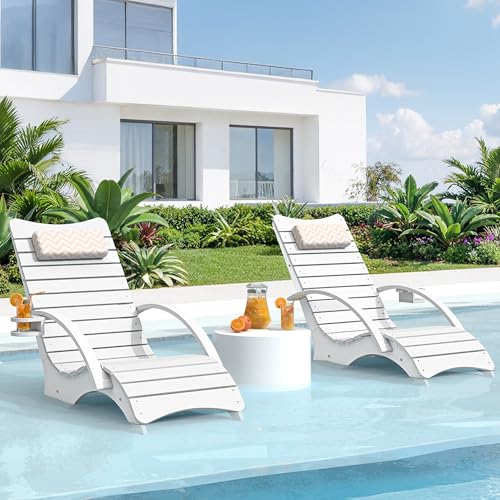
These chairs sit inside the pool, usually on a shallow shelf or the pool floor. They keep your lower body cool while you stay seated and social. Best for conversation, cooling off, and shallow-entry pools.
Essential tier
From in-water chairs that keep you cool to rust-proof lounge chairs that survive season after season, this guide breaks down every pool chair style, material, and setup so you can choose with confidence.
Explore Recommended Pool ChairsA pool chair lives a harder life than a standard porch and patio chair. It faces chlorinated or salt water, splashing, wet swimsuits, intense reflected sunlight, and frequent drying cycles. That combination accelerates corrosion, fabric breakdown, and frame fatigue. Pool chairs are engineered around three priorities: corrosion resistance, quick drying, and stability on wet surfaces.
This is why pool furniture often uses powder-coated aluminum instead of steel, resin slings instead of upholstered cushions, and wide feet instead of thin legs. If you are also outfitting the surrounding deck, our pool furniture guide covers the broader setup, while this page focuses specifically on seating. For a fuller view of the whole poolside zone, the pool patio furniture overview is a useful companion read.
Before comparing materials, decide what you actually want the chair to do. The right style depends on whether you want to sit in the water, on the ledge, or beside the pool.
These chairs sit inside the pool, usually on a shallow shelf or the pool floor. They keep your lower body cool while you stay seated and social. Best for conversation, cooling off, and shallow-entry pools.
Essential tierLow-profile loungers designed for the pool's wet deck or shallow ledge. Your body reclines while partially submerged. Ideal for sunbathing without fully leaving the water.
Balanced tierClassic recliners placed on the deck beside the pool. The most versatile category: adjustable backrests, quick-dry slings, and frames built for wet environments.
Essential tierFull-length chaise lounges with multi-position backs and flat recline for tanning. Often paired with a side table. Choose models rated for wet decks and salt air.
Mid-tierWide, flat lounging platforms for two or for full-body relaxation. Typically premium or luxury tier, with heavier frames and thicker quick-dry padding.
Premium tierDining-height or armchair-style seating for socializing, reading, and drinks. Often paired with a poolside table to form a conversation zone.
Entry-levelMany pool owners mix two or three styles: in-water chairs for cooling off, loungers for sunbathing, and upright chairs for social seating. If your pool has a shallow shelf, in-water pool chairs and pool ledge lounge chairs are the most directly relevant. For full-length reclining on the deck, start with pool lounge chairs and pool chaise lounges.
Material choice is the single biggest factor in how long a pool chair lasts. Use the table below to compare the most common frame and seat materials used around pools.
| Material | Best For | Durability Notes | Maintenance |
|---|---|---|---|
| Powder-Coated Aluminum | Most poolside chairs and loungers | Rust-resistant, lightweight, strong for its weight; coating protects against chlorine and salt | Rinse after use; inspect for chips |
| Marine-Grade Polymer / Resin | In-water and ledge seating | Fully waterproof, unaffected by chlorine, no corrosion risk | Wipe down; minimal upkeep |
| High-Grade Steel (treated) | Heavier fixed loungers | Solid build but requires intact coating; chips are a corrosion risk | Touch up coating promptly |
| Textilene / Sling Fabric | Quick-dry seats and backs | Fast drying, UV-stable, breathable; resists mold when dried properly | Rinse and air dry |
| Quick-Dry Foam Cushions | Premium loungers and pool beds | Open-cell foam drains water; cover fabrics resist fading | Store when not in use |
| Wicker / Rattan (synthetic) | Decor-forward poolside seating | All-weather synthetic weaves hold up well; avoid natural rattan near water | Brush and rinse |
If rust prevention is your top concern, our dedicated guide to pool lounge chairs that don't rust goes deeper into coatings, hardware, and joint construction. For a broader look at coating technology, see powder-coated outdoor furniture and powder-coated aluminium outdoor furniture.
Use this checklist to evaluate any pool chair before you commit. It is organized around the factors that most often cause buyer regret.
Pool chairs need clearance to recline and to be walked around. As a practical rule, allow roughly 24 to 30 inches of width per chair and enough depth behind each lounger for the backrest to fully recline without hitting a wall or planter. Leave a clear walking path of at least 36 inches along the pool edge.
For most family pools, four to six seats is a comfortable baseline: a mix of two to four loungers and two upright chairs. If you entertain often, add a poolside couch or a pool bed to create a lounge zone separate from the sunbathing row. Small pools and compact decks benefit from stackable loungers and folding designs, which you can explore alongside lightweight foldable lounge chairs.
Line up two to four pool chaise lounge chairs parallel to the pool edge, spaced evenly, with a shared poolside table between pairs for drinks and sunscreen. This layout maximizes sun exposure and keeps the walking path clear.
If your pool has a sun shelf or wet deck, place in-water chairs or ledge lounge chairs directly on the shelf. This creates a cool, conversation-friendly zone where guests can sit together without fully exiting the water.
Pair a lounger with a shade umbrella and a stable base. Our pool umbrella base guide explains how to keep umbrellas secure on windy decks. Add a poolside lounger with a multi-position back so the same chair works for reading in shade and tanning in sun.
Combine two upright poolside couches or armchairs with a low table to form a seating cluster away from the splash zone. This balances sunbathing rows with a place to talk, eat, and relax.
Even the best pool chair will degrade faster without basic care. Rinse frames and slings with fresh water after heavy chlorine or salt exposure, and let them air dry fully before stacking or covering. Inspect powder-coated surfaces for chips each season and touch them up promptly — small chips are the starting point for corrosion.
Store removable cushions and quick-dry pads indoors during off-season months. For a full seasonal routine, see our weatherproofing guide. If your chairs sit on a covered porch part of the year, the porch furniture care advice also applies.
⚠️ AFFILIATE DISCLOSURE: This website contains affiliate links. As an Amazon Associate, we earn from qualifying purchases. If you make a purchase through these links, we may receive a small commission at no additional cost to you. Read our full affiliate policy.




The information provided on PatioFocus is for educational and informational purposes only. We are not professional landscapers or contractors, and our content should not replace professional advice. Always consult with a qualified expert regarding structural, safety, or weather-related concerns. Some content may use AI assistance. Always check product warranties and safety standards before purchasing. If you do not agree, please do not use this website. Read the full disclaimer.