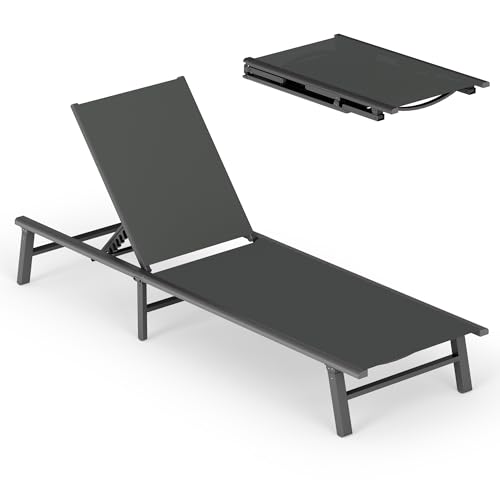
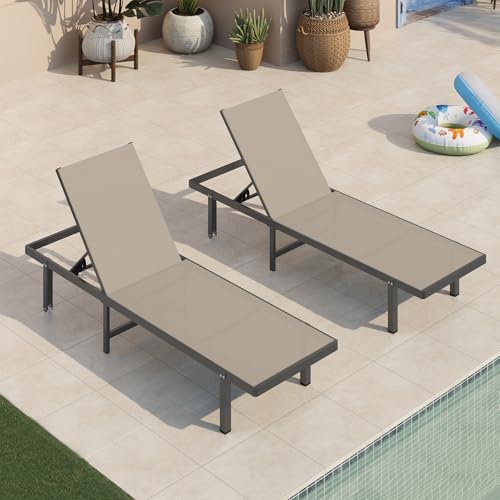
Pool Lounge Chairs That Don't Rust: The Complete Buyer's Guide
Chlorinated water, blazing sun, and humid air are brutal on poolside furniture. Learn which frame materials and finishes genuinely resist rust so your loungers stay solid, safe, and stylish for seasons to come.
COMPARE MATERIALSWhat You'll Find in This Guide
- Why Poolside Chairs Rust So Fast
- Rust-Resistant Materials Compared
- Aluminum: The Poolside Standard
- Resin and Poly: Zero-Metal Options
- Stainless Steel Done Right
- Wicker, Rattan, and Composite Weaves
- Hardware, Fasteners, and Hidden Rust Traps
- Shopping Checklist and Tier Guide
- Maintenance That Extends Chair Life
- Frequently Asked Questions
If you have ever pulled a lounger out of storage after one summer and found orange streaks running down the legs, you already know the problem. Pool environments combine three corrosion accelerants at once: chlorinated or salt water, persistent moisture, and intense UV exposure. A chair that survives a covered porch may fail quickly at the water's edge. Choosing pool lounge chairs that don't rust is less about finding a miracle product and more about understanding which materials and construction methods are genuinely suited to wet, sunny, chemical-heavy conditions.
This guide breaks down the frame materials that hold up, the finishes that matter, the hardware that quietly causes failures, and the practical details that separate a long-lasting lounger from one that degrades within a season or two. Whether you are outfitting a private backyard pool, a hotel deck, or a compact apartment terrace, the same principles apply.
Why Poolside Chairs Rust So Fast
Rust is the visible result of iron oxidizing in the presence of water and oxygen. Poolside settings accelerate this process in ways that inland patio settings do not. Splash zones keep legs and joints continuously damp. Evaporation concentrates minerals and chlorine on metal surfaces. Saltwater pools and coastal air introduce chloride ions, which are especially aggressive toward ordinary steel. Add direct sun that degrades protective coatings over time, and the corrosion timeline shortens dramatically.
Not all metals rust in the same way. Ferrous metals — those containing iron — are the primary concern. Standard steel, mild steel, and many cast iron components will corrode unless they are heavily protected by paint, powder coating, or galvanizing. Aluminum does not rust in the traditional sense, but it can oxidize and pit, particularly in salt-heavy environments. Even stainless steel can develop surface discoloration or, in severe cases, pitting if the alloy grade is too low for the exposure. Understanding these distinctions is the key to choosing wisely.
Key insight: A chair marketed as "rust-resistant" may still contain hidden steel fasteners, internal support rods, or springs. The frame material gets the attention, but the small components often fail first. Always check the hardware specification as carefully as the frame.
The goal, therefore, is not just a rust-proof frame but a rust-conscious design: compatible materials throughout, protected joints, drainage-friendly shapes, and finishes that tolerate chipping and scratching without exposing bare metal.
Rust-Resistant Materials Compared
The table below summarizes the materials most commonly used for poolside loungers and how each performs in wet, chlorinated, or salty environments. Tier labels describe relative market positioning, not absolute quality — a well-made mid-range aluminum lounger can outperform a poorly constructed premium resin chair depending on the specifics.
| Material | Rust Risk | Best For | Typical Market Tier | Watch Out For |
|---|---|---|---|---|
| Powder-Coated Aluminum | Very low | All-around poolside use; lightweight moving | Mid-range to premium | Coating chips exposing raw aluminum; thin-gauge frames |
| Anodized Aluminum | Very low | Saltwater pools; high-humidity coastal areas | Premium | Anodizing thickness varies; lower-grade alloys pit |
| Marine-Grade Stainless Steel | Low when correctly graded | High-exposure pool decks; commercial settings | High-end tier | Incorrect alloy grades; tea staining in salt air |
| HDPE Resin / Poly Lumber | None (no metal content) | All-weather permanence; families with kids | Mid-range | Fading in cheap grades; heavy weight |
| Composite / Synthetic Wicker | Low if frame is aluminum | Decorative poolside style | Mid-range to premium | Steel frames hidden beneath the weave |
| Coated Steel | Moderate to high | Covered, low-splash patios only | Entry-level | Coating breaches; rust from the inside out |
If you are still deciding between a dedicated pool lounger and a general-purpose outdoor chair, our guide to pool lounge chairs covers the broader category. If you prefer a chaise-style silhouette, the pool chaise lounge overview explains the differences in recline mechanics and footprint.
Aluminum: The Poolside Standard
Aluminum is the default choice for rust-conscious pool furniture, and for good reason. It contains no iron, so it cannot rust in the conventional sense. It is also light enough that one person can reposition a lounger for cleaning or rearranging, which matters on a wet deck. The critical qualifier is the finish. Raw aluminum forms a thin oxide layer that offers some natural protection, but pool chemicals and salt can cause pitting over time. A quality powder-coated or anodized finish is what makes aluminum genuinely durable.
Powder-Coated Aluminum
Powder coating is an electrostatically applied, oven-cured finish that forms a hard shell around the metal. A well-applied coating resists chipping, UV fading, and chemical attack. The main vulnerability is mechanical damage — dragging a chair across rough concrete or storing it against sharp objects can create a breach. Once exposed, the aluminum beneath will begin to oxidize. Choosing chairs with rounded, protected feet and avoiding metal-on-metal contact during storage extends the coating's life considerably.
For readers comparing outdoor furniture broadly, our guide to powder-coated aluminum patio furniture goes deeper into coating quality and what to look for at inspection.
Anodized Aluminum
Anodizing creates an integrated oxide layer rather than a separate coating, so it cannot chip off in the way paint or powder coat can. The result is highly resistant to corrosion and abrasion, which makes it a strong candidate for saltwater pools and coastal properties. Anodized surfaces can still show water spotting if left wet, and lower-grade anodizing may be thin. The finish is usually matte and metallic, which suits modern and minimalist pool decks especially well.
Tube Thickness and Weld Quality
Two aluminum chairs can look identical in photos yet differ enormously in durability. Wall thickness determines how much abuse the frame tolerates, and weld quality determines whether joints stay tight. Look for smooth, fully formed welds rather than rough tack welds. A slightly heavier frame is generally a better long-term investment than an ultra-light one, provided the weight remains manageable for moving. If you want a broad frame comparison, the pool lounge chairs category page includes detailed buying criteria.
Resin and Poly: Zero-Metal Options
If your priority is eliminating rust risk entirely, resin and poly lumber remove the metal from the equation. High-density polyethylene (HDPE) furniture is engineered for outdoor exposure. It does not absorb water, does not support mold growth on the material itself, and does not corrode. It is also available in realistic wood-grain textures, which makes it a practical substitute where timber would otherwise be the desired look.
Advantages of Resin Loungers
- No metal frame means no rust, regardless of splash exposure.
- Color is usually molded through the material, so scratches are less visible than on painted metal.
- Easy to clean with a hose and mild soap.
- Heavy weight provides stability on windy decks.
Limitations to Consider
- Weight makes seasonal repositioning harder; consider a wheeled model if you move furniture often.
- Lower-grade resin can fade in intense UV. Look for UV-stabilized formulations.
- Recline mechanisms on some resin chairs are simpler than on aluminum counterparts.
- Surface texture may feel warmer to the touch in direct sun than metal or mesh.
Our detailed article on poly furniture explains the material science and compares HDPE to recycled poly blends. If you like the idea of a gliding motion, the poly glider guide covers that specific format. For a full poolside furniture set, the pool furniture hub collects compatible pieces.
Stainless Steel Done Right
Stainless steel is often misunderstood. It resists rust because of a chromium-rich passive layer on its surface, but not all stainless grades perform equally in chloride-rich environments. Grades such as 304 offer good general corrosion resistance, while marine environments call for grades closer to 316, which contains molybdenum for improved chloride resistance. For a pool deck exposed to salt or heavy chemical treatment, specifying the grade matters.
Even correctly specified stainless steel can show "tea staining" — a superficial brown discoloration that is cosmetic rather than structural. Regular rinsing with fresh water and occasional cleaning with a stainless-appropriate product keeps the surface clear. Avoid abrasive pads, which can damage the passive layer, and avoid leaving chlorinated water pooled on flat surfaces.
Practical tip: If a stainless frame is welded, ask how the welds were treated. Poorly passivated welds are common failure points. A light passivation treatment after fabrication restores corrosion resistance at the joint.
Stainless steel is typically positioned at the high-end tier for pool furniture because of material and fabrication expense. It is most justified in commercial or high-exposure settings where the extra corrosion margin pays back over a long service life. For residential pools with normal splash exposure, a quality anodized or powder-coated aluminum lounger often provides sufficient durability with less weight and easier handling.
Wicker, Rattan, and Composite Weaves
Woven furniture brings a resort aesthetic to the pool deck, but the weave is only half the story. The frame beneath determines rust behavior. Natural rattan and wicker are not ideal for continuous pool exposure because organic fibers degrade with moisture. Synthetic wicker made from high-density polyethylene over an aluminum frame is the modern solution: the weave tolerates water and UV, and the aluminum core does not rust.
The critical check is the frame. Some budget-conscious woven chairs use steel frames beneath the weave. Once water penetrates the weave — and it will, through rain, splashing, and cleaning — those steel frames can corrode invisibly, eventually weakening the chair or staining the deck. Look for products that explicitly state an aluminum frame. Our guide to rattan chairs outdoor options explains how to inspect weave density and frame construction. If you are furnishing a poolside seating area beyond loungers, the poolside couch article covers woven sofas designed for the same exposure.
Hardware, Fasteners, and Hidden Rust Traps
Even a perfectly chosen frame can be undermined by incompatible hardware. Stainless steel bolts threaded into aluminum can cause galvanic corrosion if moisture bridges the two metals. Zinc-plated or plain steel fasteners in a wet environment will rust and may stain surrounding materials. Springs, rivets, and adjustment mechanisms are often the first components to fail.
When evaluating a pool lounger, look for the following:
- Stainless steel or aluminum fasteners throughout, not painted steel.
- Plastic or nylon washers at metal-to-metal junctions to prevent galvanic coupling.
- Sealed or capped tube ends so water cannot enter the frame.
- Drainage holes or open profiles that prevent standing water.
- Recline mechanisms with corrosion-resistant pivots and smooth action.
It is also worth checking the underside of the seat and the rear of the backrest — areas that are rarely photographed but frequently show early corrosion. If you are comparing chair formats, our article on pool chairs discusses how seating style affects exposure and drainage.
Shopping Checklist and Tier Guide
Use the following checklist when comparing options. It is designed to help you evaluate construction quality independent of marketing language, and to align expectations with the tier you are shopping within.
| Checkpoint | What Good Looks Like | Why It Matters |
|---|---|---|
| Frame material | Aluminum, anodized aluminum, marine-grade stainless, or full resin | Removes or minimizes iron content |
| Finish quality | Even powder coat, thick anodizing, UV-stabilized resin | Protects against chemical and UV degradation |
| Fasteners | Stainless steel or aluminum; isolated joints | Prevents hidden corrosion and deck staining |
| Drainage | Open tube ends, sloped seat, breathable fabric | Reduces standing water and drying time |
| Recline mechanism | Smooth, sealed pivots; replaceable parts if possible | Mechanisms often fail before frames |
| Weight and portability | Manageable for one person; optional wheels | Easier cleaning and seasonal rearrangement |
| Fabric and cushion | Solution-dyed, quick-drying, mold-resistant | Cushions hold moisture against frames |
Tier Expectations at a Glance
- Entry-level tier: Coated steel or thin aluminum. Adequate for covered patios with occasional splash, but expect finish wear and eventual corrosion at breaches. Inspect hardware carefully.
- Mid-range: Powder-coated aluminum with reasonable tube thickness and decent hardware. The practical sweet spot for most residential pools, provided the coating is intact.
- Premium: Anodized aluminum or high-grade powder coat with isolated hardware and well-sealed joints. Strong choice for saltwater and year-round exposure.
- High-end tier: Marine-grade stainless steel or architecturally specified aluminum with commercial-grade fabrication. Justified for heavy use and long service horizons.
If you are weighing a traditional chaise against a more sculpted lounger, the pool chaise lounge chair guide compares recline ranges and frame styles. For in-water relaxation that avoids the deck entirely, see pool chairs in water. And if you are building a full poolside setup, the pool accessories collection covers complementary pieces such as side tables and umbrellas.
Maintenance That Extends Chair Life
Even rust-resistant materials benefit from a simple care routine. Rinsing chairs with fresh water after heavy pool use removes chlorine and salt residue before they can concentrate. A monthly wipe-down with mild soap and water keeps surfaces clean without introducing harsh chemicals. Avoid pressure washing directly at joints and welds, which can force water into sealed areas and strip protective finishes.
During extended off-season storage, dry chairs thoroughly and store them in a covered area if possible. If outdoor storage is unavoidable, use breathable covers rather than fully sealed plastic, which can trap condensation. Check fasteners and recline mechanisms at the start of each season and tighten or replace as needed. For cushions, follow the manufacturer's drying guidance — trapped moisture against a frame is a common cause of surface discoloration and mold.
Seasonal check: Run a fingertip along the underside of the frame and around welds. Roughness or white powdery residue on aluminum indicates oxidation beginning. Light cleaning and touch-up of any coating breach at this stage prevents more serious deterioration later.
If you are also furnishing shaded areas around the water, the poolside loungers guide covers loungers designed for poolside relaxation beyond the splash zone, and the pool lounger article compares comfort-focused formats. For a lightweight option that can be moved easily, see portable lounge chairs lightweight foldable.
Frequently Asked Questions
Do aluminum pool lounge chairs really never rust?
Aluminum does not contain iron, so it cannot rust in the traditional orange-flaking sense. However, it can oxidize and pit when exposed to chlorinated water or salt air, especially if the protective coating is damaged. Powder-coated and anodized aluminum are the most reliable choices for poolside use. Inspect the finish periodically and touch up any breaches to maintain protection.
Is stainless steel always the best choice for a pool deck?
Stainless steel is highly durable when the grade suits the environment, but it is not automatically superior. Lower grades can discolor or pit in salt air, and poorly treated welds are vulnerable. For most residential pools, a quality anodized or powder-coated aluminum chair offers excellent corrosion resistance with less weight. Marine-grade stainless is most justified in commercial or high-salt settings.
Can synthetic wicker loungers rust?
The synthetic weave itself does not rust, but the frame underneath can. Many woven chairs use aluminum frames, which are ideal. Some entry-level options use steel frames that can corrode invisibly beneath the weave. Always confirm that the frame is aluminum or another non-ferrous material before buying a woven lounger for poolside use.
What are the first signs that a pool chair is starting to corrode?
Watch for orange or brown streaks near joints and fasteners, white powdery residue on aluminum surfaces, bubbling or flaking paint, and stiffness in recline mechanisms. Rust stains on the pool deck are another indicator. Addressing these early — by cleaning, drying, and touching up finishes — can prevent structural weakness.
Are resin chairs suitable for a sunny pool deck?
Yes, provided the resin is UV-stabilized. High-density polyethylene is designed for outdoor exposure and will not rust, rot, or absorb water. Lower-grade resin may fade over time, so check the manufacturer's UV resistance claims. Resin chairs are also heavier than aluminum, which is an advantage in wind but makes frequent repositioning harder.
How can I prevent rust on chairs that have small steel components?
If you already own a chair with some steel hardware, keep it as dry as possible, rinse after pool use, and apply a corrosion-inhibiting spray to exposed fasteners if the manufacturer permits. Replace rusted fasteners with stainless steel equivalents where practical. For new purchases, prioritize chairs with fully non-ferrous construction to avoid the issue altogether.
Ready to Choose a Rust-Resistant Lounger?
Browse our curated selection of pool lounge chairs built with aluminum, resin, and stainless steel frames designed for wet, sunny environments.
VIEW RECOMMENDED OPTIONS