Poolside Table Guide: Sip, Dine & Lounge by the Water
Everything you need to choose the right poolside table — from compact drink stands and side tables to full dining and lounging setups that survive sun, splashes and seasons.
START THE GUIDEWhy a dedicated poolside table matters: A poolside table is the anchor of your pool zone. It holds drinks, snacks, sunscreen and towels within arm's reach, and it defines where lounging ends and entertaining begins. The right pick depends on how you use the water's edge — quick dips, long sunbathing sessions, or full outdoor meals.
What Exactly Is a Poolside Table?
A poolside table is any table designed or positioned for use next to a swimming pool. That covers a wide spectrum: tiny side tables that hold a single drink, low profile coffee-style tables for lounging groups, and full height dining tables for outdoor meals. Because the pool environment is harsh — chlorine, salt, UV, splashing and humidity — the best poolside tables are built from materials that resist water, rust and fading.
Understanding this category helps you shop smarter. If you mainly float and sunbathe, a compact side table paired with poolside loungers may be all you need. If you host lunches by the water, a poolside dining table becomes the centerpiece. And if you want a full seating arrangement, a poolside couch plus a low table creates a complete conversation zone.
Types of Poolside Tables
Poolside tables come in several functional categories. Matching the type to your routine is the single most important decision you'll make.
1. Side & Drink Tables
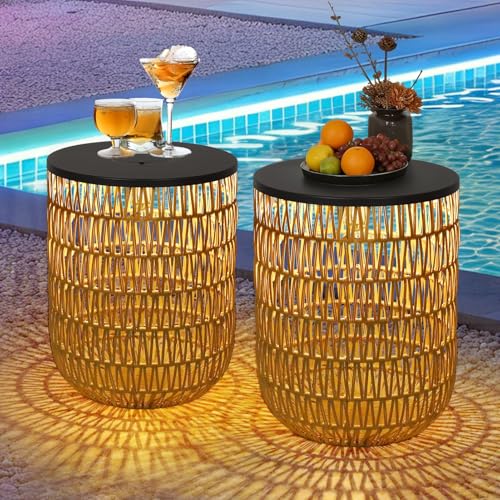
Small, portable and often lightweight, side tables sit right beside a lounger or chair. They're ideal for a drink, a book, a phone or a bottle of sunscreen. Many models fold flat or nest, making them easy to move as the sun shifts. Pair them with pool chairs or pool chaise lounges for a complete relaxation setup.
2. Low Coffee-Style Tables
These sit lower to the ground and work well between lounge seating, sofas and deep chairs. They're great for shared snack platters, a pitcher of drinks and decorative trays. If you have a poolside couch, a low table completes the lounge arrangement.
3. Dining & Bistro Tables
Full-height tables for eating, card games or morning coffee. They pair naturally with dining chairs or bar stools. A poolside dining table works well when your pool area doubles as an outdoor kitchen or entertaining zone. Smaller bistro versions suit tight spaces and balconies.
4. Integrated & Multi-Function Tables
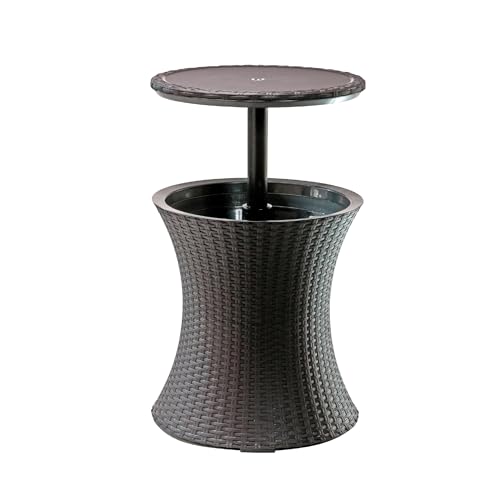
Some poolside tables combine storage, cup holders, ice buckets or even built-in shade. Others are designed as part of a modular pool furniture set. These are convenient for families and frequent entertainers who want fewer loose items around the water.
Materials: What Survives the Pool Environment?
Material choice determines how long your table lasts and how much maintenance it demands. Here's a practical comparison of the most common options.
| Material | Best For | Durability | Maintenance |
|---|---|---|---|
| Powder-Coated Aluminum | Entry-level to premium tiers; everyday poolside use | High — rust-proof frame, lightweight | Low — wipe with mild soap |
| Poly Lumber / Poly Furniture | High-humidity and coastal pools | Very high — won't rot, splinter or absorb water | Very low — rinse and air-dry |
| Teak & Hardwoods | Premium and luxury tiers; natural aesthetic | High — naturally water-resistant oils | Moderate — periodic sealing recommended |
| Resin / Plastic | Starter tier; casual and family use | Moderate — UV-stabilized grades last longer | Low — easy to clean |
| Metal (Steel / Iron) | Formal and heavy-duty setups | Moderate to high — needs rust-proof finish | Moderate — inspect for rust |
| Tempered Glass Tops | Modern and contemporary designs | High — resistant to heat and scratches | Low — streak-free cleaner works best |
Matching the Table to Your Tier
Instead of thinking in terms of numbers, think in terms of position in the market. The descriptors below help you compare options fairly across brands and retailers.
Starter & Entry-Level
Lightweight side tables, folding trays and basic resin models. A solid choice for renters, seasonal use or a secondary table that moves with the sun. Look for UV-stabilized plastic and simple assembly.
Mid-Range
Powder-coated aluminum and mid-grade poly lumber tables. These typically offer smoother finishes, better fasteners and more design variety. A good value for daily use across multiple seasons.
Premium & Luxury
Teak, high-grade aluminum and designer glass-top tables with reinforced frames. Built for long-term investment, often with modular add-ons and refined detailing that holds up in full sun and heavy splash zones.
Relative to entry-level models, mid-range tables usually offer more stable bases and better weather-resistant coatings. Top-tier options focus on joinery, material quality and design longevity rather than extra features. If you're outfitting a larger pool deck, it helps to match the table's tier to the rest of your pool patio furniture so the whole zone feels cohesive.
Sizing & Placement: Getting the Fit Right
A poolside table that's too large crowds the walkway; one that's too small becomes a balancing act. Use these guidelines to plan your layout.
- Side tables: 16–20 inches in diameter is a common sweet spot beside a lounger — enough for a drink, book and phone without blocking the path.
- Coffee-style tables: 30–42 inches in length works well between two lounge chairs or in front of a sofa; keep 15–18 inches of clearance from seating.
- Dining tables: Allow 24–30 inches of table width per seated person. Round tables are more space-efficient in tight pool corners; rectangular tables suit long, narrow patios.
- Walking clearance: Keep at least 36 inches between the table edge and the pool coping so swimmers and servers can pass safely.
- Shade pairing: A table under an umbrella needs a compatible pool umbrella base that won't tip in wind; check base weight and footprint before placing.
Think about the "wet zone" as well. The closer a table sits to the water, the more splash exposure it gets. A low, stable table with weighted feet or a wide base is safer than a tall, narrow pedestal near the edge. If you plan to add seating in the water, our guide to pool chairs in water can help you coordinate the whole setup.
Buying Checklist: What to Look For
- Rust-proof or corrosion-resistant frame — critical near saltwater or chlorinated pools.
- UV-stable finish — prevents fading and chalky surfaces after a season in direct sun.
- Weighted or wide base — reduces tipping risk on windy decks and pool coping.
- Easy-clean surface — smooth tops resist sunscreen stains, bird droppings and drink rings.
- Drainage or slat design — allows rainwater to pass through instead of pooling on the surface.
- Compatible height with seating — side tables should sit level with or slightly below the armrest of your chair or lounger.
- Folding or nesting options — useful if your pool deck doubles as a play or exercise area.
- Long-term serviceability — replaceable feet, hardware and tops extend the life of the table.
Ready to Complete Your Poolside Setup?
Browse our recommended poolside tables and coordinating pool furniture below. Compare materials, sizes and styles to find the right match for your deck.
VIEW RECOMMENDED TABLESKeeping Your Poolside Table in Shape
A poolside table takes more abuse than most patio furniture. Sunscreen, chlorine, salt and constant moisture all take a toll. A simple routine keeps it looking sharp and extends its service life.
Rinse the table after heavy pool use, especially after sunscreen-heavy days. Use mild soap and a soft cloth for powder-coated and poly surfaces; avoid abrasive pads that dull the finish. For teak, a light sanding and re-sealing every year or two keeps the grain protected. Store lightweight side tables out of direct weather during off-season months, or use a fitted cover. For broader seasonal care, see our pool accessories guide and weatherproofing tips.
Frequently Asked Questions
What's the best material for a poolside table?
Can I use a regular patio table next to a pool?
How big should a poolside table be?
Is glass safe for a poolside table?
How do I keep a poolside table from blowing over?
Final Thoughts
A poolside table is a small piece of furniture that has an outsized effect on how your pool area feels and functions. Match the table type to your routine, choose a material that suits your climate and water chemistry, and size it for safe, comfortable movement. Whether you're adding a compact drink stand beside a single lounger or a full dining table for weekend lunches, the right poolside table turns a patch of deck into a place you actually want to spend time.
Explore our related guides to complete the picture: pool furniture, poolside loungers, pool beds, and pool chaise lounge chairs for a fully coordinated outdoor retreat.