Pool Loungers: The Ultimate Guide to Poolside Relaxation
Transform your backyard into a resort-style retreat. Learn how to choose the right outdoor recliners, sun loungers, and in-pool chairs for your space.
START EXPLORINGPatioFocus Philosophy: A pool lounger is more than just a seat—it's an invitation to slow down. Whether you're upgrading a patio or outfitting a new pool deck, our guide will help you navigate materials, styles, and features so you can invest with confidence.
Why the Right Pool Lounger Matters
Your pool area is a sanctuary. It's where you unwind after a long day, host summer gatherings, and soak up the sun on lazy weekends. But a poorly chosen lounger can quickly turn relaxation into discomfort. The wrong material may degrade under chlorine and UV exposure. A flimsy frame may wobble on uneven decking. And a design that doesn't match your outdoor aesthetic can make the whole space feel disjointed.
This guide is designed for homeowners who are ready to buy but want to make sure they get it right. We'll walk you through the key decisions—from frame materials to weight capacity to storage considerations—so you can choose a pool lounger that fits your lifestyle, your climate, and your long-term expectations.
Key Considerations Before You Buy
1. Frame Material and Durability
The frame is the backbone of any pool lounger. For poolside use, you need materials that resist rust, corrosion, and chlorine degradation. Here's how the most common options compare:
- Powder-Coated Aluminum: Lightweight, rust-proof, and highly durable. This is the gold standard for pool environments. Look for powder-coated aluminum outdoor furniture that uses a high-grade finish to prevent chipping and fading.
- Cast Aluminum: Heavier and more ornate than tubular aluminum, cast aluminum offers a premium feel and excellent stability. Consider powder-coated cast aluminum patio furniture if you want a lounger that feels substantial and looks elegant.
- Resin and Plastic: Often the most weather-resistant option, resin loungers are easy to clean and maintain. They're an excellent choice for families and high-use pools.
- Wood (Teak, Eucalyptus): Beautiful and timeless, but requires more maintenance. Wood can warp or crack if not properly sealed, so it's best for covered or semi-sheltered pool areas.
- Wicker and Rattan: Offers a natural, textured look, but synthetic wicker (resin wicker) is far better for poolside use than natural rattan. Ensure the frame underneath is aluminum, not steel.
2. Cushion Fabric and Foam Quality
If you're choosing a cushioned lounger, the fabric and foam are critical. Look for solution-dyed acrylic or olefin fabrics that resist fading, mold, and mildew. Quick-dry foam is essential—standard foam will hold water and become a breeding ground for mildew. For additional comfort and protection, consider outdoor seat cushions that are specifically rated for poolside use.
3. Adjustability and Recline Mechanism
Most pool loungers offer adjustable backrests, but the mechanism quality varies significantly. Entry-level models often use simple notched brackets, while mid-range and high-end tier loungers feature smoother, multi-position reclining systems. Test the mechanism if possible—a smooth, secure lock is a sign of quality. Some premium loungers offer full flat positions for sunbathing, while others include adjustable leg rests for complete ergonomic support.
4. Size, Weight Capacity, and Portability
Pool loungers come in a range of sizes and weight capacities. Consider who will be using them most. Heavy-duty loungers with reinforced frames are a better choice for larger users or commercial-grade settings. If you plan to move loungers frequently, look for lightweight models with wheels or handles. For smaller spaces, consider outdoor small patio solutions that maximize functionality without overwhelming the area.
5. In-Pool vs. Poolside Loungers
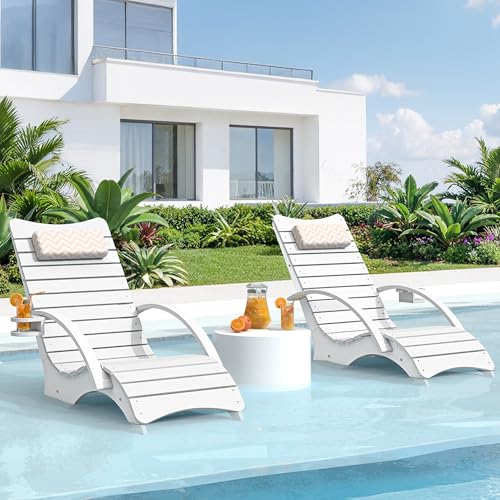
In-pool loungers are designed to be partially submerged, offering a unique way to stay cool while relaxing. These are typically made from weighted resin or vinyl and feature a water-filled base for stability. Poolside loungers are the traditional option and come in a wider range of styles and materials. If you're considering in-pool options, explore in-pool lounge chairs for a luxurious, resort-style experience.
Types of Pool Loungers
Classic Chaise Lounges
The most common pool lounger style, featuring an adjustable backrest and a long, flat seat. Classic chaise lounges are versatile and widely available in aluminum, resin, and wicker. They pair well with a patio side table with glass top for holding drinks and sunscreen.
In-Pool Lounge Chairs
Designed to sit in shallow water, in-pool loungers provide a cooling, immersive experience. They're ideal for pools with a sun shelf or tanning ledge. These chairs typically feature a weighted base and quick-dry fabric, and they're a standout feature in any pool design.
Folding and Portable Loungers
For those who need flexibility, folding loungers are easy to store and transport. Look for models with sturdy locking mechanisms and UV-resistant fabrics. These are particularly useful for renters or homeowners who like to rearrange their outdoor space frequently.
Lounge Sets with Side Tables
Many pool loungers are sold as part of a set with a matching side table or outdoor small table. These sets offer a cohesive look and practical convenience. If you're outfitting a larger area, consider pairing your loungers with a outdoor serving station and storage cabinet for towels, drinks, and pool accessories.
Materials and Maintenance
Aluminum Frames
Aluminum is the most popular frame material for pool loungers because it's lightweight, rust-proof, and durable. Powder-coated finishes add an extra layer of protection against UV rays and chlorine. To maintain aluminum loungers, simply wipe them down with a mild soap solution and rinse with fresh water after heavy pool use.
Resin and Plastic
Resin loungers are virtually maintenance-free. They resist water, chlorine, and UV damage, and they can be hosed down for quick cleaning. High-quality resin loungers are made from commercial-grade materials that won't become brittle over time. For a cohesive look, pair resin loungers with other all-weather patio furniture.
Wood and Wicker
Wood loungers require regular sealing and should be stored or covered during off-seasons. Synthetic wicker is more forgiving but should still be cleaned periodically to prevent dirt buildup. If you choose wood, teak and eucalyptus are the most durable options for outdoor use.
Protective Covers and Storage
Even the most weather-resistant loungers benefit from proper care. Invest in high-quality covers that fit snugly and allow for ventilation. During winter or extended periods of non-use, store cushions indoors and consider moving lightweight loungers to a covered area. Proper outdoor weatherproofing extends the life of your furniture and keeps it looking its best.
Design and Aesthetics
Matching Your Outdoor Style
Pool loungers should complement your overall outdoor design. If you have a modern aesthetic, sleek aluminum loungers with clean lines and neutral cushions will fit perfectly. For a more traditional or coastal look, wicker and rattan loungers with textured fabrics add warmth and character. Consider the color palette of your patio rugs and patio lighting to create a cohesive look.
Creating a Resort-Style Vibe
To achieve a resort-style pool area, think beyond the lounger itself. Layer in plush towels, a patio umbrella for shade, and perhaps a pergola for structure. Add outdoor rugs to define the lounging zone and soften hardscaping. The goal is to create a space that feels intentional, comfortable, and inviting.
Buying Checklist
Before you finalize your purchase, run through this checklist to ensure you've covered all the essentials:
- Frame Material: Aluminum, resin, or high-quality synthetic wicker for poolside durability.
- Cushion Fabric: Solution-dyed acrylic or olefin with quick-dry foam.
- Recline Mechanism: Smooth, secure, and easy to adjust.
- Weight Capacity: Matches the needs of your household and guests.
- Portability: Wheels or lightweight design if you plan to move loungers often.
- Style: Complements your existing outdoor decor and color scheme.
- Maintenance: Easy to clean and care for in your climate.
- Storage: Fits in your available storage space during off-seasons.
Frequently Asked Questions
What is the best material for pool loungers?
Powder-coated aluminum is widely considered the best material for pool loungers due to its lightweight nature, rust resistance, and durability. High-quality resin is also an excellent choice for families and high-use pools.
How do I clean my pool loungers?
Most pool loungers can be cleaned with a mild soap and water solution. Rinse with fresh water after cleaning and dry thoroughly. For cushioned loungers, remove cushions and clean them according to the manufacturer's instructions.
Are in-pool loungers worth it?
In-pool loungers offer a unique, immersive relaxation experience and are a great addition to pools with a sun shelf. They are typically durable and easy to maintain, making them a worthwhile investment for those who want a resort-style pool experience.
Can I leave my pool loungers outside all year?
It depends on the material. Aluminum and resin loungers are designed to withstand outdoor conditions year-round. Wood and wicker loungers should be covered or stored during harsh weather. Always check the manufacturer's recommendations for your specific model.
How many pool loungers do I need?
A good rule of thumb is to have at least one lounger for every two people who will regularly use the pool area. If you frequently host gatherings, consider adding a few extra folding loungers for flexibility.
Ready to Find Your Perfect Pool Lounger?
Choosing the right pool lounger is an investment in your home's outdoor living space. By considering frame materials, cushion quality, adjustability, and your personal style, you can create a poolside retreat that you'll enjoy for years to come. Explore our recommended products below to find the perfect match for your backyard oasis.