Small Patio Design Guide: Furniture, Layout & Decor Ideas
Turn a compact balcony, courtyard, or deck into a functional outdoor retreat. Learn how to choose space-saving furniture, plan a comfortable layout, and style your small patio with confidence.
Why Small Patios Deserve Smart Design
A small patio is not a limitation—it is a design brief. Compact outdoor spaces are common in urban apartments, townhomes, and courtyards, and they reward thoughtful planning more than large open decks do. When every square foot matters, the right furniture, layout, and materials transform a cramped slab into a comfortable extension of your home.
Homeowners searching for small patio solutions are usually past the inspiration stage. They already know they want a usable outdoor area; what they need is clarity on what fits, what lasts, and what delivers the best experience for the space. This guide answers those questions with practical, research-based recommendations.
Measure First, Plan Second
Before browsing any furniture, measure the patio's usable dimensions—length, width, and any obstructions such as railings, steps, doors, or utility boxes. A simple sketch with measurements prevents the most common mistake in small-space shopping: buying pieces that technically fit but leave no room to move.
Recommended clearances
- Walkways: Keep 24–36 inches of clear path between furniture and walls or railings.
- Dining pull-out: Allow about 30 inches behind each chair so guests can sit and stand comfortably.
- Door swing: Confirm that doors and gates open fully without striking furniture.
- Traffic flow: Identify the main route through the patio and keep it unobstructed.
Once measurements are clear, decide the patio's primary purpose. A dining-focused layout differs significantly from a lounging or container-garden layout. Committing to one main function keeps the space coherent and prevents overcrowding.
Best Furniture Types for Compact Spaces
The most effective small patio furniture shares three traits: compact footprints, lightweight construction, and multi-functional design. The categories below cover the most reliable options for research-stage buyers.
Bistro and Cafe Sets
Two-seat bistro sets are the classic small patio solution. Round tops improve flow, and folding or stacking chairs free up space when not in use. Look for weather-resistant finishes and stable bases.
Folding and Stacking Chairs
Lightweight folding chairs are ideal for patios that need to shift between uses. Powder-coated aluminum and high-grade resin resist rust and remain easy to move.
Nesting and Side Tables
Nesting tables provide flexible surface area without permanent bulk. A single compact outdoor side table can serve drinks, plants, or a laptop depending on the moment.
Compact Benches
A slim bench along a wall adds seating without blocking the center of the patio. A teak outdoor bench or a durable metal bench works well in narrow footprints.
Small Sectionals
Modular sectionals can be configured to fit awkward corners. A compact outdoor sectional sofa with a low back maintains sightlines and seats more people than individual chairs.
Swivel and Rocking Chairs
A single swivel chair with cushions or a porch rocker adds a comfortable anchor point without demanding much floor area.
For patios that double as dining and lounging areas, a table and chairs set with a small footprint provides the most versatility. Pair it with a patio umbrella for shade, and consider a rectangular umbrella if the table is narrow.
Layout Strategies That Work
Layout is where small patios succeed or fail. The goal is a balanced arrangement that supports the primary function while keeping movement effortless.
Anchor the space around one focal point
Choose a single anchor—a dining table, a lounge chair, or a fire feature—and arrange supporting pieces around it. Spreading multiple focal points across a small patio creates visual clutter and physical congestion.
Push seating to the edges
Place benches and sofas against walls or railings to keep the center open. Corner arrangements make the most of awkward angles and leave a clear path through the patio.
Use round shapes for flow
Round tables and curved seating reduce sharp corners and improve circulation. A round patio table with umbrella is often the most space-efficient dining solution.
Build vertically
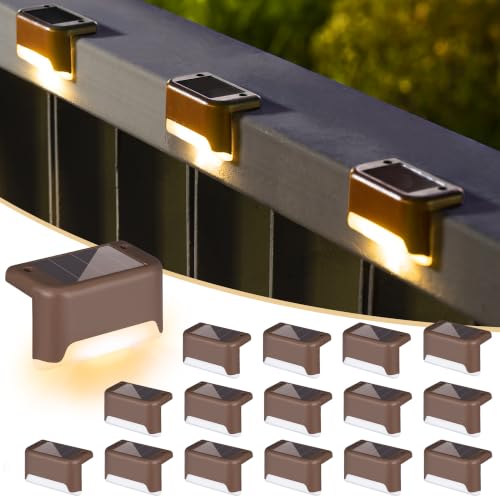
Vertical elements—shelving, hanging planters, and wall-mounted lighting—add function without consuming floor area. A serving station and storage cabinet can consolidate entertaining essentials in one footprint.
Keep one clear route
Identify the natural path from door to destination and keep it unobstructed. Furniture that blocks the route makes the patio feel smaller, not larger.
Materials and Quality Tiers
Small patio furniture should be durable enough to handle weather and light enough to rearrange. The table below compares common materials by position in the market, without referencing specific figures.
| Material | Market Tier | Best For |
|---|---|---|
| High-grade resin | Entry-level to mid-range | Lightweight, weather-resistant seating |
| Powder-coated aluminum | Mid-range | Rust-proof frames with easy portability |
| Wicker and rattan | Mid-range to premium | Warm visual texture and comfortable seating |
| Teak and solid wood | Premium to luxury | Long-term durability and natural finish |
| Cast aluminum | Premium | Detailed design with heavy-duty stability |
Powder-coated aluminum is a strong all-around choice for compact patios because it balances durability with manageability. For a deeper look at frame construction, see the guide to powder-coated aluminum outdoor furniture. Where design detail matters, powder-coated cast aluminum patio furniture offers a more refined finish.
If your patio is exposed to rain and sun year-round, prioritize materials with rust-proof finishes and UV-resistant coatings. The all-weather patio furniture overview covers the key specifications to check before buying.
Decor Tricks to Expand the Look
Visual expansion is just as important as physical space management. A few deliberate choices make a small patio feel open, intentional, and comfortable.
- Use light colors: Whites, sand tones, and soft greens reflect light and reduce visual weight.
- Add a rug: An outdoor rug defines the seating zone and creates a sense of a room without walls.
- Layer lighting: Combine a patio lighting fixture with string lights or lanterns for evening ambiance.
- Introduce greenery: Vertical planters and hanging baskets add life without crowding the floor.
- Choose glass or reflective surfaces: A side table with a glass top keeps sightlines open.
- Coordinate cushions: A set of patio chair cushions in a single palette unifies mismatched furniture.
- Add seasonal accents: Rotate seasonal decor to keep the space feeling fresh without permanent clutter.
For patios with a bit more room, a pergola or a patio deck upgrade can define the space architecturally while preserving an open feel. Even a simple console table against a wall adds storage and visual interest with minimal footprint.
Care and Weatherproofing
Small patio furniture is exposed to the same weather as larger sets, but its compact size makes routine care easier. A consistent maintenance routine extends the life of every piece and protects your investment.
- Wipe frames and tabletops monthly to remove pollen, dust, and debris.
- Store cushions during heavy rain or extended off-season periods to prevent mildew.
- Inspect fasteners and joints seasonally and tighten as needed.
- Apply appropriate sealants to wood furniture according to the manufacturer's guidance.
- Use covers during extreme weather to protect finishes and upholstery.
The outdoor weatherproofing guide covers material-specific care in detail, including cleaning recipes and protective cover selection. If your patio includes a fire feature, review safety clearances and ventilation requirements before use.
Buying Checklist for a Small Patio
Use this checklist to confirm your plan before placing an order. It is designed for research-stage buyers who want to avoid returns and layout regrets.
- Measured the patio and confirmed clear walkways of 24–36 inches.
- Chosen one primary function: dining, lounging, or gardening.
- Selected furniture with compact footprints and lightweight construction.
- Verified material durability for local weather conditions.
- Planned vertical storage and decor to preserve floor space.
- Confirmed cushions and upholstery are UV-resistant and quick-drying.
- Reviewed warranty and return policies before purchase.
- Sketched the final layout and tested it with tape on the floor.
For broader guidance on measuring and comparing products, see the patio overview and the small patio resource hub.
Frequently Asked Questions
How do I choose furniture for a small patio?
Prioritize compact, multi-functional pieces such as bistro sets, folding chairs, and nesting tables. Measure your space carefully, leave clear walking paths, and favor vertical storage and wall-mounted elements to keep the floor open.
What is the best layout for a small patio?
Anchor the layout around one primary function—dining, lounging, or cooking. Push seating against walls or railings, use round tables to improve flow, and keep a minimum walkway of about 24 to 36 inches between furniture pieces.
Which materials work best for small outdoor spaces?
Powder-coated aluminum and high-grade resin are lightweight yet durable, making them easy to rearrange. Wicker and rattan offer visual warmth, while teak and weather-resistant woods deliver long-term durability for a more premium tier.
How can I make a small patio feel larger?
Use light colors, reflective surfaces, and vertical elements like planters and string lights. Mirrors, glass tabletops, and consistent flooring patterns visually expand the space, while clutter-free storage keeps sightlines open.