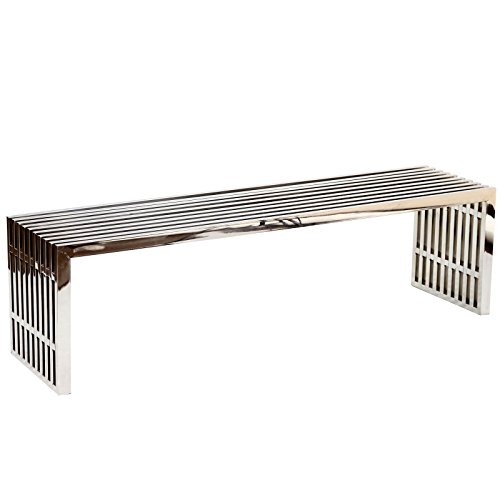
Metal Bench Buying Guide
Discover how to choose the perfect metal bench for your garden, patio, or entryway. From durable aluminum to classic cast iron, this guide covers materials, styles, and practical buying advice to help you make a confident decision.
Explore Recommended BenchesWhy a metal bench? Metal benches combine enduring strength with timeless design. Unlike wood, they resist rot, insects, and warping, while offering a structural rigidity that holds up to daily use. Whether you need a quiet reading spot in the garden or a welcoming seat at your entryway, a well-chosen metal bench delivers lasting comfort and visual appeal.
Metal Bench Materials: Which One Is Right for You?
The material of your bench determines its weight, weather resistance, maintenance needs, and overall character. Here is a breakdown of the most common options:
Aluminum
Aluminum benches are naturally resistant to rust and corrosion, making them ideal for coastal or humid environments. They are lightweight enough to move easily, yet strong enough for everyday seating. Powder-coated aluminum offers additional UV and scratch protection.
Steel
Steel benches provide excellent structural strength and a substantial feel. Galvanized or powder-coated steel resists rust effectively. These benches are a solid choice for high-traffic areas and commercial-grade settings where durability is paramount.
Cast Iron & Wrought Iron
Cast iron and wrought iron benches offer traditional elegance with intricate detailing. They are very heavy and stable, perfect for permanent placement. With proper re-coating, they can last for generations, though they require periodic maintenance to prevent rust.
Popular Metal Bench Styles
Beyond material, the style of your bench should complement your outdoor or indoor setting. Consider these common designs:
- Garden benches: Often featuring slatted or lattice backs, these are designed for relaxing among plants and flowers. Pair with a garden bench for a classic look.
- Entryway benches: Compact and often with storage or shoe space underneath, these work well in mudrooms and porches. See our benches for entryway collection.
- Backless benches: Minimalist and versatile, backless metal benches can be used as seating or even as a low table. Ideal for small spaces.
- Convertible benches: Some metal benches include a pop-up table or storage compartment, blending function with form.
Material Comparison at a Glance
| Material | Best For | Weather Resistance | Maintenance |
|---|---|---|---|
| Powder-Coated Aluminum | Coastal areas, humid climates, easy relocation | Excellent | Low |
| Galvanized Steel | High-traffic gardens, parks, commercial-grade use | Very Good | Low to Moderate |
| Cast Iron | Traditional gardens, permanent installations | Good (with re-coating) | Moderate |
| Wrought Iron | Decorative settings, classic porches | Good (with re-coating) | Moderate |
Key Buying Considerations
Before you choose a metal bench, keep these practical factors in mind:
- Size and scale: Measure your intended space. A bench that is too large can overwhelm a small patio, while a too-small bench may look lost in a spacious garden.
- Weight and portability: Aluminum is easy to move; cast iron is not. Decide whether you need a permanent fixture or a flexible seating option.
- Comfort: Consider seat depth, back height, and armrests. Adding a cushion can dramatically improve comfort—explore outdoor seat cushions for a better fit.
- Finish and coating: A powder-coated finish offers superior protection against rust and UV damage. Look for rust-proof or weather-resistant coatings.
- Style compatibility: Match the bench to your existing decor. Modern minimalist spaces suit sleek aluminum designs, while traditional gardens pair well with ornate cast iron.
Caring for Your Metal Bench
Proper maintenance extends the life of any metal bench. Follow these simple steps to keep yours looking its best:
- Wipe down the surface regularly with a damp cloth to remove dirt and bird droppings.
- Inspect for scratches or chips in the coating and touch up with matching paint or sealant.
- During winter or extended periods of non-use, cover the bench or store it in a dry place. See our outdoor weatherproofing guide for more tips.
- Avoid using abrasive cleaners that can damage the finish.
Frequently Asked Questions
Is a metal bench suitable for outdoor use?
Yes, most metal benches are designed for outdoor use. Powder-coated aluminum and galvanized steel offer excellent weather resistance, while cast iron and wrought iron provide classic durability with proper maintenance. Look for rust-proof finishes and UV-resistant coatings for the best longevity.
How do I maintain a metal bench?
Routine maintenance includes wiping the surface with a damp cloth, removing dirt and debris, and inspecting for scratches or chips in the coating. Touch up any exposed metal with a matching paint or protective sealant. During harsh winters, consider storing the bench or using a fitted cover.
Which metal is best for a garden bench?
Aluminum is lightweight and naturally rust-resistant, making it ideal for humid climates. Steel is heavier and very strong, while cast iron offers a traditional look with substantial weight. Wrought iron is decorative and durable but requires periodic re-coating.
Can a metal bench be used indoors?
Yes, metal benches work well in entryways, mudrooms, and even at the foot of a bed. Choose a design that complements your interior style, and consider adding a cushion for extra comfort during indoor use.
Ready to Find Your Perfect Metal Bench?
Explore our curated selection of top-rated metal benches for gardens, patios, and entryways. Compare features and find the right fit for your space.
View Recommended Benches