Outdoor Sectional Sofa: The Complete Buying Guide
Everything you need to know before choosing an outdoor sectional sofa — from frame materials and cushion performance to layout planning and long-term maintenance. Research-backed guidance for a confident purchase decision.
Start Your ResearchWhy this guide matters: An outdoor sectional sofa is one of the largest and most-used investments in your backyard. Getting the frame material, cushion quality, and configuration right the first time saves you from costly replacements and years of discomfort. This guide walks you through every decision point so you can buy with clarity.
What Makes an Outdoor Sectional Sofa Different?
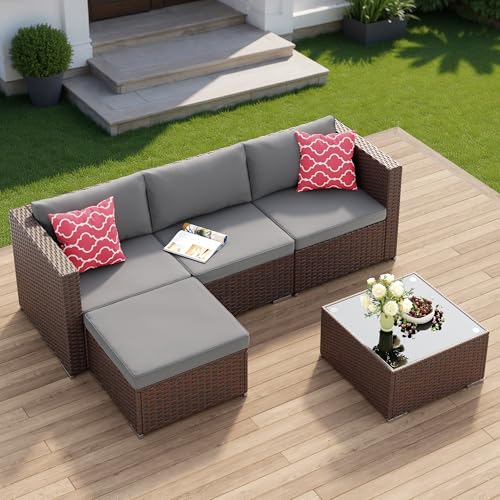
An outdoor sectional sofa is a multi-piece seating system designed for patios, decks, poolside areas, and covered porches. Unlike a standard outdoor sofa, a sectional is built from connected or modular sections — typically a corner piece, a loveseat, a chaise, and individual armchairs — that combine into an L-shaped, U-shaped, or straight configuration.
The key distinction from indoor sectionals lies in construction: outdoor models use weather-resistant frames, quick-dry cushion cores, and solution-dyed fabrics engineered to resist UV fading, mold, and mildew. Understanding these differences is essential before you commit to a specific model.
For buyers working with limited square footage, explore outdoor sectionals for small spaces where compact modular designs and corner-optimized layouts take priority. Buyers with larger gathering spaces may prefer a sectional with an integrated dining table that blends lounging and al fresco dining in one footprint.
Key Buying Factors to Evaluate
1. Frame Material and Construction
The frame determines structural longevity and how much maintenance the sectional will need over time. The three dominant frame categories are:
- Powder-coated aluminum: Lightweight, rust-resistant, and the most common choice for mid-range to premium sectionals. Look for reinforced welds and a thick coating that resists chipping.
- Steel (stainless or galvanized): Heavier and extremely durable, often used in commercial-grade and high-end residential pieces. Confirm the steel grade — 304 stainless offers strong corrosion resistance in coastal environments.
- Solid teak or acacia hardwood: Naturally weather-resistant and beautiful, but requires periodic oiling. Learn more in our wood furniture care guide.
Wicker and rattan wraps — whether natural or high-density polyethylene (HDPE) synthetic — are cosmetic over a structural frame. Synthetic HDPE wicker outperforms natural rattan in durability and UV resistance; our wicker and rattan guide explains the distinctions in detail.
2. Cushion Performance and Quick-Dry Cores
Cushions are the most frequently replaced component of any outdoor sectional. Prioritize models with:
- Open-cell quick-dry foam that allows water to drain rapidly after rain
- Solution-dyed acrylic or polyester fabric with a UPF rating for fade resistance
- Removable, machine-washable covers with zippered closures
- Dacron wrap or a moisture barrier between the foam and cover
If the frame is sound but the cushions are worn, replacement cushions for outdoor sectionals extend the life of the entire set far more efficiently than buying new furniture. Our weather-resistant cushion guide covers fabric ratings and foam density in depth.
3. Configuration and Modularity
Modular sectionals let you reconfigure seating as your needs change — a corner setup for entertaining, a chaise lounge for solo relaxation, or a split arrangement for smaller gatherings. Fixed sectionals offer a more solid, single-piece feel but lack flexibility. Consider how often you rearrange your patio layout and whether future moves might require a different configuration.
If you prefer a dedicated conversation zone, compare conversation sets for small spaces with sectional layouts. Buyers who want the flexibility of a full sofa without fixed corners should also review standalone outdoor sofas.
4. Sizing and Space Planning
Measure your patio footprint before shopping. As a rule of thumb, leave 18 to 24 inches of clearance around the sectional for walkways, and add at least 30 inches in front of any chaise or reclining section. Account for side tables, lighting, and shade structures in the layout plan.
Companion pieces complete the setup: outdoor side tables keep drinks and books within reach, while outdoor rugs visually anchor the seating zone. A rattan round coffee table pairs naturally with wicker sectionals, and a wood coffee table with an umbrella hole lets you add shade mid-seating.
5. Comfort Details and Ergonomics
Seat height, seat depth, and back angle vary significantly between models. Deep-seat sectionals (around 25 to 30 inches) suit lounging, while shallower seats (around 20 to 23 inches) suit upright conversation. Test back cushion thickness and lumbar support if possible — these details determine whether the sectional is comfortable for long afternoons.
Add outdoor throw pillows for back support and accent color, and consider seat cushions set of 4 or seat cushions set of 2 if you are mixing a sectional with separate chairs.
Understanding Outdoor Sectional Quality Tiers
Rather than shopping by numerical figures, evaluate sectionals by their construction tier and intended use. This classification system is used consistently throughout PatioFocus guides.
Essential Outdoor Sectionals
Lightweight aluminum or steel frames, basic quick-dry foam, and standard polyester fabrics. Best for covered patios, seasonal use, and first-time buyers who want a flexible layout without committing to a long-term piece. Expect simpler welds and thinner cushion cores.
Mid-Range Outdoor Sectionals
Reinforced aluminum frames with HDPE wicker wraps, higher-density foam, and solution-dyed acrylic covers. A solid choice for year-round exposure in moderate climates. Better hardware, smoother modular connectors, and more refined cushion tailoring distinguish this tier.
Premium & Commercial-Grade
Thick-gauge welded aluminum or 304 stainless steel frames, high-resilience quick-dry cores, and heavy-duty performance fabrics. Designed for full sun and coastal exposure with minimal maintenance. These are long-term investments in outdoor living, often backed by multi-year structural warranties.
Outdoor Sectional Frame Comparison
| Frame Material | Best For | Maintenance Level | Durability Notes |
|---|---|---|---|
| Powder-coated aluminum | Balanced-tier residential patios | Low | Rust-proof finish; inspect for coating chips after storms |
| Stainless steel (304 grade) | Coastal and high-humidity environments | Low to moderate | Excellent corrosion resistance; heavier to move |
| Solid teak hardwood | Natural, warm aesthetics | Moderate (annual oiling) | Naturally weather-resistant; ages to a silver patina |
| HDPE synthetic wicker over aluminum | Traditional and bohemian looks | Low | UV-stable; check weave tightness and frame thickness |
| Galvanized steel | Commercial-grade and heavy-use settings | Low to moderate | Heavy-duty; confirm zinc coating quality |
Matching the Sectional to Your Space
Small patios and balconies: Choose a two-piece modular sectional or an L-shaped corner unit with a shallow footprint. Pair with a compact side table and vertical storage solutions. Our small-space sectional guide details exact layout approaches.
Medium patios: A three- to four-piece sectional with one chaise typically fits comfortably. Add a round patio table or rectangular dining set nearby if you entertain regularly.
Large decks and poolside areas: U-shaped or double-chaise sectionals create a resort-style lounge zone. Consider a dining set for 8 with umbrella to complement the lounge area, and add bar carts for drink service.
Covered porches: Fabric-heavy sectionals with plush cushions perform well under a roof. Add outdoor string lights and a weather-resistant outdoor TV to turn the porch into a true living room extension.
Protecting Your Investment Long-Term
Even the most durable outdoor sectional benefits from proactive care. Follow these practices to extend the usable life of your set:
- Use fitted patio furniture covers during off-season or extended rain periods; breathable covers prevent trapped moisture.
- Store cushions in a waterproof storage box for cushions when not in use for extended periods.
- Clean frames with mild soap and water; avoid abrasive pads that scratch powder coatings.
- Re-oil hardwood frames annually per the manufacturer's guidance.
- Check modular connectors and tighten hardware seasonally.
For full weatherproofing protocols, see our weatherproofing guide and UV protection tips. If you are refreshing an older frame, replacement sectional cushions and a thorough frame cleaning can restore the piece affordably.
Storage accessories make maintenance easier: a waterproof storage container or outdoor storage container keeps cushions, covers, and accessories organized and dry. Our outdoor storage guide covers sizing and placement considerations.
Pre-Purchase Checklist
- Measure the patio footprint and confirm walkway clearances of at least 18 to 24 inches.
- Decide between modular flexibility and fixed single-piece construction.
- Confirm frame material suitability for your climate (coastal, humid, or dry).
- Verify cushion fabric ratings for UV fade resistance and water repellency.
- Check that cushion covers are removable and washable.
- Confirm the number of pieces needed to achieve your desired layout.
- Plan companion pieces: side tables, rug, lighting, and storage.
- Review warranty terms and delivery or assembly requirements via our delivery and assembly guide.
Researching Brands and Retailers
Brand reputation matters significantly with outdoor sectionals because structural and fabric warranties vary widely. Our brand comparison guide and patio furniture brands overview help you weigh reputation against specification. Buyers who prefer to inspect pieces in person should review online retailer reviews and local store options before committing.
If sustainability is a priority, the sustainable outdoor furniture guide covers recycled aluminum, FSC-certified teak, and low-impact fabric options.
Frequently Asked Questions
What is the best material for an outdoor sectional sofa?
Powder-coated aluminum frames with HDPE synthetic wicker or solution-dyed acrylic cushions offer the best balance of durability, low maintenance, and comfort. Solid teak and 304 stainless steel are premium alternatives for buyers seeking long-term investment pieces.
How do I measure my patio for an outdoor sectional?
Measure the full available footprint, then reserve at least 18 to 24 inches of walkway clearance around the sectional. Account for reclining space, side tables, and any shade structures before finalizing the configuration.
Can an outdoor sectional stay outside year-round?
Most modern outdoor sectionals are designed for year-round exposure, but using fitted covers during off-season and storing cushions in a waterproof storage box will significantly extend their lifespan.
What is the difference between modular and fixed outdoor sectionals?
Modular sectionals consist of independent pieces that can be rearranged into different configurations, while fixed sectionals are welded or bolted into a single shape. Modular designs offer more flexibility for changing layouts and tighter spaces.
How often should I replace outdoor sectional cushions?
With proper care, quality cushions last several seasons. When foam loses resilience or fabric shows permanent staining, replacement cushions are the efficient path — the frame remains the structural core of the investment.