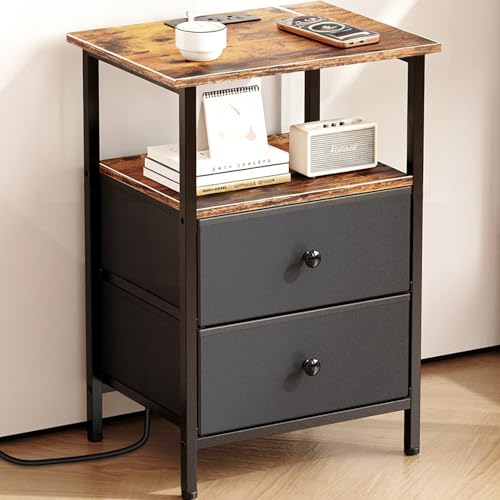
Why a Side Table Matters More Than You Think
A side table is the quiet workhorse of any outdoor seating arrangement. It is rarely the piece guests notice first, yet it is the one they reach for constantly — to set down a drink, rest a book, hold a plate during a cookout, or keep a phone safely off the ground. Without one, people improvise: balancing glasses on armrests, placing snacks on the floor, or repeatedly getting up to fetch something they set down inside.
For visitors researching a patio upgrade, the side table is also one of the smartest entry points into better outdoor living. It costs far less commitment than a new sofa or dining set, delivers immediate day-to-day usefulness, and can be added incrementally as a space evolves. A well-chosen table also anchors a seating group visually, giving lounge chairs and sofas a deliberate, finished look rather than a scattered one.
This guide is written for the research stage: you likely already know you want a side table and are now deciding which type, size, material, and style will actually work in your space. Below, each section answers one decision, so you can move from uncertainty to a confident shortlist.
Sizes and Dimensions: Getting the Fit Right
Side table sizing is governed by one rule: the tabletop should sit at or slightly below the armrest height of the seating it serves. That keeps drinks within easy reach without forcing anyone to stretch or lean awkwardly. Standard patio sofas and lounge chairs typically have armrests in the 22 to 26 inch range, which makes a table height of roughly 20 to 24 inches the comfortable default.
Typical size categories
- Compact / accent tables (12–16 inches wide): Best beside a single lounge chair, on balconies, or between two chairs where floor space is tight. Holds a drink, a small plate, and a phone — nothing more.
- Standard side tables (17–22 inches wide): The most versatile category. Fits a drink, a book, a small tray, and a lantern without crowding. Works beside sofas, sectionals, and Adirondack chairs alike.
- Generous side tables (23–28 inches wide): Functions almost like a small coffee table for one person. Good beside deep lounge seating or where you want to serve snacks directly.
- Nesting and C-shaped tables: Nesting sets let you expand surface area when entertaining and tuck the smaller piece away afterward. C-shaped tables slide partly over a seat cushion, putting the surface directly in front of the sitter.
Beyond the tabletop, check the footprint of the base. A table with a wide, stable base is safer on windy decks and less likely to tip when someone leans on an edge. If your space is narrow, a round or oval top lets people walk past without catching a hip on a corner. In tight seating clusters, a small outdoor side table is often the difference between a walkable patio and a cramped one.
A practical height checklist
| Seating Type | Comfortable Table Height | Notes |
|---|---|---|
| Low lounge chairs / chaises | 16–20 inches | Lower tables keep drinks reachable without sitting up |
| Standard patio sofas | 20–24 inches | The most common pairing; matches most armrest heights |
| Adirondack / deep-seat chairs | 22–26 inches | Wide armrests need a tabletop that clears them |
| Bar-height seating | 28–32 inches | Only for high-top arrangements; not a lounge table |
When in doubt, measure from the floor to the top of your chair's armrest and choose a table within two inches of that number. This single measurement prevents most side table returns.
Material Guide: What Survives the Outdoors
Outdoor furniture lives with sun, rain, humidity, and temperature swings. The material you choose determines how much maintenance the table needs and how long it will look good. Each option below has a clear best use case.
Concrete and cast stone
Concrete side tables are heavy, stable, and effectively immune to wind. They suit modern and industrial patios beautifully and require almost no maintenance beyond occasional washing. The trade-off is weight — once placed, they are not easy to move, and they are not a good fit for balconies with load restrictions. A concrete side table is an excellent long-term investment for a ground-level patio that will not be rearranged often.
Powder-coated metal and aluminum
Aluminum is lightweight, rust-resistant, and easy to relocate. Powder-coated steel is heavier and very sturdy but must be inspected for chips, since exposed steel can rust over time. Metal tables pair well with modern and minimalist designs and often feature slatted or mesh tops that drain rainwater quickly. Look for rust-proof finishes and stainless hardware on any metal piece.
Teak and other hardwoods
Teak, acacia, and eucalyptus are naturally weather-resistant when finished properly. Wood warms up visual spaces and suits rustic, coastal, and farmhouse themes. Expect to reseal or oil the surface periodically depending on your climate. Wooden tables are moderately heavy and offer good stability for their weight.
Wicker, rattan, and resin wicker
Synthetic resin wicker over an aluminum frame delivers the woven look with far better weather resistance than natural fibers. Natural rattan is beautiful but should be kept under cover. These tables are lightweight and work well in coastal, bohemian, and traditional layouts.
Plastic and high-density resin
Entry-level resin tables are lightweight, stackable, and easy to clean — a practical choice for casual patios, rentals, and homes with children. They will not match the longevity of metal or concrete, but they serve their purpose well for occasional use and seasonal setups.
| Material | Weather Resistance | Maintenance Level | Best For |
|---|---|---|---|
| Concrete / cast stone | Excellent | Very low | Ground-level patios, modern designs, windy locations |
| Powder-coated aluminum | Excellent | Low | Balconies, versatile layouts, humid climates |
| Teak / hardwood | Very good with care | Moderate (seasonal oiling) | Coastal, rustic, and farmhouse patios |
| Resin wicker | Good | Low | Covered porches, bohemian and traditional styles |
| Resin / plastic | Good | Very low | Casual patios, rentals, family-friendly spaces |
Styles and Tiers: Matching Your Patio Design
Side tables are small enough that they can either blend in or act as an accent. Decide which role you want before shopping, then match the design language of your existing furniture.
Design directions
- Modern / minimalist: Clean lines, matte metal or concrete, neutral tones. Works with sectional sofas and low-profile lounge chairs.
- Rustic / farmhouse: Wood finishes, slatted tops, slightly heavier proportions. Pairs naturally with wooden seating and outdoor rugs.
- Coastal: Woven textures, whitewashed finishes, light woods. Sits comfortably beside sling chairs and nautical palettes.
- Bohemian: Mixed materials, drum shapes, woven bases, warm earthy tones. Suits layered textiles and plant-heavy patios.
Market tiers explained
Rather than thinking in numbers, think in tiers. Each tier represents a different balance of materials, construction quality, and expected lifespan.
- Entry-level tier: Resin or lightweight metal construction. Adequate for occasional use, seasonal setups, and secondary seating areas. Fine for renters and balconies where furniture may be replaced more often.
- Mid-range tier: Powder-coated aluminum or resin wicker with reinforced joints. A solid choice for the category — these tables handle regular outdoor exposure and hold up across multiple seasons with minimal care.
- Premium tier: Thicker aluminum frames, genuine teak, or cast stone. Noticeably more stable and refined in finish; the hardware and welds are cleaner and the surfaces resist wear longer.
- Luxury tier: Designer pieces in solid concrete, high-grade hardwood, or architectural metalwork. These are long-term investments intended to stay with the home and weather beautifully over many years.
As a rule, mid-range models generally offer smoother hardware and better finishes than entry-level options, while premium and luxury tiers add weight, material density, and craftsmanship rather than new features. Choose the tier that matches how often the table will be used and whether it will live fully exposed or under cover.
Placement Strategies for Small and Large Spaces
Where you put the table matters as much as which one you buy. A few placement rules will make any patio feel more intentional.
For lounge and sofa seating
Place one side table at each end of a sofa, or a single table between two lounge chairs. Leave enough clearance — roughly 12 inches — so people can sit and stand without bumping the table. On a narrow balcony, a single nesting table between two chairs is often the most efficient choice; see our small balcony furniture sets guide for layout examples.
For dining and bistro setups
Side tables are not a substitute for a dining table, but they are useful beside a grill or as a serving surface during cookouts. If your dining table has an umbrella, a matching side table with an umbrella hole keeps the shade line consistent across the seating group.
For small patios and porches
In compact spaces, prioritize footprint over surface area. Round or triangular tables reduce corner collisions. Nesting sets let you keep one table out day to day and pull out the second when guests arrive. For tighter layouts, our small patio furniture guide covers complementary pieces that share the same footprint logic.
For poolside areas
Choose materials that tolerate chlorine splash and constant sun. Aluminum, concrete, and resin wicker all perform well here. Avoid untreated wood directly beside the water unless it is rated for it. A small poolside table is a practical way to keep drinks and sunscreen off the deck.
Features Worth Checking Before You Choose
Two tables of similar size can differ significantly in day-to-day usefulness. These are the details that matter most.
Umbrella hole compatibility
If your seating area already has an umbrella, a side table with a pre-drilled hole lets you keep shade consistent without a separate base. A small outdoor side table with an umbrella hole is a smart pairing for bistro setups and compact lounges where shade is essential. Check the hole diameter against your umbrella pole before buying.
Stability and weight
Light tables blow over. If your patio is exposed to wind, favor heavier materials or tables with a weighted base. A concrete or cast-stone table is the most stable option; aluminum is the easiest to relocate.
Surface drainage
Slatted, mesh, or perforated tops drain rainwater instead of pooling it. Solid tops look cleaner but need to be wiped down after rain. If your table will be exposed year-round, drainage matters.
Storage and nesting
Nesting tables and folding designs are ideal for balconies where floor space is shared with planters and storage boxes. If your patio also hosts a storage bench or deck box, check that the nesting tables can tuck beside it without blocking access.
Assembly and hardware
Most side tables assemble in under 30 minutes. Look for stainless or coated hardware, and check that leg glides are included to protect decking and tile. Loose hardware is the most common early failure point on metal tables.
Care and Longevity Tips
Side tables are low-maintenance, but a few habits extend their life considerably.
- Rinse metal and resin tables with mild soap and water at the start and end of each season. Avoid abrasive pads on powder-coated surfaces.
- Touch up chips on painted metal promptly to prevent rust from spreading beneath the coating.
- Oil wooden tables annually, or more often in dry climates, to prevent cracking and graying.
- Cover or store lightweight tables during storm season or freezing weather.
- Lift, don't drag, concrete and stone tables to avoid scratching patio surfaces.
- Check hardware twice a year and tighten any loose bolts.
If your patio includes a mix of materials, our outdoor care section covers cleaning and weatherproofing routines for the full setup.
Frequently Asked Questions
What size side table fits beside a patio sofa?
A tabletop at or just below armrest height is ideal — typically 20 to 24 inches tall and 17 to 22 inches wide. Measure the armrest height before choosing, and leave about 12 inches of clearance for legs and walkways.
Is concrete or aluminum better for an outdoor side table?
Concrete is heavier and more wind-stable, ideal for ground-level patios that will not be rearranged often. Aluminum is lighter, rust-resistant, and easier to move, which suits balconies and flexible layouts. Both are excellent weather performers in their tier.
Do side tables need an umbrella hole?
Only if you already use an umbrella in the seating area and want consistent shade. Check the pole diameter against the hole size. If your umbrella is freestanding with its own weighted base, a solid-top table is fine.
Can I leave a side table outside all year?
Aluminum, concrete, and resin tables are generally fine year-round in mild to moderate climates. Wood requires seasonal oiling and may need covering in freezing conditions. Lightweight plastic tables should be stored during storms or off-season to prevent cracking and blow-overs.
How many side tables does a patio seating group need?
One per seating end is a good rule. A sofa benefits from a table at each end; a pair of lounge chairs can share one table between them. In tight spaces, a single nesting table between two chairs provides the most useful surface with the smallest footprint.
What is the difference between side tables and nesting tables?
Nesting tables are a set of two or three tables in graduated sizes that slide under one another. They offer the same function as a single side table but let you expand surface area when entertaining, then tuck the extra pieces away — a practical choice for compact patios and balconies.