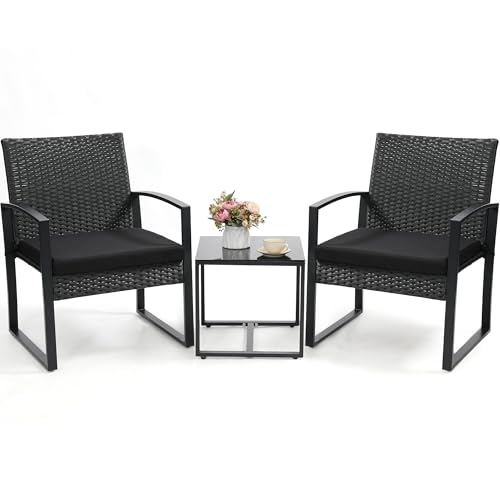
Small Patio Furniture: The Complete Guide to Compact Outdoor Comfort
Turn a compact balcony, narrow deck, or cozy courtyard into a fully functional outdoor retreat. This guide breaks down the best small patio furniture categories, space-planning strategies, material choices, and storage solutions — so you can buy with confidence and make every square foot count.
Explore Furniture CategoriesWhy Small Patio Furniture Deserves Careful Selection
Owning a small outdoor space does not mean settling for a cramped or incomplete setup. In fact, compact patios and balconies are often the most-used outdoor areas in a home because they sit just steps from the living room. The challenge is that standard outdoor furniture is frequently designed for spacious decks, which leaves homeowners guessing how to furnish a footprint of perhaps six by eight feet without blocking walkways or overwhelming the view.
That is where purpose-built small patio furniture changes the equation. These pieces are engineered around narrower profiles, modular configurations, and dual-purpose designs — a bench that hides cushion storage, a bistro table that folds flat, or a sectional that converts into a guest bed. Choosing well means balancing three factors: footprint efficiency (how much floor area a piece consumes versus how much seating it provides), material durability in exposed conditions, and visual lightness so the space does not feel closed in.
This guide walks through each major furniture category available for compact outdoor areas, compares quality tiers using neutral market descriptors, and shares planning rules that professional outdoor designers rely on. Whether you are furnishing a first apartment balcony or refreshing a townhouse courtyard, the recommendations below are organized to help you move from research to a confident purchase decision.
Essential Small Patio Furniture Categories
Compact Sofas & Sectionals
A two-seat loveseat or a modular sectional is the anchor of any lounging zone. Look for slim arms, low backs, and reversible chaise configurations that adapt to narrow layouts. Modular pieces let you reconfigure the same furniture for entertaining versus quiet evenings.
Browse small patio sets →Bistro & Dining Sets
Round bistro tables with two chairs fit into corners where rectangular dining sets cannot. Drop-leaf and folding designs expand only when guests arrive, then tuck away against a wall. These are the workhorses of balcony dining.
See bistro table sets →Space-Saving Chairs
Stackable sling chairs, folding director chairs, and lightweight lounge chairs can be moved, stored, or rearranged in seconds. Choose chairs with breathable sling or mesh backs for hot climates and quick-dry performance after rain.
Explore sling outdoor chairs →Side & Coffee Tables
Small round or square side tables provide landing space for drinks and books without blocking circulation. Nesting tables offer two surfaces that collapse into one footprint when not in use — ideal for narrow balconies.
View small side tables →Umbrellas & Shade
In a compact space, shade must come from above without consuming floor area. Half-umbrellas and cantilever styles mount against walls or railings, freeing up the surface below for seating and tables.
Find compact umbrellas →Outdoor Storage
Cushions, throws, and small accessories need a home. A deck box doubles as a bench, while a slim waterproof cabinet keeps textiles dry through shoulder seasons. Storage is not optional in small patios — it is furniture.
Shop small deck boxes →Quick Rule of Thumb
Leave at least 24 inches of clear walking space between furniture pieces and 30 inches between a table edge and the nearest wall. In a patio measuring under 100 square feet, aim for a maximum of three major furniture pieces — typically one seating anchor, one table surface, and one storage unit.
Quality Tier Comparison for Small Patio Furniture
Small patio furniture spans a wide range of construction quality. The table below groups typical options into market tiers so you can match a product to your expected usage and climate without relying on numeric figures. Each tier reflects relative positioning within the category.
| Tier | Typical Construction | Durability Outlook | Best For |
|---|---|---|---|
| Entry-Level | Powder-coated steel or aluminum frames, basic sling or polyester cushions, folding mechanisms | Reliable for seasonal use with proper covers; moderate resistance to rust if finish is intact | Renters, first balconies, temporary or occasional setups |
| Mid-Range | Thicker aluminum or acacia wood frames, solution-dyed acrylic cushions, smoother folding and nesting hardware | Multi-season durability; better UV and moisture resistance; replaceable cushion covers | Year-round residential patios, active family use, mixed sun and rain exposure |
| Premium | Reinforced welded frames, high-grade outdoor fabrics, corrosion-resistant hardware, modular joinery | Long-term investment; designed to withstand continuous outdoor exposure with minimal maintenance | Permanent installations, harsh climates, design-conscious homeowners wanting longevity |
| Luxury | Marine-grade materials, custom upholstery, hand-finished wood or metal, precision modular engineering | Flagship-tier longevity; often serviceable and refinishable over many years | High-end courtyards, architect-designed outdoor rooms, buyers prioritizing craftsmanship |
A practical takeaway: mid-range models typically offer the smoothest balance of longevity and design flexibility for compact spaces. Entry-level pieces are sensible when furniture will be moved indoors each season, while premium and luxury tiers make sense when the patio is a permanent extension of the home and exposure to sun, rain, or coastal salt air is constant.
Space Planning Strategies for Compact Patios
Before choosing individual pieces, sketch a simple floor plan. Measure the patio's usable dimensions — excluding railings, planters, and door swing zones — and mark traffic paths. The most common furnishing mistake in small outdoor areas is treating the perimeter as the only available zone; in reality, corner placement and angled arrangements often unlock more usable space than pushing everything against walls.
- Anchor the seating in a corner. An L-shaped sectional or a loveseat angled across a corner preserves the center of the patio for a table and movement. This arrangement also makes the space feel larger by removing visual barriers at eye level.
- Choose round tables over rectangular ones. A round bistro table eliminates sharp corners that crowd circulation and allows chairs to be tucked in at multiple angles. Square tables work well in perfectly square footprints but demand more clearance.
- Use vertical space. Wall-mounted planters, hanging shelves, and fold-down tables free up floor area. A wall-mounted folding bar shelf can serve as a serving station during gatherings, then disappear when the evening ends.
- Keep sightlines open. Low-back chairs and open-frame furniture keep the view across the patio clear. Visually heavy high-back pieces can make a narrow balcony feel tunnel-like.
- Plan for door swing and storage access. Leave at least 18 inches of clearance beside a deck box or storage cabinet so you can open the lid or doors fully. Similarly, ensure the patio door can swing freely without hitting furniture.
- Create zones rather than filling the floor. In a patio of roughly 8 by 10 feet, divide the area into a lounging zone (loveseat plus side table) and a dining zone (bistro set). Even a subtle change in rug or flooring material can define these zones visually.
Material Choices That Matter in Small Spaces
Material selection influences weight, maintenance, and how a piece ages outdoors. In compact patios, weight matters more than in large decks because furniture often needs to be moved for cleaning or rearrangement. Here is how the main material families compare for small-space use:
| Material | Weight & Mobility | Weather Behavior | Best Suited To |
|---|---|---|---|
| Powder-Coated Aluminum | Lightweight; easy to reposition | Rust-resistant when finish is intact; requires occasional cleaning | Balconies, rental patios, frequently rearranged layouts |
| Steel (Powder-Coated) | Moderate to heavy; stable in wind | Durable but susceptible to rust at scratches; touch-up maintenance recommended | Windy exposed patios, fixed dining sets |
| Acacia & Eucalyptus Wood | Moderate; solid feel | Needs periodic sealing or oiling; develops patina; avoid constant standing water | Covered patios, design-forward small spaces |
| Sling & Mesh Fabrics | Very lightweight | Quick-drying, breathable, UV-resistant variants available | Hot climates, poolside-adjacent patios, stackable chairs |
| Resin & Plastic | Lightweight; stackable options | Fully waterproof; color-fade resistance varies by grade | Casual seating, balcony dining, budget-conscious starter setups |
For small patios that receive direct afternoon sun and occasional rain, aluminum frames paired with solution-dyed acrylic cushions tend to offer the most forgiving ownership experience. If the patio is covered and sheltered, wood becomes a viable option and adds warmth that lighter materials cannot replicate. Homeowners comparing compact dining options may also find our guide to small outdoor table and chairs helpful when narrowing down frame-and-surface combinations.
Smart Storage for Cushions, Covers, and Accessories
In a small patio, storage is not a luxury — it is the difference between a tidy space and one cluttered with damp cushions and loose accessories. The best approach is to choose furniture that stores itself or integrates storage, rather than adding a standalone unit later.
- Deck boxes with bench tops. A weatherproof deck box can serve as extra seating while storing cushions, throws, and small tools. Place it along a wall or under a window, where it does not interrupt the main seating arrangement.
- Storage-integrated seating. Some small sectionals and benches include hidden compartments beneath the seat. This design removes the need for a separate box entirely and keeps textiles protected without extra furniture.
- Waterproof cabinets for textiles. Slim vertical cabinets with sealed doors protect cushions from rain and UV damage during shoulder seasons. Choose models with ventilation to prevent mildew buildup inside the cabinet.
- Hang and hook solutions. Wall-mounted hooks and over-door organizers can hold folded throws, grill tools, and small plant care items. These cost little floor area and can be removed without damage.
- Seasonal rotation. Store off-season cushions and accessories in a closet or garage rather than on the patio itself. This keeps the outdoor footprint lean and extends fabric life by reducing exposure.
When selecting a storage unit, confirm that the lid or door has a secure latch and that the seal is tight enough to keep out wind-driven rain. Look also for raised feet or a slightly elevated base, which prevents water from pooling underneath and prolongs the unit's service life.
Additional Considerations Before You Buy
- Measure your elevator and doorway. Large furniture sometimes cannot navigate narrow hallways or apartment elevators. In compact living situations, modular or flat-pack designs are safer choices than fully assembled pieces.
- Check wind exposure. Upper-floor balconies and open decks catch more wind. Heavier tables and chairs, or pieces with integrated weighting, stay put more reliably than featherweight folding furniture.
- Prioritize cushion drying. Cushions with removable, machine-washable covers and quick-dry foam cores recover faster after rain. In small spaces, damp cushions are harder to air out because there is less covered area.
- Plan for winter or rainy-season storage. Even weather-resistant furniture benefits from being covered or moved under shelter during extreme weather. Confirm that covers are available for the specific model you choose.
- Consider the view from inside. Small patios are often visible from the living room or kitchen. A cohesive color palette — such as warm neutrals, sage greens, or charcoal tones — makes the outdoor space feel like a deliberate extension of the interior.
Buying Confidence Tip
Read the warranty terms and assembly requirements before committing. A furniture piece with a longer warranty and replaceable parts is often the more efficient long-term choice, even if its upfront positioning is in a higher tier. For compact spaces, confirm that fasteners and joints are accessible for tightening — small patios often mean furniture gets bumped and shifted more frequently than in large, fixed layouts.
Frequently Asked Questions
For patios under 100 square feet, a practical arrangement includes one seating anchor (a loveseat, small sectional, or pair of chairs), one small table, and one storage piece. This trio covers lounging, dining or drinks, and clutter control while preserving walking clearance. If the patio is narrow but deep, a bistro set and a vertical storage cabinet can coexist comfortably. The key is keeping the center of the patio open and placing everything along or near the perimeter.
Aluminum is generally the better fit for compact patios because it is lighter and naturally rust-resistant, which makes rearranging easier and reduces maintenance. Steel is stronger and heavier, so it resists wind better on exposed upper-floor balconies, but it requires more attention to prevent rust at scratches and joints. For most small residential patios, powder-coated aluminum offers the most practical balance of mobility and weather resistance.
In a narrow balcony, arrange furniture along one long side rather than placing pieces on both sides facing each other — this preserves a clear walking lane. Use a wall-mounted folding table or a slim console table against the railing, and choose stackable or folding chairs that can be tucked away when not in use. An L-shaped corner arrangement works well if the balcony has a wider end, allowing a small loveseat to anchor the space without blocking movement.
A cover is worthwhile for any furniture that stays outdoors year-round, even in mild climates. Covers protect cushions from rain, bird droppings, and UV fading, and they reduce cleaning frequency. Choose a cover made from breathable, water-resistant fabric with vents to prevent condensation and mildew. For furniture that is moved indoors frequently, a cover is less critical but still useful during long stretches of bad weather.
Visual tricks matter as much as physical arrangement. Choose furniture with open frames and low backs so the eye travels across the space. Place a light-colored outdoor rug to define the seating zone and reflect light. Use vertical elements — tall planters, hanging shelves, or a trellis — to draw the eye upward and create a sense of height. Mirrors are not recommended outdoors, but a consistent color palette across furniture and accessories prevents visual fragmentation and makes the patio feel more cohesive and spacious.
Final Thoughts: Buy for the Space You Have
Small patio furniture is at its best when it is chosen around the actual dimensions and usage patterns of your outdoor area, rather than around aspirational layouts that belong on a larger deck. Focus on compact seating that can anchor a corner, a table that folds or nests away, and storage that integrates with the furniture rather than adding clutter. Material choices — particularly lightweight aluminum frames and quick-drying fabrics — will pay off every time you rearrange the space or pull cushions inside before a storm.
Use the category breakdowns and tier comparisons above as a research framework, then verify dimensions and assembly requirements against your own measurements before purchasing. A well-planned small patio can support morning coffee, evening dinners, and quiet reading hours just as comfortably as a large outdoor room — the difference lies in selecting pieces that respect the footprint while delivering full-scale functionality.