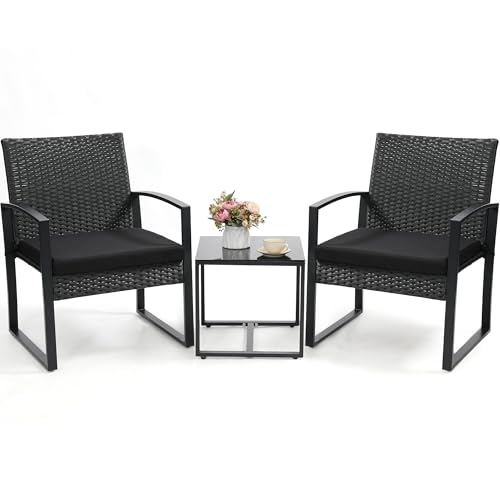
Small Outdoor Patio Set: The Complete Buying Guide
Everything you need to choose a compact patio set that fits your balcony, porch, or deck — without sacrificing comfort, durability, or style.
START WITH SIZINGWhy this guide exists: Most patio furniture advice assumes you have a sprawling backyard. If your outdoor space is a city balcony, a narrow porch, or a compact deck, the rules change. This guide walks you through exact measurements, material trade-offs, and layout decisions so you can pick a small outdoor patio set that genuinely works in your space — and avoid the return-shipping headache that comes with furniture that is an inch too wide.
How to Measure Your Space Before You Buy
Before browsing any product, spend ten minutes with a tape measure. Nearly every disappointing small-patio purchase traces back to skipped measurement, not a bad product. Follow this sequence:
- Measure the usable floor area — not the wall-to-wall distance. Subtract anything that intrudes: planters, drainpipes, air-conditioning units, or a grill.
- Mark door swing zones. A balcony door that swings outward can eliminate a full corner of your usable space. Note the arc it sweeps.
- Identify your walkway. If the patio is also the path to a storage shed or garden gate, that lane needs roughly 36 inches of clear width.
- Sketch it on paper. Draw the outline to scale and shade the areas furniture can occupy. This rough sketch becomes your shopping filter.
A practical rule that saves most people from mistakes: a two-person bistro set needs a footprint of about 5 by 5 feet to be comfortable, while a four-chair dining set needs roughly 8 by 8 feet. If your space falls between those numbers, a small outdoor table and chairs for 2 is usually the safer choice than forcing four seats into a tight area.
Clearance rule of thumb
Leave at least 24 inches between the table edge and any wall, railing, or planter on sides where someone sits. Leave 36 inches on any side used as a walkway. Chairs need room to slide back — without it, the set technically fits but feels unusable.
Which Type of Small Patio Set Fits Your Space?
Small outdoor patio sets generally fall into five configurations. Matching the configuration to your space and your actual habits matters more than any single product specification.
1. Two-Seat Bistro Sets
The classic compact solution. A round or square table around 24 to 30 inches wide paired with two chairs. Ideal for morning coffee, reading, or a light meal for two. If your balcony is narrow, a small bistro table set is often the only configuration that leaves a comfortable walkway. For deeper balconies, a small outdoor bistro table and 2 chairs adds a bit more table surface without much extra footprint.
2. Small Dining Sets for Four
Only worth considering if you have the 8-by-8-foot minimum. A four-seat set turns a compact patio into a genuine outdoor dining room, but cramming one into a 6-by-6 space creates a set you will avoid using. If you host regularly and have the room, a small round patio table with 4 chairs is more forgiving in tight corners than a rectangular table.
3. Balcony and Porch Sets
Balconies impose two extra constraints: railings and wind. Sets designed specifically for balconies tend to be lighter, narrower, and sometimes foldable. Browse small balcony furniture sets if you need pieces that can be rearranged or stored seasonally. For a covered front porch, a small table and chair set for the porch works well because the overhead cover reduces weathering concerns.
4. High-Top and Bar-Height Sets
Counter-height and bar-height sets are a smart trick for very small patios: they occupy a similar footprint to a standard dining set but feel less visually heavy, and they let you see over a balcony railing. A small outdoor high-top table and chairs is a strong pick for urban balconies with a view.
5. Sets With a Fire Pit
If you want evening ambiance, a compact set paired with a fire pit extends usability into cooler months. A small outdoor patio set with fire pit combines seating and warmth in one footprint, but check local regulations on open flame for balconies and covered porches before committing. A smokeless tabletop fire pit is a lower-commitment alternative for tight spaces.
Material Comparison: What Holds Up Best on a Small Patio?
On a large patio, a mediocre material can be tolerated. On a small set, every component is under constant scrutiny — you sit in it daily and see every scratch. Use this comparison as your shortlist filter.
| Material | Market Tier | Best For | Key Trade-Off |
|---|---|---|---|
| Powder-coated aluminum | Mid-range to premium | Balconies, humid climates, anyone who repositions furniture | Lightweight can mean wind movement — choose frames with weighted bases on exposed balconies |
| Resin wicker over steel | Entry-level to mid-range | Comfort-focused seating, covered porches, family use | Can fade under intense direct sun; check UV rating on the weave |
| Teak or acacia wood | Mid-tier to high-end tier | Design-forward patios, natural warmth, cooler climates | Needs periodic oiling or sealing to prevent cracking and graying |
| Steel with rust-proof finish | Essential tier | Fixed placement, covered patios, heavier feel | Heavier to move; verify the coating warranty — chips expose bare metal |
| High-grade HDPE resin | Mid-range | Coastal and rainy climates, low-maintenance households | Limited style range; can look utilitarian compared to wood or wicker |
For most small-patio owners in mixed climates, powder-coated aluminum with a weather-resistant coating offers the best balance: it resists rust, stays manageable to move when you clean underneath, and is competitive within its class on longevity. If your priority is comfort over everything, resin wicker over a steel frame is a solid choice for the tier.
Shade, Storage, and the Accessories That Actually Matter
On a compact patio, accessories are not optional extras — they determine whether the space works. Three categories deserve attention before you finalize any purchase.
Umbrella Compatibility
If your patio gets direct afternoon sun, an umbrella hole in the table is worth prioritizing. Look for a small outdoor table with a hole for an umbrella, or a small glass patio table with umbrella hole if you prefer a lighter visual weight. For extremely tight spaces where a full umbrella is impractical, a small outdoor umbrella with a compact canopy can still provide usable shade.
Storage and Cushion Care
Cushions are the first thing to degrade on an uncovered patio. A small outdoor storage box doubles as a bench and keeps cushions dry between uses. If your balcony has no covered storage, a small deck box is a worthwhile investment — it extends cushion life more than any cleaning product.
Side Tables and Small Surfaces
A dedicated side table removes the need to balance drinks on chair arms. A small outdoor side table is easy to tuck beside a bistro chair, and a concrete side table adds weight and stability on windy balconies.
Pre-Purchase Checklist for Small Patio Sets
- Measured usable floor area, excluding planters and door swing zones
- Confirmed at least 24 inches clearance on seating sides, 36 inches on walkways
- Checked whether the set fits through your door and stairwell during delivery
- Verified frame material suits your climate (humidity, salt air, direct sun)
- Confirmed cushion fabric has UV resistance and quick-dry foam
- Decided whether an umbrella hole is required for afternoon shade
- Planned storage for cushions during rain or off-season
- Checked assembly requirements and available tools
Layout Ideas That Make Small Patios Feel Larger
Furniture arrangement does more for perceived space than furniture size. Four layout principles consistently work on compact patios:
- Push seating toward the edges. Centering a table in a small patio wastes the perimeter. Tucking a set against a railing or wall opens the middle as walkable space.
- Use round tables in corners. A small round patio table with 2 chairs softens a corner and avoids the awkward gap a square table leaves behind.
- Keep one dominant vertical element. A single umbrella or tall planter draws the eye upward and makes a narrow space feel taller. Avoid clustering several tall items.
- Layer with an outdoor rug. A rug visually anchors the set and separates the furniture zone from walkways, which helps a small patio read as an intentional room rather than leftover floor space.
If your space is genuinely tiny — a Juliet balcony or a narrow fire escape landing — a small chair and table set for balcony or a foldable balcony set is the realistic starting point. For broader inspiration on compact layouts, see our guide to small patio design.
Common Buying Mistakes to Avoid
These four mistakes account for most small-patio furniture returns:
- Buying for the photo, not the measurement. Product photos are shot in large spaces. Trust your tape measure over the listing image every time.
- Ignoring chair pull-back space. A table that fits perfectly against a wall is useless if chairs cannot slide back far enough to sit down. Leave the 24-inch clearance.
- Overlooking wind exposure. Upper-floor balconies catch wind that ground-level patios never see. Weighted bases, heavier frames, or tie-down points matter more than style here.
- Skipping cushion storage. Cushions left out through rain and sun will look worn within a season. Budget for a storage box from the start rather than replacing cushions later.
Frequently Asked Questions
What size patio set fits on a small balcony?
A two-seat bistro set with a table measuring roughly 24 to 30 inches across is the most reliable fit for a small balcony. Measure your usable floor area first, then leave at least 24 inches of clearance around the table so chairs can slide in and out comfortably.
Is a bistro set or a small dining set better for a compact patio?
A bistro set is better for one or two people who mainly want coffee or casual meals outdoors. A small dining set with four chairs makes sense only if your patio is at least 8 by 8 feet, because four chairs need room to pull back without hitting walls or railings.
Which material holds up best on a small outdoor patio set?
Powder-coated aluminum is the strongest all-around choice for small patios because it resists rust, stays light enough to move, and handles rain without swelling. Teak and acacia offer a warmer look but need periodic sealing, while resin wicker is comfortable and forgiving but can fade under intense sun over time.
How much clearance do I need around a small patio table?
Plan for at least 24 inches of clearance on every side where a chair will sit, and 36 inches on any side used as a walkway. This keeps the set usable without making the space feel cramped.