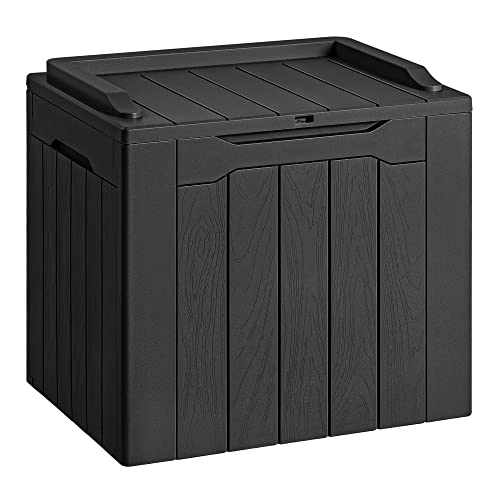
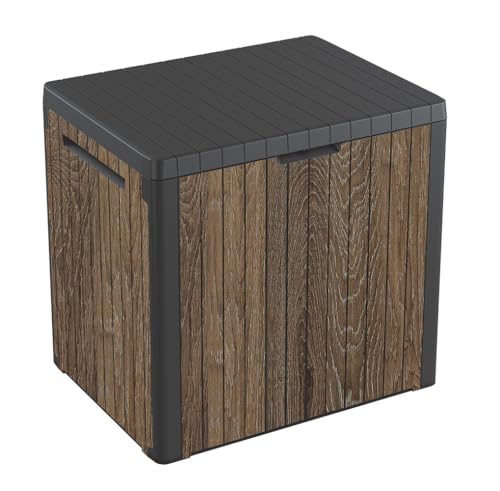
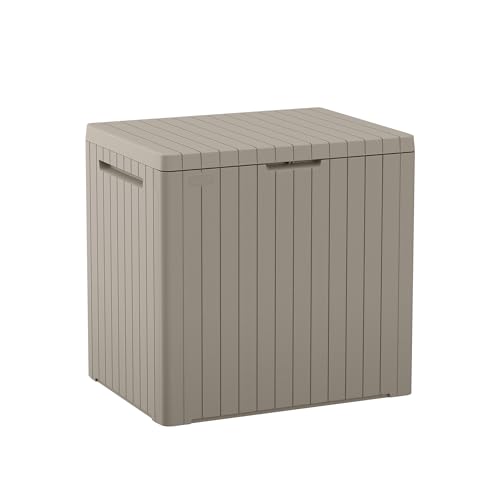
Small Outdoor Storage Box: The Complete Buyer's Guide
Protect cushions, tools, and patio essentials with a compact storage solution built for real outdoor conditions. Learn how to choose the right size, material, and feature set before you commit.
Why this guide matters: A small outdoor storage box is one of the most practical upgrades for any patio, deck, or balcony. It keeps your space clutter-free, shields belongings from rain and UV damage, and often doubles as extra seating. This guide walks you through every decision point so you can choose with confidence.
What Is a Small Outdoor Storage Box?
A small outdoor storage box — sometimes called a deck box or patio storage container — is a weather-resistant compartment designed to hold outdoor items while sitting exposed to the elements. Unlike indoor storage bins, these boxes are engineered with sealed lids, drainage-friendly bases, and materials that resist moisture, fading, and pests.
Compact models typically hold between 30 and 100 gallons of volume. That range covers everything from a few folded chair cushions to garden tools, pool accessories, grill covers, and children's toys. Because they occupy minimal floor space, they suit balconies, small patios, and tight deck corners where larger storage furniture would overwhelm the layout.
If you are still mapping out your outdoor footprint, our small patio planning guide pairs well with this article and helps you allocate space intelligently before adding storage.
Why Invest in a Compact Outdoor Storage Box?
Outdoor living spaces age quickly when clutter builds up. Cushions left in the rain absorb moisture, tools rust, and loose items blow around during storms. A dedicated storage box solves several problems at once:
- Weather protection: Keeps rain, dew, and UV rays away from fabrics and finishes.
- Clutter control: Consolidates loose items into one tidy footprint.
- Extended product life: Reduces wear on cushions, covers, and accessories.
- Dual functionality: Many models feature a weight-rated lid that works as a bench or side surface.
- Pest deterrence: Sealed construction keeps insects and small animals out.
For households that entertain often, a storage box also speeds up setup and teardown. Everything you need lives in one place, protected and ready to deploy.
Key Factors to Evaluate Before Buying
1. Size and Capacity
Measure your available floor space and the items you plan to store. A common mistake is buying a box that fits the location but not the contents — or vice versa. Fold your largest cushion, stack the tools you intend to store, and note the dimensions. Add two to three inches of clearance on each side for easy loading and airflow.
Capacity guidance by use case:
- 30–50 gallons: Throws, small tools, pool toys, grill accessories.
- 50–75 gallons: Two to four standard chair cushions, gardening supplies.
- 75–100 gallons: Larger cushion sets, folding chairs, combined tool and toy storage.
2. Material and Construction
The material determines durability, maintenance needs, and appearance. Resin and polypropylene dominate the market because they resist moisture and UV degradation without requiring painting. Heavy-duty steel with a rust-proof finish offers superior security for tools and valuable equipment. Wood and wicker blends deliver a decorative look that suits traditional patio styles, though they demand periodic sealing.
Regardless of material, check for sealed seams, a gasketed lid, and a raised base. These three features separate genuinely weather-resistant boxes from decorative containers that merely look the part. A ventilated design is also worth considering — it reduces condensation buildup that can cause mildew inside sealed compartments.
3. Waterproofing and Ventilation
True waterproofing requires more than a tight lid. Look for overlapping lid edges, rubber gaskets, and drainage channels that route water away from the interior. Some premium models include built-in ventilation ports that allow moisture to escape while keeping rain out. If you store damp items like pool towels, ventilation becomes especially important.
Placement matters too. Set the box on a level, well-drained surface. Avoid low spots where water pools during heavy rain. A small riser or paver base can lift the box slightly and improve airflow underneath.
4. Security and Locking Options
If the box will hold tools, electronics, or other valuable items, look for a lockable lid. Many mid-range and premium models include a padlock-compatible latch. For low-risk storage of cushions and toys, a simple snap-lid closure is sufficient. Consider how easily the lid opens — a smooth, well-balanced hinge makes daily use far more pleasant.
5. Seating Functionality
Dual-purpose boxes with weight-rated lids add seating without consuming extra square footage. Look for reinforced construction and a flat, sturdy top surface. These models are especially useful on compact decks and balconies where every item must earn its place. Pair one with a small outdoor side table to complete a functional seating corner.
Quality Tiers: How Storage Boxes Compare
Rather than comparing absolute figures, it helps to understand how products position themselves in the market. The table below uses universal tier descriptors to help you match expectations to build quality.
Essential Tier
Basic resin construction with a snap-fit lid. Suitable for light-duty storage of cushions and toys in sheltered locations. Expect simpler hinges and limited weather sealing.
Balanced Tier
Reinforced resin or steel with gasketed lids and lockable latches. Good value for its tier, with improved weather resistance and smoother opening mechanisms.
Top-Tier
Heavy-duty construction with commercial-grade sealing, UV-stable finishes, and weight-rated seating lids. A long-term investment for exposed locations and daily use.
Across all tiers, the best small outdoor storage box is the one that matches your climate, contents, and available space. A balanced-tier model with a gasketed lid often delivers the strongest overall experience for typical residential patios.
Comparison Table: Storage Box Categories
| Tier | Material Focus | Best For | Key Features |
|---|---|---|---|
| Essential Tier | Standard resin | Light cushion and toy storage | Snap lid, basic latch, lightweight |
| Balanced Tier | Reinforced resin or steel | Daily patio use, mixed contents | Gasketed lid, lockable latch, UV coating |
| Top-Tier | Heavy-duty resin or high-grade steel | Exposed decks, tools, seating use | Commercial-grade sealing, weight-rated lid, reinforced hinges |
Placement and Layout Tips
Where you place the box affects both convenience and longevity. Position it near the items it stores — beside the seating area for cushions, near the grill for tools, or close to the door for quick access. Keep at least a few inches of clearance on all sides to allow airflow and prevent moisture trapping.
On a balcony or compact deck, a corner placement usually maximizes usable space. If the box doubles as seating, orient it toward the conversation area. You can extend the setup with a small outdoor storage cabinet with shelves for items that benefit from organized vertical storage.
For a cohesive look, choose a finish that complements your existing furniture. Neutral tones like charcoal, sand, and deep olive blend easily with most patio palettes. If your space leans modern, a streamlined rectangular box works well; for rustic settings, a wood-look resin model fits naturally.
Maintenance Best Practices
A small outdoor storage box requires minimal upkeep, but a few habits extend its service life considerably:
- Rinse the exterior seasonally with mild soap and water to remove pollen and dirt.
- Check gaskets and seals at the start of each season; replace worn gaskets promptly.
- Dry the interior thoroughly after storing damp items.
- Apply a UV-protective sealant to wood or painted metal surfaces annually.
- Clear drainage channels of debris before heavy rain seasons.
- Tighten hinges and latches periodically to maintain smooth operation.
If you live in a region with harsh winters, consider moving the box to a sheltered location during the coldest months. Even weather-resistant materials benefit from reduced exposure to freeze-thaw cycles.
Common Mistakes to Avoid
Buyers often overlook details that become frustrating later. Watch for these pitfalls:
- Underestimating contents: Measure folded cushions and stacked tools before choosing capacity.
- Ignoring drainage: A flat base without drainage channels can trap water.
- Overlooking lid weight: Heavy lids are difficult to open one-handed; test the hinge action if possible.
- Skipping ventilation: Fully sealed boxes can develop condensation and odors.
- Choosing appearance over sealing: Decorative wicker boxes may lack the gaskets needed for true weather protection.
Frequently Asked Questions
What is the best material for a small outdoor storage box?
Resin and high-grade polypropylene are the most popular choices because they resist moisture, UV rays, and insects. Heavy-duty steel with a rust-proof finish offers superior security for tools, while wood and wicker blends suit decorative patio settings. For long-term outdoor use, a weather-resistant coating is essential regardless of material.
How do I keep my outdoor storage box waterproof?
Choose a box with sealed seams, a gasketed lid, and a raised base. Place it on a level surface and periodically check drainage channels. A ventilated model reduces condensation, and applying a UV-protective sealant to wood or metal extends the weather-resistant coating's life.
What size storage box do I need for patio cushions?
Measure your folded cushions and add a few inches of clearance on each side. A small outdoor storage box in the 50–100 gallon range typically holds two to four standard chair cushions, while a compact 30–50 gallon model suits throws, small tools, or pool accessories.
Can a small outdoor storage box double as seating?
Yes. Many deck boxes are designed with a weight-rated lid that functions as a bench. Look for reinforced construction and a flat, sturdy top. These dual-purpose models are ideal for small patios where every square foot matters.
Ready to Organize Your Outdoor Space?
Browse our recommended small outdoor storage boxes below and match the right tier to your patio's needs. Every option is evaluated for weather resistance, build quality, and practical functionality.