Small Outdoor Storage Cabinet with Shelves: The Complete Buying Guide
Keep cushions, tools, grilling gear, and garden supplies tidy, dry, and within reach. Learn exactly what to look for in a compact weather-resistant outdoor cabinet before you buy.
Explore Recommended OptionsWhy this guide matters: A small outdoor storage cabinet with shelves is one of the most practical upgrades you can make to a patio, deck, or balcony. It protects everyday items from rain, sun, and pests while keeping your outdoor space organized. This guide walks you through materials, shelf configurations, weather protection, sizing, and placement so you can choose with confidence.
What Is a Small Outdoor Storage Cabinet with Shelves?
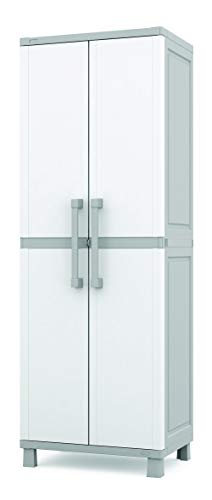
A small outdoor storage cabinet with shelves is a compact, weather-resistant unit designed to live outside year-round. Unlike open deck boxes, it features doors and internal shelving that let you organize items vertically rather than piling everything into one bin. Typical footprints range from narrow 18-inch-wide towers to two-door units roughly 36 inches wide, making them well suited to patios, porches, balconies, and garden corners.
Because the shelves divide the interior, you can separate categories of items: a top shelf for light gardening supplies, a middle shelf for grilling tools, and a lower shelf for heavier items such as potting soil or a small tool bag. This vertical organization is the main advantage over a standard small deck box, which offers volume but little structure.
Materials: Choosing the Right Build for Your Climate
The cabinet's material determines how long it lasts and how much maintenance it needs. Here is how the three most common builds compare.
Resin & Plastic
Rust-proof, lightweight, and low maintenance. High-grade resin resists UV fading and never needs painting. Best for wet climates and homeowners who want a set-and-forget solution. Entry-level to mid-range options dominate this category.
Powder-Coated Steel
Sleek appearance, strong load capacity, and good security. A powder-coated finish resists rust, but chips need prompt touch-ups. Mid-range to premium tiers offer heavier-gauge steel and reinforced shelves.
Treated Wood
Warm, natural look that suits rustic and farmhouse patios. Requires periodic sealing to maintain weather resistance. High-end tier wooden cabinets often use cedar or teak for natural rot resistance.
Shelf Configuration: Fixed vs. Adjustable
Not all shelves are created equal. Before ordering, check how the shelves are mounted and whether they can move.
- Adjustable shelves let you reconfigure the interior as your storage needs change, which is especially useful in narrow cabinets.
- Fixed shelves are typically stronger and better for heavy items, but limit flexibility.
- Reinforced shelf edges prevent sagging when you store dense items such as bags of soil or stacked tools.
- Removable shelves allow tall items like brooms or folding chairs to fit when the shelf is taken out.
If you plan to store a mix of tall and short items, a cabinet with at least one adjustable shelf offers the best balance. For a purely utility-focused setup, fixed reinforced shelves in a waterproof outdoor storage cabinet are often the sturdier choice.
Sizing: How to Match the Cabinet to Your Space
Measure twice before you buy. A cabinet that is slightly too wide will not fit against a wall, and one that is too shallow may not hold the items you intended to store.
| Tier | Typical Footprint | Best For |
|---|---|---|
| Compact / starter tier | Narrow tower, roughly 18–24 inches wide | Balconies, small porches, tight corners |
| Mid-tier two-door | Around 30–36 inches wide | Standard patios, mixed tool and cushion storage |
| High-end tier wide unit | 40 inches and wider | Larger decks, families with multiple storage categories |
Also consider depth: a shallower cabinet (around 15–18 inches deep) is easier to place along a walkway, while a deeper model holds bulkier items but may protrude into traffic areas. If your space is extremely tight, a small outdoor storage box can complement a narrow shelving cabinet by handling oversized items.
Weather Protection Features That Matter
Outdoor storage lives under constant exposure. Prioritize these features to protect your belongings:
- Gasketed doors: a rubber or foam seal keeps wind-driven rain out.
- Sloped or overhanging lid: sheds water away from the door seams.
- Ventilation slots: reduce condensation buildup inside the cabinet.
- Elevated base: keeps the cabinet floor above puddles and damp ground.
- UV-stabilized finish: prevents fading and cracking in direct sun.
If your cabinet will sit fully exposed to rain, place moisture-sensitive items inside sealed bins within the cabinet. Even a well-sealed unit benefits from that extra layer during monsoon or winter storms. For a deeper look at protective covers and seasonal routines, see our weatherproofing guide.
Where to Place Your Cabinet
Placement affects both convenience and longevity. The best spots share three traits: level ground, good drainage, and easy access from the area where you use the stored items.
- Beside the patio door: ideal for cushions, throws, and frequently used tools.
- Under a covered porch or pergola: reduces direct rain and sun exposure.
- Against a wall or fence: saves floor space and provides wind protection.
- Near the grill or garden bed: keeps task-specific supplies close at hand.
Avoid spots where sprinklers spray directly onto the cabinet or where water pools after storms. If the cabinet is tall and lightweight, anchor it to the wall or use weighted feet in windy areas.
Organizing the Interior for Everyday Use
A cabinet with shelves only stays useful if the contents remain accessible. A few simple habits keep it functional:
- Store heavy items on the bottom shelf to keep the center of gravity low.
- Group items by task — grilling, gardening, cleaning — so you grab one bin instead of searching.
- Use clear stackable bins so you can see contents without unpacking.
- Keep frequently used items at chest height and seasonal items on the top shelf.
- Label shelves or bins if multiple family members use the cabinet.
For patios that also need seating storage, a storage bench with cushion can handle overflow while doubling as a seat. Pairing a shelving cabinet with a bench keeps the space organized without clutter.
Cabinet vs. Deck Box vs. Storage Shed
Choosing the right storage type depends on what you need to protect and how much space you have.
| Storage Type | Best For | Limitations |
|---|---|---|
| Small outdoor cabinet with shelves | Organized, vertical storage of mixed items | Less volume than a deck box of similar footprint |
| Deck box | Bulky items like cushions and pool toys | No shelving, contents pile up |
| Storage shed | Large tools, bikes, and lawn equipment | Requires more space and assembly |
Many homeowners use a combination: a shelving cabinet for smaller items and a deck box or outdoor shed for bulky equipment. This split keeps the cabinet organized instead of becoming a catch-all.
Maintenance and Long-Term Care
A few minutes each season extends the life of your cabinet significantly.
- Wipe down the exterior with mild soap and water every few months.
- Inspect door gaskets for cracks and replace them if they harden.
- Touch up chips on powder-coated steel promptly to prevent rust.
- Reapply sealant to wooden cabinets annually or as recommended.
- Clear debris from ventilation slots and the roof during fall.
In snowy regions, brush snow off the roof to prevent stress on the frame. In coastal areas, rinse metal surfaces more frequently to remove salt residue. For broader seasonal routines, our outdoor care section covers furniture and storage maintenance in detail.
Common Mistakes to Avoid
- Buying without measuring: confirm width, depth, and door swing clearance.
- Ignoring the base: a cabinet sitting directly on damp ground will degrade faster.
- Overloading shelves: check the load rating, especially on resin shelves.
- Skipping ventilation: sealed cabinets trap moisture and encourage mildew.
- Storing fabrics unprotected: use sealed bins inside the cabinet for cushions and linens.
Frequently Asked Questions
What should I look for in a small outdoor storage cabinet with shelves?
Focus on weather-resistant materials such as high-grade resin, powder-coated steel, or treated wood. Check that shelves are adjustable or reinforced, confirm door seals and ventilation, and measure your available space before ordering.
Where is the best place to put a small outdoor storage cabinet?
Place it on a level, well-drained surface near the items you use most, such as a covered porch, beside the patio door, or under a pergola. Keep it out of direct sprinkler spray and standing water.
Are resin or metal outdoor storage cabinets better?
Resin cabinets resist rust and never need painting, making them a solid choice for wet climates. Metal cabinets with powder-coated finishes offer a sleeker look and strong load capacity but need occasional touch-ups if the coating chips.
Can I leave a small outdoor storage cabinet outside all year?
Most mid-range and premium weather-resistant cabinets are designed for year-round outdoor use. In heavy snow or monsoon regions, anchor the cabinet, clear snow from the roof, and store electronics or fabrics inside sealed bins.
Ready to Organize Your Outdoor Space?
Browse our recommended small outdoor storage cabinets with shelves and compare features, materials, and shelf configurations side by side.
View Recommended Cabinets