Shed for Trash Cans: The Complete Outdoor Storage Guide
Keep bins out of sight, away from animals, and protected from the weather. This guide covers everything you need to know before choosing a trash can shed for your home.
Explore the GuideWhat Is a Shed for Trash Cans?
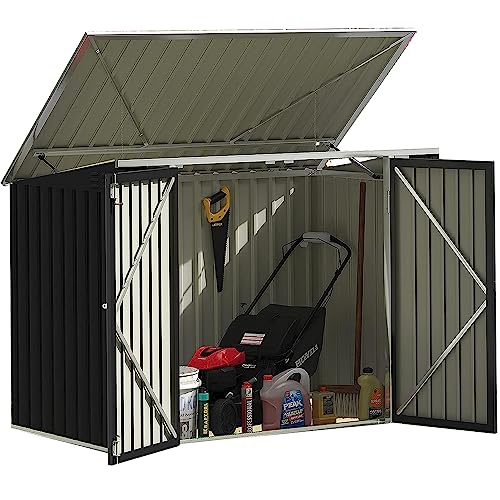
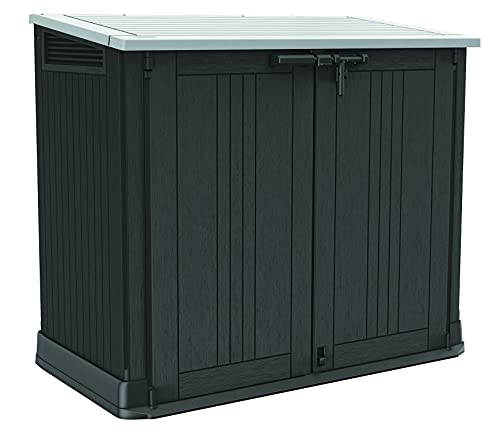
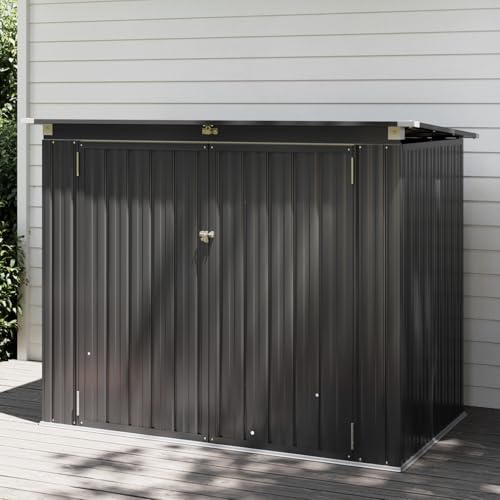
A shed for trash cans is an outdoor enclosure designed to house waste bins, recycling containers, or compost buckets. It usually features a roof, side panels, and doors that hide the bins from view while protecting them from rain, snow, and sun. Some models are simple privacy screens, while others are fully enclosed structures with locking latches and ventilation.
Unlike a general-purpose storage shed, a trash can shed is sized around standard bin dimensions. That means dedicated clearance for lids to open, doors to swing, and bins to slide in and out without scraping the frame. This specialization makes them far more practical than repurposing a garden shed for waste storage.
Homeowners often place these enclosures near a side yard, against a garage wall, or at the edge of a patio. The right placement keeps odors away from living spaces while keeping the bins easy to reach on collection day.
Key Benefits of a Trash Can Shed
Improved Curb Appeal
An enclosure conceals bins and recycling containers, keeping your yard and entryway tidy.
Animal Deterrence
Secure latches and solid panels help keep raccoons, dogs, and rodents away from waste.
Weather Protection
A roof and walls shield bins from rain, which reduces standing water and odors.
Wind Control
Enclosed storage prevents empty bins from tipping or blowing across the yard.
Odor Containment
Ventilated designs move air through the enclosure to reduce trapped smells.
Organized Collection Day
Bins stay in one place, making them easier to roll out and return after pickup.
Types of Trash Can Sheds
Trash can enclosures come in several formats, and the right one depends on how many bins you have, where the shed will sit, and how much privacy you want.
Single-Bin Enclosures
These compact units fit one standard wheeled bin. They suit smaller households or properties with limited space along a side yard. A single-bin model is the simplest option and is often the easiest to install.
Double-Bin Enclosures
A double-bin shed holds two containers side by side, which is ideal for separating trash and recycling. These models require a wider footprint, so measure your available space carefully before choosing.
Horizontal vs. Vertical Designs
Horizontal sheds open from the front, letting you roll bins in and out. Vertical designs are taller and may allow lids to open inside the enclosure. Horizontal models are generally easier for daily use, while vertical models can save ground space.
Privacy Screens and Open-Frame Shelters
If full enclosure is not necessary, an open-frame shelter with a roof and side panels can provide shade and privacy without trapping odors. These are lighter and simpler to assemble than fully enclosed sheds.
Buying Factors to Consider
Before choosing a shed for trash cans, evaluate the following factors. They determine whether the enclosure will fit your bins, survive your climate, and stay convenient over time.
| Factor | What to Look For | Why It Matters |
|---|---|---|
| Bin Capacity | Single, double, or multi-bin designs | Ensures trash and recycling fit without crowding |
| Footprint | Measured width, depth, and height | Prevents returns and installation problems |
| Door Style | Front-opening, top-opening, or removable panels | Affects ease of daily use and collection day |
| Ventilation | Louvered panels, screens, or open gaps | Reduces odors and moisture buildup |
| Security | Latches, hinges, and locking options | Deters animals and keeps bins in place |
| Weather Resistance | Rot-resistant materials and protective finishes | Extends lifespan in rain, sun, and snow |
| Assembly | Pre-assembled vs. flat-pack kits | Affects installation time and required tools |
Measure Before You Choose
Measure the width, depth, and height of your bins with the lids closed. Add clearance on each side for hand access and door swing. If you plan to add a recycling bin later, choose a model with a little extra room rather than a tight fit.
Consider the Tier of Construction
Entry-level models often use lighter panels and simpler hardware. Mid-range sheds typically offer sturdier frames and better fasteners. Premium and high-end tier models use reinforced construction, thicker panels, and more refined door mechanisms. Match the tier to how exposed the shed will be and how often you will use it.
Materials Comparison
The material of your trash can shed affects durability, appearance, and maintenance needs. Here is how common materials compare.
| Material | Strengths | Considerations |
|---|---|---|
| Wood | Natural look, easy to paint or stain | Needs sealing and periodic maintenance |
| Resin / Plastic | Lightweight, weather-resistant, low maintenance | May look less substantial than wood or metal |
| Metal | Heavy-duty feel, strong animal resistance | Choose rust-proof finishes for wet climates |
| Composite | Wood-like appearance with better weather resistance | Often sits in a higher tier for construction quality |
In rainy or humid regions, a rust-proof finish and good ventilation matter more than cosmetic details. In sunny climates, UV-resistant panels help prevent fading and cracking over time.
Installation Tips
A trash can shed performs best when it sits on a stable, level surface. Follow these steps for a smooth installation:
- Choose the location. Pick a spot near your usual bin route but away from patios and entryways where odors could linger.
- Prepare a base. Use pavers, a concrete pad, or compacted gravel. A level base prevents tipping and keeps doors aligned.
- Check clearance. Leave room for doors to open fully and for bins to roll out on collection day.
- Anchor the structure. Secure the shed to the ground or a wall where wind exposure is high.
- Test the fit. Place bins inside and confirm that lids open and close without hitting the roof or frame.
Maintenance and Long-Term Care
Regular maintenance keeps a trash can shed functional and looking good. A simple routine is usually enough:
- Rinse the interior periodically to reduce residue and odors.
- Check latches and hinges every few months and tighten loose fasteners.
- Inspect the roof and panels for cracks or water pooling after heavy storms.
- Reapply protective finishes on wood or composite models according to the manufacturer's guidance.
- Clear debris from vents and gaps so airflow stays consistent.
With basic care, a well-built enclosure can serve as a long-term investment that keeps your outdoor space cleaner and more organized.
Frequently Asked Questions
What size shed do I need for trash cans?
Measure the footprint of your bins and add at least several inches of clearance on each side for easy access. A double-bin enclosure typically needs a wider footprint than a single-bin model, and taller sheds accommodate lids that open upward.
Do trash can sheds need ventilation?
Yes. Ventilation reduces odors, moisture buildup, and condensation inside the enclosure. Look for louvered panels, screened vents, or gaps near the top and bottom of the structure.
Can a trash can shed be placed on grass or dirt?
It can, but a level solid base such as pavers, a concrete pad, or a gravel bed is recommended. A stable base prevents tipping, keeps doors aligned, and makes bin removal easier.
How do I keep animals out of a trash can shed?
Choose a shed with secure latches, self-closing doors, and no large gaps at ground level. Reinforced hinges and solid panels help deter raccoons and other animals.