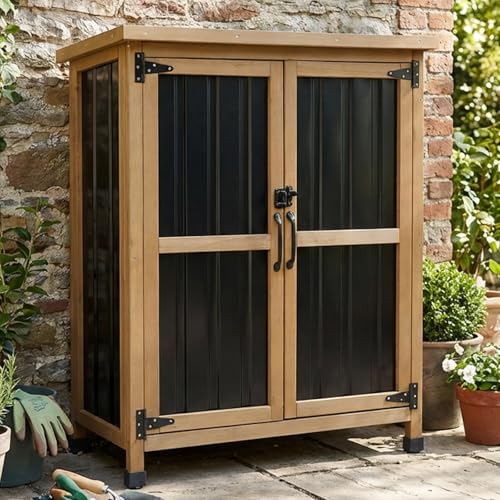
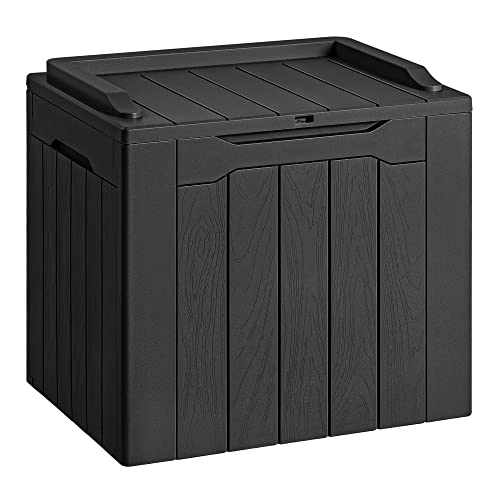
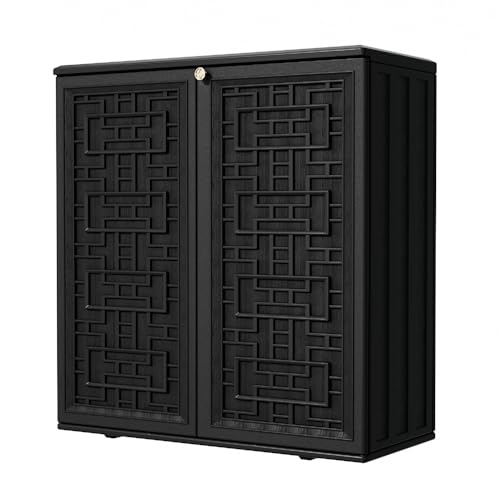
Small Outdoor Storage Cabinets Waterproof: Your Complete Buying Guide
Protect your patio essentials from rain, humidity, and sun damage. Learn how to choose the right waterproof storage cabinet for your outdoor space — no matter how small.
Why this guide matters: If you are researching small outdoor storage cabinets waterproof models, you already know you need a reliable place to keep cushions, tools, or pool accessories dry. This guide walks you through materials, sealing technology, sizing, and real-world performance so you can make a confident purchase decision.
Why Waterproof Storage Matters for Small Outdoor Spaces
Outdoor storage is not just about tidiness — it is about preservation. A small outdoor storage cabinet that is genuinely waterproof protects your belongings from three relentless threats: rain, humidity, and UV exposure. Even a cabinet marketed as "weather-resistant" can fail within a single season if its seals, materials, or drainage design are weak.
For small spaces such as balconies, compact patios, or apartment decks, the stakes are higher. You have less room for error, and every square foot must work harder. A leaky cabinet not only ruins cushions and tools but also creates mold and mildew that can spread to nearby furniture. If you are also outfitting a compact seating area, pairing your storage with a small outdoor patio set helps you plan the layout efficiently from the start.
True waterproofing involves more than a lid. Look for gasketed doors, elevated floor panels, rust-proof hardware, and interlocking panel construction. These features separate a genuinely protective cabinet from a simple box that traps moisture inside.
Materials That Deliver Real Waterproof Performance
Resin and Polypropylene
Resin cabinets are the most common choice for small outdoor storage cabinets waterproof applications. They are molded as a single piece or with interlocking panels, which minimizes seams where water can enter. High-grade resin resists UV fading, does not rust, and wipes clean easily. Entry-level resin cabinets can become brittle in extreme cold, while mid-range and premium resin blends stay flexible and hold their color longer.
Powder-Coated Steel
Steel cabinets offer superior structural rigidity and security. When finished with a rust-proof powder coating and equipped with sealed doors, they perform well in wet climates. However, any scratch that exposes bare metal becomes a corrosion risk. Mid-tier steel cabinets use galvanized substrates, while top-tier models add zinc-rich primers for long-term durability. These are ideal if you need to store heavier items or want a lockable option.
Aluminum
Aluminum is naturally corrosion-resistant and lightweight, making it a strong candidate for balcony storage where weight matters. Premium aluminum cabinets with anodized finishes and sealed joints offer excellent waterproofing without the maintenance concerns of steel. They sit in the mid-range to high-end tier depending on gauge thickness and hardware quality.
HDPE (High-Density Polyethylene)
HDPE is the material behind many premium outdoor storage solutions. It is impervious to moisture, will not rot or crack, and is often used in commercial-grade outdoor furniture. Cabinets made from HDPE with marine-grade stainless hardware represent the top-tier of weatherproofing for residential use.
| Material | Tier | Waterproofing Strength | Best For |
|---|---|---|---|
| Basic Resin | Entry-Level | Moderate — sealed seams required | Covered porches, light rain |
| Premium Resin Blend | Mid-Range | Strong — molded seals, UV-stable | Exposed patios, year-round use |
| Powder-Coated Steel | Mid-Range | Strong — gasketed doors essential | Tool storage, lockable needs |
| Anodized Aluminum | Premium | Excellent — rust-proof, lightweight | Balconies, coastal areas |
| HDPE with Marine Hardware | Luxury | Superior — impervious to moisture | Full exposure, long-term investment |
Key Features to Look For in a Waterproof Cabinet
Sealing and Gasketing
The single most important feature is how the doors close. Rubber or silicone gaskets around the door perimeter create a barrier that prevents driven rain from entering. Premium cabinets use compression latches that pull the door tight against the gasket, while entry-level models may rely on simple friction fit. Check that the bottom edge of the door has a drip lip or overlapping flange.
Elevated Floor Panel
Water pools on the ground during heavy rain. A cabinet with a raised interior floor keeps your stored items above standing water. Some models include slatted bottoms for drainage and airflow, which also reduces condensation buildup inside.
Rust-Proof Hardware
Hinges, latches, and screws are the weak points of any outdoor cabinet. Stainless steel or marine-grade hardware is non-negotiable for long-term waterproofing. Zinc-plated hardware may survive a season or two but will eventually corrode in humid climates.
Ventilation Without Leakage
Some cabinets include covered vents that allow air circulation while blocking rain. This is especially useful in humid regions where trapped moisture causes mildew. Look for vents positioned on the sides or back with downward-facing louvers.
Locking Mechanism
If you store valuable tools or equipment, a lockable cabinet adds security. Keyed locks or padlock-compatible hasps are common. Ensure the lock housing is sealed so water cannot enter through the keyhole.
Sizing Your Small Outdoor Storage Cabinet
"Small" means different things to different people. Before you shop, measure your available footprint and consider what you need to store. A common mistake is buying a cabinet that is too shallow — cushions and folded chairs need depth. Here are practical sizing guidelines:
- Compact (under 30 inches wide): Best for balconies or narrow patios. Suitable for small tools, garden gloves, and cleaning supplies. Pairs well with a small outdoor side table to create a functional corner.
- Medium (30–48 inches wide): The sweet spot for most patios. Fits folded cushions, small pool accessories, and BBQ tools. Works alongside a small outdoor table and chairs for 4 without overwhelming the space.
- Vertical (tall and narrow): Ideal for storing long-handled tools, umbrellas, or brooms. Takes up minimal floor space and can tuck into a corner.
- Bench-style: Combines seating with storage. A small outdoor bench with a lift-up lid doubles as a functional seat and a weatherproof compartment.
Always check the internal dimensions, not just the external footprint. Door clearance and hinge swing also matter in tight spaces. If your patio is especially compact, review our guide to small patio layout strategies to make every inch count.
Pros and Cons of Popular Cabinet Types
✅ Resin Cabinets
- Never rusts or rots
- Lightweight and easy to move
- Low maintenance — hose off to clean
- Available in many colors and sizes
- Good value for its tier
⚠️ Resin Cabinets
- Can fade in intense UV over time
- Entry-level models may crack in freezing temperatures
- Less secure than metal options
- Some models arrive with loose-fitting panels
✅ Metal Cabinets
- Superior strength and security
- Lockable options widely available
- Clean, modern appearance
- Holds heavier items without sagging
⚠️ Metal Cabinets
- Susceptible to rust if coating is damaged
- Heavier and harder to relocate
- Can heat up in direct sun
- Requires periodic inspection of seams
Placement Tips for Maximum Protection
Even the best waterproof cabinet performs better when placed thoughtfully. Position it on a level surface — pavers or a concrete pad — rather than directly on soil or grass. This prevents water from wicking up through the base. If possible, place the cabinet against a wall or under an eave to reduce direct rain exposure.
Avoid placing the cabinet where sprinklers hit it regularly, and ensure the ground beneath drains well. In coastal areas, rinse the exterior monthly to remove salt deposits that accelerate corrosion. If your patio layout includes a dining zone, position the cabinet near your small outdoor dining table with umbrella hole so table linens and cushions are always within reach.
For balconies, choose a cabinet that fits below the railing height to preserve your view. A small balcony set paired with a slim vertical cabinet creates a cohesive, uncluttered look. If you also maintain a garden area, a small deck box can supplement your cabinet for bulkier items like potting soil bags.
Maintenance That Extends Cabinet Life
Waterproof does not mean maintenance-free. A few simple habits keep your cabinet performing at its best:
- Inspect gaskets seasonally: Clean them with a damp cloth and apply a silicone-based lubricant to prevent cracking.
- Clear drainage channels: If your cabinet has vents or drainage slots, remove debris that blocks airflow.
- Tighten hardware: Loose hinges and latches compromise the seal. Check screws twice a year.
- Clean the exterior: Use mild soap and water. Avoid abrasive cleaners that scratch protective coatings.
- Check after storms: Look for water intrusion and address any issues immediately before mold develops.
If you store fabric items like cushions inside, consider adding a moisture absorber packet or a small rechargeable dehumidifier. This is especially important in humid climates where condensation forms inside even well-sealed cabinets. For broader outdoor maintenance strategies, explore our weatherproofing guide.
Ready to Protect Your Outdoor Essentials?
Browse our curated selection of small outdoor storage cabinets waterproof models below. Each option is chosen for its sealing quality, material durability, and suitability for compact spaces.