Small Outdoor Side Table: The Complete Buying Guide
Everything you need to choose the perfect compact side table for your patio, balcony, or deck. Compare materials, sizes, styles, and features to find the right fit for your outdoor space.
Explore Top PicksWhy a small outdoor side table matters: A well-chosen side table transforms an outdoor seating area from merely functional into genuinely comfortable. It holds your drink, book, or snack within easy reach, anchors a lounge chair or sofa visually, and adds a finishing touch to your patio layout. In compact spaces, the right side table delivers maximum utility without consuming precious square footage.
In This Guide
What Is a Small Outdoor Side Table?
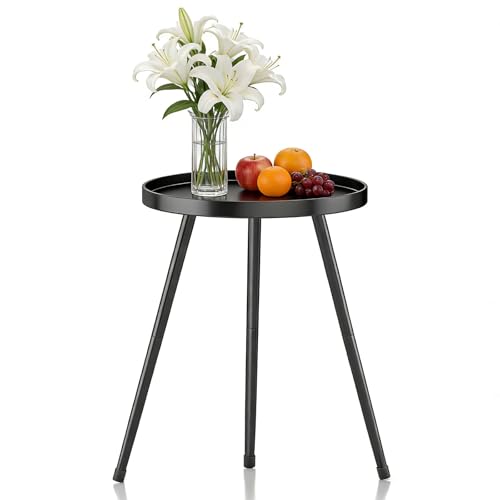
A small outdoor side table is a compact, weather-ready accent table designed to sit beside patio seating. Unlike full-size dining or coffee tables, side tables prioritize accessibility and a small footprint. They typically measure between 12 and 20 inches in width or diameter, with heights ranging from 18 to 24 inches — roughly level with the armrest of a standard patio chair or the seat of a lounge sofa.
These tables go by many names: patio side table, outdoor end table, accent table, or drink table. Regardless of the label, the purpose is the same — to bring functionality within arm's reach. Many models now include thoughtful extras such as lower shelves, built-in cup holders, umbrella holes, or nesting designs that let two tables share one storage footprint.
If you are furnishing a compact area, a small patio layout benefits enormously from one or two well-placed side tables. They create usable surfaces without the visual weight of larger furniture pieces.
Why a Small Outdoor Side Table Belongs in Every Patio Setup
Outdoor living is at its best when it feels effortless. Reaching for a drink or setting down a plate should not require standing up or balancing items on your lap. A side table solves this with minimal space commitment. Here is what a well-chosen side table brings to your outdoor space:
- Convenience at arm's reach: Keeps drinks, snacks, phones, and reading materials within easy reach of your seat.
- Space efficiency: Occupies less than two square feet while delivering a full usable surface.
- Visual balance: Anchors lounge chairs and sofas, completing the seating arrangement.
- Flexibility: Lightweight models can be repositioned between the sofa, lounge chair, and dining area as needed.
- Style accent: A distinctive side table — concrete, woven, or sculptural — adds personality to the patio.
For anyone assembling a small patio furniture collection, side tables are among the highest-utility pieces you can add. They pair naturally with a small lounge chair or a small outdoor patio set, and they work equally well beside a small bistro table set on a balcony.
Size & Shape Guide: Finding the Right Fit
Side table sizing depends on the seating it accompanies and the space available. Use this guide to match dimensions to your layout:
| Shape | Typical Dimensions | Best For | Notes |
|---|---|---|---|
| Round | 12–18 in diameter | Lounge chairs, tight corners | No sharp corners; easy to walk around |
| Square | 14–18 in per side | Between two chairs | Maximizes usable surface in compact footprint |
| Rectangular | 16–20 in × 10–14 in | Sofa ends, narrow balconies | Fits slim spaces beside seating |
| Nesting set | 12–16 in (each) | Flexible layouts | Two tables share one storage footprint |
Height matters as much as width. A side table should sit within one to two inches of your chair's armrest height. If your table is too low, reaching for a drink becomes awkward; too high, and the table may block sightlines or feel top-heavy. Measure the armrest height of your existing seating before shopping.
If your seating includes a set of 2 patio chairs with cushions or a set of 4 patio chairs with cushions, a shared side table between pairs keeps the arrangement cohesive. For balcony settings, a small outdoor table and chairs for balcony combination often benefits from an additional side table for drinks and small items.
Material Comparison: Durability Meets Design
The material you choose determines how well the table handles sun, rain, and seasonal changes — as well as how it looks in your space. Here is how the most common materials compare:
Powder-Coated Aluminum
Aluminum is lightweight, rust-resistant, and available in a wide range of finishes. Powder coating adds a durable, chip-resistant layer that stands up well to UV exposure. It is the most popular choice for modern and minimalist patios. A well-made aluminum side table can remain outside year-round in most climates. Look for a small metal patio table with umbrella hole if shade is a priority.
Teak and Acacia Wood
Wood brings warmth and natural texture to outdoor spaces. Teak is naturally weather-resistant due to its oil content, while acacia offers similar durability at a more accessible position within the wood category. Both develop a silver-grey patina over time unless oiled annually. A small outdoor side table in wood pairs beautifully with rustic and farmhouse-style seating. Wood tables benefit from covers during harsh winters.
High-Density Polyethylene (HDPE)
HDPE is an engineered plastic that resists fading, cracking, and moisture. It is heavier than aluminum but requires virtually no maintenance. Many HDPE tables are made from recycled materials, making them an eco-conscious option. They work well in coastal and humid environments where wood might struggle.
Weather-Resistant Wicker and Rattan
Synthetic wicker woven over an aluminum frame delivers a classic, textured look without the fragility of natural rattan. It suits coastal, bohemian, and traditional styles. Check that the weave is tight and the frame is rust-proof — a reinforced aluminum frame is the standard for quality wicker pieces.
Concrete
Concrete side tables are heavy, stable, and visually striking. They resist wind and won't tip in breezy conditions. A concrete side table works especially well in modern and industrial-inspired patios. The trade-off is weight — concrete tables are difficult to move once placed, so choose the location carefully.
For poolside settings, a small poolside table in aluminum or HDPE is ideal because these materials handle splashes and chlorinated water with ease. If you need a table that can hold an umbrella, a small patio side table with umbrella hole or a small outdoor side table with umbrella hole adds shade without a separate base.
Key Features to Evaluate Before Buying
Small side tables look similar at a glance, but the details separate a piece that lasts for years from one that disappoints after a single season. Check these features:
- Weight and stability: A table that tips in the wind is a hazard. Heavier materials like concrete or solid wood stay put; lightweight aluminum tables may need a weighted base or a sheltered location.
- Surface finish: Powder coating, sealed wood, and UV-stabilized resin resist fading and chipping. Unfinished or thin coatings degrade quickly in direct sun.
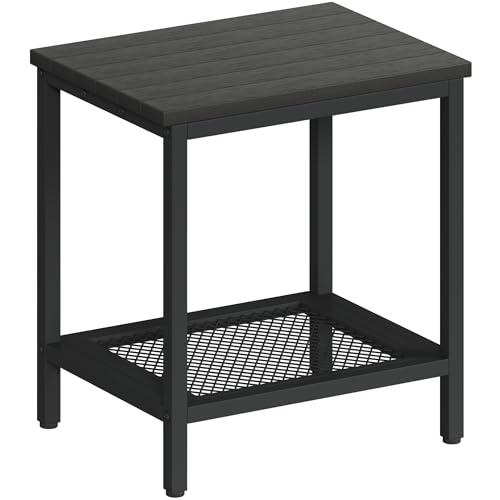
- Lower shelf or storage: A second surface doubles utility — stack books, magazines, or a small planter beneath the main tabletop.
- Umbrella hole: Useful if you want shade directly over a seating nook. Ensure the hole diameter matches your umbrella pole.
- Nesting capability: Nesting tables save space when not in use and offer flexible surface area when guests arrive.
- Assembly requirements: Most side tables assemble in minutes with basic tools. Check whether hardware is included and whether the design allows tool-free assembly.
- Floor protection: Rubber or plastic glides prevent scratches on decking and patio pavers.
If you are outfitting a porch or balcony, a small table and chair set for porch or a small table and chair set for balcony can be complemented by a side table that matches the material and finish for a cohesive look.
Style & Placement Ideas
Where you place a side table — and how it looks — shapes the overall feel of your outdoor room. Consider these placement strategies:
Between Two Lounge Chairs
A shared round or square table between a pair of set of 2 outdoor chaise lounge chairs creates a conversation-friendly arrangement. Choose a table with a lower shelf for sunscreen, sunglasses, and a water bottle.
At the End of a Sofa
An outdoor sofa or sectional benefits from an end table that matches its height. A small outdoor coffee table with umbrella hole can serve as a central surface, while a side table handles personal items. For sectional layouts, a small outdoor sectional with dining table arrangement often includes side tables at each end.
On a Narrow Balcony
Balconies reward vertical thinking. A folding or nesting side table that tucks against the railing preserves walking space. Pair it with a small chair and table set for balcony for a complete micro-lounge.
Beside a Bistro Set
A side table adds landing space to a small outdoor bistro table and 2 chairs or a small round patio table with 2 chairs. It holds the items that would otherwise crowd the main tabletop.
Poolside and Deck Corners
Poolside, choose rust-proof materials and a stable base. On decks, look for glides that protect the wood surface. A small deck box nearby can store cushions and covers, keeping the side table clear.
For a cohesive patio, repeat the material of your primary furniture in the side table. If your seating is sling outdoor chairs with aluminum frames, an aluminum side table matches naturally. If you have a settee upholstered in a woven fabric, a wicker side table echoes the texture.
Quality Tiers Explained
Small outdoor side tables span a wide range of construction quality. Rather than focusing on numbers, understand what each tier delivers so you can match the table to your usage and climate:
| Tier | Typical Construction | Best For | Expected Lifespan |
|---|---|---|---|
| Entry-Level | Thin-gauge steel or basic resin; simple finishes | Occasional use, sheltered balconies, seasonal setups | A few seasons with care |
| Mid-Range | Powder-coated aluminum or sealed acacia; reinforced joints | Regular use, most climates, family patios | Several years with routine maintenance |
| Premium | Heavy-gauge aluminum, solid teak, high-quality HDPE; UV-stable finishes | Year-round exposure, coastal or humid climates | Many years; often a long-term investment |
| Luxury | Solid concrete, marine-grade hardware, hand-finished wood or stone tops | Design-focused patios, permanent installations | A decade or more with minimal care |
Mid-range models typically offer the best balance of durability and design flexibility for most homeowners. Premium tiers make sense when the table will face full sun, salt air, or year-round exposure. Entry-level pieces suit renters, seasonal users, or covered spaces where weather exposure is minimal.
Buying Checklist: What to Confirm Before You Commit
Use this checklist to evaluate any side table you are considering:
- Measure your seating height. The tabletop should sit within one to two inches of the armrest or seat height of the chairs it will serve.
- Confirm the footprint. Mark the intended spot on your patio with tape. A table that blocks a walkway or door swing will frustrate daily use.
- Check the weather rating. Look for explicit statements about UV resistance, rust-proofing, and water resistance.
- Assess stability. A wider base or heavier material resists tipping. If the table is lightweight, consider a sheltered placement.
- Review the assembly and warranty. A solid warranty signals confidence in the construction. Confirm that replacement parts are available.
- Match the finish to your existing furniture. Material and color consistency makes the patio feel intentional rather than pieced together.
- Plan for storage. If the table will move seasonally, choose a lightweight model and a nearby small outdoor storage box for cushions and accessories.
If your patio includes a dining zone, a small outdoor dining table with umbrella hole handles meals, while a side table handles drinks and personal items during relaxed evenings.
Frequently Asked Questions
Ready to Complete Your Patio Setup?
Explore our hand-picked selection of small outdoor side tables below. Compare materials, features, and styles to find the right fit for your space.
View Top PicksRelated Guides: