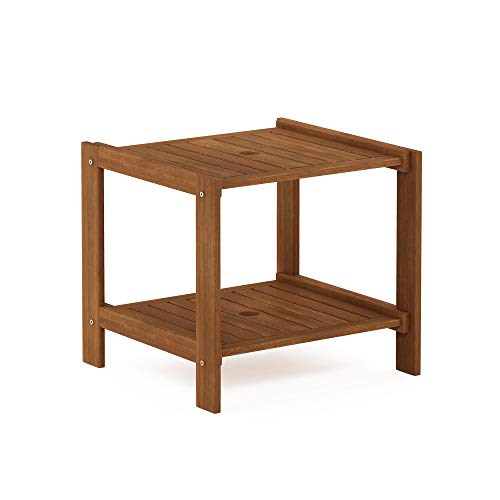
Small Outdoor Side Table with Umbrella Hole: The Complete Buyer's Guide
A small outdoor side table with an umbrella hole is one of the most practical additions you can make to a compact patio, balcony, or porch. It keeps your drinks and snacks within reach while anchoring a patio umbrella right where you need shade. Unlike full-size dining tables, a side table with an integrated umbrella hole delivers shade without eating up valuable floor space — a game-changer for urban balconies and snug decks.
If you are in the research phase, you likely already know you want a side table that accommodates an umbrella. What you probably still need is clarity on sizing, materials, stability, and how to match the table to your umbrella and space. This guide walks you through every decision point so you can buy with confidence.
Why Choose a Side Table with an Umbrella Hole?
A dedicated umbrella hole in a small side table solves several problems at once. First, it eliminates the need for a bulky freestanding umbrella base that would otherwise dominate a small patio. Second, it keeps the umbrella centered over your seating area, so shade lands exactly where you sit. Third, the table itself becomes a compact hub for drinks, a book, or a small lantern — all without taking up the footprint of a dining set.
These tables are especially useful in small patio layouts where every square foot matters, and on balcony furniture sets that need to stay lightweight and flexible. They also pair naturally with bistro-style seating, so if you are building around a small bistro table set, a matching side table with an umbrella hole extends your shade coverage without crowding the space.
Key Features to Evaluate Before You Buy
1. Table Diameter and Height
Small side tables with umbrella holes typically range from 18 to 24 inches in diameter. An 18-inch top is ideal for a single drink and a small plate, while a 24-inch top gives you room for two drinks plus a snack bowl. Height matters just as much: standard side tables sit at 18–22 inches, which pairs well with most lounge chairs and bistro seating. If you plan to use the table next to a dining chair, aim for a height that matches your chair's armrest.
2. Umbrella Hole Diameter and Placement
The hole should be centered for balanced weight distribution. Confirm the hole diameter matches your umbrella pole with a small tolerance gap — typically 0.1 to 0.25 inches larger than the pole. Some tables include a reducer ring that adapts a larger hole to a smaller pole, which adds flexibility if you ever change umbrellas.
3. Material and Weather Resistance
Material choice determines how well the table handles sun, rain, and seasonal temperature swings. Here is how the main options compare:
| Material | Best For | Weather Resistance | Maintenance |
|---|---|---|---|
| Powder-coated steel | Entry-level to mid-range tables needing solid weight | Good — rust-resistant coating essential | Wipe clean; touch up chips promptly |
| Aluminum | Balconies and portable setups | Excellent — naturally rust-proof | Minimal; wash with mild soap |
| Teak / Acacia | Premium and luxury tier patios | Very good — naturally weather-resistant | Annual oiling for teak; acacia needs occasional sealing |
| HDPE / Resin | Low-maintenance family patios | Excellent — UV and moisture resistant | Soap and water; no sealing required |
| Concrete composite | High-end tier designs needing weight | Excellent — heavy and stable | Seal periodically to prevent staining |
4. Stability and Weighted Base
A small table holding an umbrella becomes a lever arm in the wind. The table's base must be heavy enough — or wide enough — to resist tipping. Look for tables with a weighted base, a wide pedestal foot, or legs that splay outward for a broader stance. If the table is lightweight aluminum, pair it with a separate umbrella base plate or sandbag weight for windy locations.
5. Portability and Storage
If your patio is seasonal, consider a folding or nesting side table. These collapse flat for winter storage and are easy to move when you rearrange your layout. Aluminum and resin models tend to be the lightest, while concrete and steel models prioritize stability over portability.
How to Match the Table to Your Umbrella
Not every umbrella works with every side table. Use this checklist to avoid mismatches:
- Pole diameter: Measure the pole at its widest point. Standard is 1.5 inches; confirm the table hole is slightly larger.
- Umbrella canopy size: Side tables are typically rated for umbrellas up to 7.5 feet in canopy diameter. A 9-foot umbrella needs a freestanding base, not a side table anchor.
- Pole height: Ensure the pole is tall enough that the canopy clears your seating area. Most side-table umbrellas are 7 to 8 feet tall.
- Tilt mechanism: If your umbrella tilts, check that the tilt collar does not collide with the table surface when adjusted.
If you are still deciding on the umbrella itself, our guide to the small outdoor umbrella covers canopy sizes and tilt options that pair well with compact tables.
Design Ideas for Small Spaces
A side table with an umbrella hole is more than a functional accessory — it can anchor a small outdoor room. Here are a few layout ideas:
Balcony Shade Nook
Place the table between two small lounge chairs and angle the umbrella slightly toward the seating. Add a weatherproof outdoor rug underneath to define the zone. This works well on apartment balconies where you want shade without a permanent awning.
Bistro Corner
Pair the side table with a small outdoor bistro table and two chairs. The side table holds drinks and a lantern while the umbrella shades both surfaces. This setup is ideal for morning coffee or evening wine on a compact porch.
Poolside Refreshment Station
Use the table as a poolside rest for towels, drinks, and sunscreen. Choose a rust-proof aluminum or resin model, and add a small poolside table companion if you need extra surface area for guests.
Reading Retreat
Position the table next to a small outdoor bench or a single lounge chair. The umbrella provides shade for reading, while the table holds a book, a cold drink, and a small planter. This is one of the most space-efficient ways to create a dedicated relaxation corner.
What to Look for at Each Quality Tier
Product quality in this category falls into three broad tiers. Use these descriptors to set expectations — they are more durable than any single specification and stay relevant as models change.
| Tier | Typical Construction | Best For | Expected Lifespan |
|---|---|---|---|
| Entry-level | Thin steel or basic resin; welded joints; simple powder coat | Light seasonal use, renters, temporary setups | 2–4 seasons with care |
| Mid-range | Thicker aluminum or steel; reinforced welds; UV-stable resin; better hardware | Year-round covered patios, family use | 5–8 seasons |
| Premium / luxury | Solid teak, marine-grade aluminum, concrete composite; precision joinery; brass or stainless hardware | Full-exposure patios, design-forward spaces | 10+ seasons with maintenance |
Within each tier, the differences that matter most are the thickness of the metal, the quality of the coating, and the stability of the base. A well-specified mid-range table often outperforms an entry-level model in wind resistance and finish longevity, even though both may look similar at first glance.
Installation and Stability Tips
Getting the table and umbrella set up correctly is just as important as choosing the right model. Follow these steps:
- Check the ground surface. Place the table on a level, firm surface. On decks, use rubber pads under the legs to prevent scratching and reduce vibration.
- Insert the umbrella before loading the table. This lets you confirm the pole seats fully without items in the way.
- Use a reducer ring if needed. If the hole is larger than the pole, a rubber or plastic reducer prevents wobble.
- Add weight in windy areas. A sandbag or weighted base plate under the table dramatically improves stability without permanent installation.
- Close the umbrella in high wind. Even the most stable side table is not a substitute for a freestanding base in storm conditions.
Care and Maintenance
Maintenance needs vary by material, but a few habits extend the life of any table:
- Wipe spills promptly, especially on wood and concrete surfaces.
- Rinse metal tables monthly to remove dust and pollen that trap moisture.
- Apply a UV-protectant spray to resin tables at the start of each season.
- Oil teak annually and seal acacia every one to two years.
- Store folding tables indoors during freezing months if the material is not rated for frost.
For a deeper dive into seasonal care, see our weatherproofing guide and our tips on outdoor care.
Common Mistakes to Avoid
- Buying before measuring the pole. A 0.1-inch mismatch can make the table unusable with your umbrella.
- Underestimating wind. A light table with a large umbrella acts like a sail. Choose a heavier base or add weight.
- Ignoring chair height. A table that is too tall or too short is uncomfortable to use, even if it looks right.
- Skipping the reducer ring. A loose pole wobbles, which wears the hole and stresses the table over time.
- Choosing style over material. A beautiful finish that rusts in one season is a poor choice for exposed patios.
Frequently Asked Questions
What is the ideal diameter for a small outdoor side table with an umbrella hole?
Most models range from 18 to 24 inches in diameter. An 18-inch top suits a single drink and small item, while a 24-inch top accommodates two drinks and a snack bowl. Choose based on your seating arrangement and available floor space.
How do I keep my umbrella stable in a small side table?
Choose a table with a weighted base or add a separate umbrella base. Ensure the hole diameter matches your pole, and use a reducer ring if there is a gap. In windy locations, add a sandbag or weight plate under the table.
Can a small side table with umbrella hole support a large umbrella?
Small side tables are generally designed for umbrellas up to 7.5 feet in canopy diameter. Larger umbrellas require a freestanding, weighted base rather than relying on the table for support.
What materials are best for an outdoor side table with umbrella hole?
Powder-coated steel and aluminum offer excellent rust resistance and durability. Teak and acacia are premium wood options that weather well. High-density polyethylene (HDPE) is a low-maintenance, weatherproof alternative.
How do I measure for an umbrella hole in a side table?
Measure the diameter of your umbrella pole. Standard poles are 1.5 inches, but some are 1.375 or 2 inches. Ensure the table's hole is slightly larger than the pole to allow easy insertion without wobble.
Ready to Find Your Perfect Side Table?
Explore our curated selection of small outdoor side tables with umbrella holes — filtered for durability, stability, and space-saving design.
View Top Picks BelowFinal Thoughts
A small outdoor side table with an umbrella hole is a smart, space-efficient way to add shade and surface area to a compact patio or balcony. Focus on pole compatibility, base stability, and material weather resistance, and you will end up with a table that serves you for many seasons. Whether you pair it with a lounge chair, a bistro set, or a bench, the right side table turns a tight outdoor space into a comfortable, shaded retreat.
For more space-saving patio solutions, explore our guides to small patio furniture, small outdoor table and chairs, and small space patio furniture.