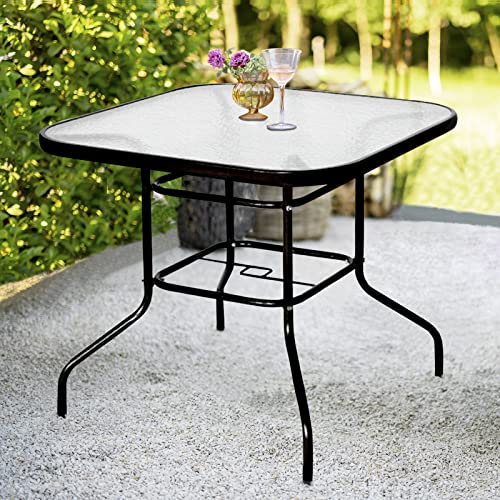
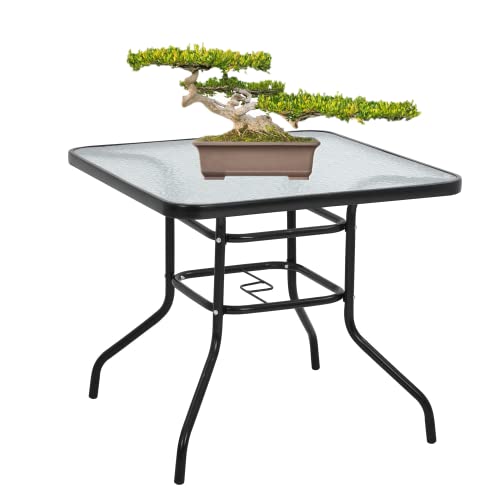
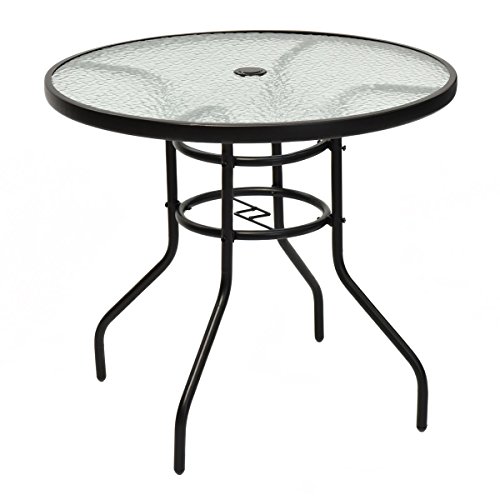
Small Glass Patio Table with Umbrella Hole
Everything you need to know before choosing a compact glass-top patio table with a built-in umbrella hole — materials, frame types, sizing, shade compatibility, and long-term care.
Explore the GuideWhy this guide matters: A small glass patio table with an umbrella hole is one of the most practical outdoor furniture pieces for balconies, compact decks, and cozy courtyard spaces. It delivers a clean, open look while keeping shade within reach. This guide walks you through the details that determine comfort, durability, and long-term satisfaction so you can choose with confidence.
Why a Glass-Top Patio Table Works in Small Spaces
Glass tabletops bring a sense of openness that solid surfaces cannot match. In a small patio or balcony, that visual lightness matters. A glass surface reflects surrounding greenery and sky, helping the area feel larger and less crowded. When paired with a slim metal frame, the table practically disappears into the scene, leaving the focus on plants, lighting, and the view.
The built-in umbrella hole adds a second layer of practicality. Instead of sacrificing floor space for a freestanding umbrella base, you get shade exactly where you need it — centered over the table. This makes the format especially useful for small balcony furniture sets and small-space patio furniture arrangements where every inch counts.
Beyond aesthetics, glass is easy to wipe clean after meals, resists staining better than porous stone or untreated wood, and does not harbor crumbs or spills the way woven surfaces can. For a compact dining or coffee setup, that ease of maintenance is a genuine daily benefit.
Key Features to Evaluate Before You Choose
Tempered Glass Surface
Tempered glass is heat-treated for strength and safety. It handles sun exposure, temperature swings, and everyday use far better than standard glass. Look for clearly labeled tempered construction on the specification sheet.
Umbrella Hole Diameter
Most umbrella holes measure around 1.5 to 2 inches. Confirm the hole size matches your umbrella pole before purchasing. A hole that is too large can let the table wobble around the pole; too small and the umbrella simply will not fit.
Frame Material & Finish
Powder-coated steel and aluminum are the most common frame materials. Aluminum resists rust well and stays light enough to move; steel offers a heavier, more grounded feel. A rust-proof finish extends service life in humid or coastal conditions.
Table Shape & Footprint
Round tables soften tight corners and make movement easier in narrow spaces. Square and rectangular models maximize usable surface area along walls or railings. Match the shape to the traffic flow around your seating.
Edge Treatment
Rounded or beveled glass edges reduce the risk of accidental nicks and look more refined. A well-finished edge also signals better manufacturing quality than a raw or uneven rim.
Stability & Weight
A stable base is critical for glass. Check for leg spread, cross-bracing, and adjustable feet. Heavier frames handle wind and uneven surfaces better, while lighter aluminum frames are easier to reposition for cleaning or seasonal storage.
Frame Materials Compared
The frame determines how the table feels, how long it lasts, and how much maintenance it needs. Here is a practical comparison of the three most common frame materials used in small glass patio tables.
| Frame Material | Market Tier | Best For | Key Consideration |
|---|---|---|---|
| Powder-Coated Steel | Mid-range | Grounded feel and stability on windy decks | Heavier to move; inspect weld points and coating coverage |
| Aluminum | Entry to mid-range | Balconies and patios where easy repositioning matters | Rust-resistant; lighter frames may need weighted feet in gusts |
| Cast Aluminum | Premium | Detailed design and long-term outdoor exposure | Solid build and rust resistance; typically heavier than tubular aluminum |
| Wrought Iron | High-end tier | Classic styling and heavy-duty presence | Requires periodic touch-ups to prevent rust; substantial weight |
Choosing the Right Size for Your Space
Size is where most buyers second-guess themselves. A table that looks compact in a showroom can feel crowded once chairs are pulled out, and a table that seems generous can overwhelm a narrow balcony. Use these guidelines as a starting point.
- Two-person setups: A round table around 30 inches in diameter works well for two chairs and leaves room to move around on a compact balcony. Pair it with a small bistro table set layout for a balanced look.
- Three to four people: Look for round tables in the 36 to 40-inch range or square tables around 32 to 36 inches. These formats support four place settings without forcing chairs into the railing or wall.
- Balcony railings: Leave at least 24 inches of clearance between the table edge and any railing or wall for chair pull-out. On narrow balconies, consider a small balcony set that includes compact seating sized to the table.
- Umbrella coverage: A 6 to 7.5-foot umbrella usually provides sufficient shade for a table seating two to four. Confirm the umbrella pole diameter matches the table hole and that the canopy does not press against walls or overhangs.
If you are still mapping out the layout, the broader small patio design guide offers additional spacing rules and traffic-flow tips that apply directly to glass-top table setups.
Umbrella Compatibility and Shade Planning
A table with an umbrella hole is only as useful as the umbrella it accepts. Before committing, check three things: hole diameter, pole clearance, and base stability. A small outdoor umbrella is often the right match for compact tables, as larger canopies can crowd the surrounding space and catch more wind.
Consider the sun path across your patio. An umbrella positioned through the center of the table provides overhead shade, but if the sun angles in from the side, a tilt mechanism or a slightly offset canopy can make the setup more comfortable during long afternoons. For tables that double as dining and workspace surfaces, a vented canopy improves airflow and reduces heat buildup underneath.
Wind is the other factor. Glass tops add weight, but the umbrella itself acts like a sail. Use a base rated for your canopy size, or choose a table with a center-mounted base collar that locks the pole securely. When severe weather is forecast, lower the umbrella rather than rely on the table’s weight alone.
Care and Maintenance for Glass-Top Patio Tables
Glass and metal require less upkeep than wood, but a few habits keep the table looking sharp and performing well season after season.
- Routine cleaning: Wipe the glass with a mild soap solution and a soft cloth. Avoid abrasive pads that can dull the surface or leave micro-scratches.
- Frame inspection: Check powder-coated frames for chips or scratches at the start and end of each outdoor season. Touch up exposed metal to prevent rust from spreading.
- Umbrella hole care: Keep the hole clear of debris and ensure the umbrella pole does not rub against the glass edge. A snug-fitting pole ring or grommet can reduce wear.
- Winter storage: In regions with heavy snow or freeze-thaw cycles, cover the table or move it to a sheltered location. Avoid stacking heavy items on the glass surface during storage.
- Wind management: During stormy periods, remove or lower the umbrella and, if possible, move the table closer to a wall or into a protected corner.
For a broader seasonal routine that covers cushions, covers, and frame protection, the weatherproofing guide is a useful companion to this page.
Glass vs Metal vs Other Tabletop Surfaces
Glass is not the only option for a small patio table with an umbrella hole. Metal tabletops, such as those on a small metal patio table with umbrella hole, offer a different balance of weight, heat resistance, and visual style. Here is how the two surfaces compare in practical terms.
| Surface Type | Visual Effect | Maintenance | Best For |
|---|---|---|---|
| Tempered Glass | Open, airy, reflective; makes small spaces feel larger | Wipe-clean; avoid abrasive cleaners; inspect edges | Balconies and compact patios where light and view matter |
| Powder-Coated Metal | Solid, grounded, and available in many colors | Wipe-clean; touch up chips to prevent rust | Windy locations and households with pets or children |
| Wood or Composite | Warm, natural texture | Periodic sealing or oiling depending on material | Rustic or farmhouse-style outdoor layouts |
Editorial note: Glass tends to suit buyers who prioritize a light visual footprint and easy cleaning. Metal suits buyers who want a more substantial surface that stands up to rough handling. Neither is universally better — the right choice depends on how you use the table and what surrounds it.
Related Small-Table Formats Worth Considering
If you are still deciding between glass and other formats, these related table styles may help narrow the field. Each link below points to a dedicated guide on this site.
For a slightly different seating arrangement, a small round patio table with 2 chairs is a natural match for glass-top models with an umbrella hole, especially on balconies where space is tight. If you prefer a dining-height setup with back support, explore small outdoor table and chairs for 2 configurations that pair well with compact glass surfaces.
Final Buying Checklist
Use this checklist as a last pass before you decide. It captures the details that matter most for a small glass patio table with an umbrella hole.
- Measure your space: Confirm the table footprint and chair clearance before ordering. Account for the umbrella canopy width as well.
- Verify glass type: Choose tempered glass and check for a smooth, beveled edge.
- Match the umbrella hole: Confirm the hole diameter matches your umbrella pole, and that the base is stable for your canopy size.
- Review the frame: Powder-coated aluminum or steel with a rust-proof finish is a solid baseline for outdoor use.
- Check stability features: Adjustable feet, cross-bracing, and a well-distributed leg spread reduce wobble on uneven surfaces.
- Plan for care: Confirm the table comes with care instructions and consider a fitted cover for off-season storage.
- Think about seating: Pair the table with chairs sized to the table height and your available floor space.
With those checks in place, a small glass patio table with an umbrella hole becomes a reliable, low-maintenance centerpiece for compact outdoor living.
Frequently Asked Questions
Is a glass patio table top safe for outdoor use?
Yes. Tempered glass used in outdoor patio tables is heat-treated for strength and safety. It handles sun exposure and temperature swings better than standard glass, and if it breaks, it fragments into small, blunt pieces rather than sharp shards. Always confirm the table uses tempered glass and follow the manufacturer’s care instructions.
What size umbrella fits a small glass patio table?
Most small glass patio tables with an umbrella hole accept a 1.5-inch to 2-inch pole. For a table seating two to four people, a 6 to 7.5-foot umbrella typically provides adequate shade. Always verify the hole diameter and recommended canopy size in the product specifications.
How do I protect a glass patio table from wind?
Choose a table with a stable frame and a weighted umbrella base. During high winds, lower or remove the umbrella, and move the table to a sheltered spot if possible. A fitted cover during storage also protects the surface from debris and accidental impact.
Can a small glass patio table be left outside in winter?
Tempered glass can handle cold temperatures, but heavy snow loads and freeze-thaw cycles can stress the frame. Many manufacturers recommend covering the table or storing it in a shed or garage during harsh winters. Check the care guide for your specific model.
How many people can a small glass patio table seat?
Small glass patio tables typically seat two to four people. Round tables around 30 to 40 inches across generally seat two to three comfortably, while square or rectangular models in the 32 to 40-inch range can accommodate up to four. Chair size and spacing also affect the practical seating count.
Do I need a separate umbrella base if the table has an umbrella hole?
Not always, but it depends on the table and umbrella design. Some tables include a built-in pole collar or base mount, while others rely on a separate weighted base for stability. For larger canopies or windy locations, a dedicated umbrella base is strongly recommended even when the table has a hole.