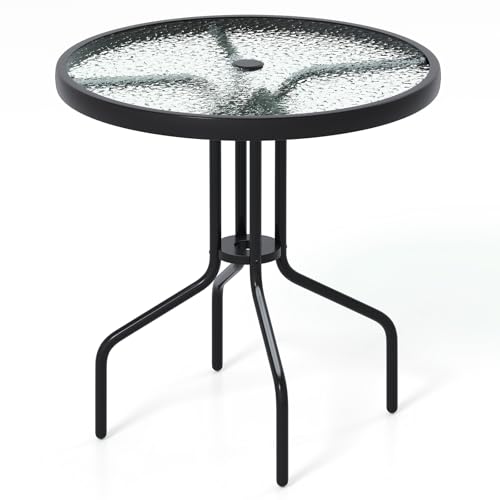
Small Round Outdoor Table with Umbrella Hole: The Complete Buying Guide
Everything you need to know before choosing a compact round patio table with an umbrella hole — sizing, materials, stability, and space-saving layouts for balconies, patios, and decks.
Explore Top PicksWhy this guide matters: A small round outdoor table with an umbrella hole is one of the most versatile pieces of outdoor furniture you can own. It gives you a dining surface, a shaded spot for coffee, and a natural centerpiece for a compact patio — all without dominating your space. This guide breaks down exactly what to look for so you can buy with confidence.
Why a Small Round Outdoor Table with an Umbrella Hole Works So Well
Round tables are inherently space-efficient. There are no sharp corners to navigate around, no wasted footprint where people rarely sit, and every seat is equally accessible. Adding an umbrella hole turns the table into a shade hub: the umbrella is anchored by the table itself, so you do not need a separate weighted base taking up floor space.
This combination is especially valuable on balconies and small patios where every square foot matters. A compact round table paired with a matching umbrella creates a complete outdoor dining and lounging zone in a footprint that a rectangular table of similar seating capacity could never match.
If you are still comparing shapes, our guide to the small outdoor dining table with umbrella hole covers rectangular and square alternatives, while the small glass patio table with umbrella hole guide focuses on the sleek glass-top look.
Key Sizes and Seating Capacity
The diameter of the tabletop is the single most important measurement. Most small round outdoor tables fall into three practical size bands:
- 24 to 26 inches: A true bistro size. Best for two people having coffee, drinks, or a light meal. Ideal for balconies and tight porch corners.
- 30 to 32 inches: The most versatile size. Comfortably seats two for full dining and can squeeze in three or four for casual gatherings.
- 36 inches: The upper end of "small." Seats four comfortably and still leaves room for an umbrella, but you need at least 30 inches of clearance on all sides for chairs to pull out.
A useful rule of thumb: allow about 24 inches of table edge per seated person. That means a 30-inch round table is a solid two-person dining table and a workable three-person table for drinks. If you regularly host four, step up to 36 inches or consider a small outdoor table and chairs for 4 set that is sized as a package.
Measurement tip: Before buying, measure the table's diameter plus 30 inches on every side. That is the minimum floor space you need for chairs to slide in and out comfortably. On a narrow balcony, a 24-inch table is often the difference between a usable setup and a cramped one.
Materials Compared: What Lasts Outdoors
The material determines how the table handles sun, rain, and seasonal storage. Here is how the main options compare using our consistent tier system:
| Material | Tier | Best For | Key Considerations |
|---|---|---|---|
| Powder-coated steel | mid-range | Year-round patios | Heavy-duty and stable; check for rust-proof finish at welds and joints |
| Aluminum | mid-range | Balconies and movable setups | Lightweight and rust-resistant; premium models use thicker gauge frames |
| Teak / dense hardwood | premium | Long-term outdoor living | Naturally weather-resistant; needs periodic oiling to keep its finish |
| High-density resin | entry-level | Occasional use and covered spaces | Light and low-maintenance; best kept out of prolonged direct sun |
| Cast aluminum | premium | Stylish permanent patios | Intricate designs and solid build; heavier to move and reposition |
| Marine-grade composite | top-tier | Coastal and exposed locations | Excellent UV and moisture resistance; minimal seasonal maintenance |
For most homeowners, powder-coated steel or aluminum hits the sweet spot. A mid-range metal table is durable enough for daily use and light enough to move when you rearrange the patio. Teak and cast aluminum sit in the premium tier for buyers who want a long-term investment with a distinctive look.
How to Judge Umbrella Hole Quality and Stability
The umbrella hole is not just a cutout — it is a load-bearing feature. When the umbrella is open, wind pressure transfers through the pole into the table. A poorly reinforced hole is a common failure point on entry-level tables. Look for these quality signals:
- Reinforced collar or grommet: A metal ring around the hole prevents the rim from cracking and gives the pole a snug fit.
- Hole diameter of about 1.5 to 2 inches: This fits the vast majority of standard patio umbrella poles. Confirm the umbrella you plan to use matches.
- Wide or weighted base: A pedestal base with a wider footprint resists tipping far better than thin tripod legs.
- Center column clearance: If the table has a pedestal, the umbrella pole should pass through without contacting the column.
If you already own an umbrella and simply need a table to match, see our dedicated guide to the small outdoor table with hole for umbrella. For a complete matched package, the small patio table with chairs and umbrella roundup shows sets where the table and umbrella are engineered together for better stability.
Space-Saving Layouts for Balconies, Patios, and Porches
Where you place the table matters as much as the table itself. Here are three proven layouts:
The Balcony Bistro
Pair a 24-inch table with a compact umbrella and two folding chairs pushed against the railing. This layout keeps the walkway clear and still gives you a shaded coffee spot. Explore small balcony furniture sets for coordinated options.
The Patio Dining Corner
Use a 30 to 32-inch table in a corner with an offset umbrella so the pole does not block sight lines. Two chairs on the long sides, one on the short side, and a planter to soften the corner.
The Porch Coffee Nook
A 24-inch table with two cushioned chairs and a half-umbrella creates a relaxed sitting area. See small table and chair set for porch recommendations for covered porches.
On a narrow deck, orient the table so the umbrella pole sits toward the inside edge rather than the walkway. That keeps the canopy over the seating area and prevents people from brushing against the pole as they pass. If you are still refining your patio plan, our small space patio furniture guide covers clearance rules in more detail.
Matching the Umbrella: Size, Mount, and Coverage
The umbrella should be slightly larger than the tabletop so the canopy overhangs the seated area. As a general rule, add 12 to 24 inches to the table diameter when choosing canopy size:
- 24-inch table → 6 to 7.5-foot umbrella canopy
- 30-inch table → 7.5 to 9-foot umbrella canopy
- 36-inch table → 9-foot umbrella canopy
Center-pole umbrellas are the simplest fit for a table with a pre-drilled hole. On a small balcony where a center pole would crowd the seating area, consider an offset or cantilever umbrella paired with a table that does not rely on the hole for support. If shade coverage is your top priority, the small outdoor umbrella guide explains compact canopy options in detail.
Wind warning: Never leave an open umbrella unattended in gusty conditions. Even with a weighted base, a sudden gust can tip the entire table-and-umbrella assembly. Close the canopy when you leave the patio or when storms are forecast.
Care and Maintenance for Long-Term Performance
A few seasonal habits will keep your table and umbrella hole in good condition for years:
- Rinse the tabletop monthly with mild soap and water. Avoid abrasive pads on powder-coated and glass surfaces.
- Clear the umbrella hole of leaves and debris so water drains freely. A blocked hole traps moisture and accelerates rust around the collar.
- Inspect the collar and welds at the start of each season for hairline cracks or loose hardware. Tighten any fasteners you find.
- Store cushions and close the umbrella during off-season or extended rain. This protects both the fabric and the table finish.
- Touch up scratches on metal frames with matching touch-up paint to prevent corrosion from spreading.
For a broader maintenance routine, our weatherproofing guide covers protective covers and seasonal storage in more depth.
Common Mistakes to Avoid
- Buying before measuring the walkway: A table that fits the balcony but blocks the door is not a good fit. Measure clearance first.
- Ignoring the umbrella pole diameter: A table hole that is too large lets the pole wobble; too small and the umbrella will not fit. Confirm both measurements.
- Choosing style over base stability: A decorative pedestal that wobbles will ruin the experience. Test the base for rock and flex.
- Skipping the reinforcement ring: An unprotected hole rim is the first place a metal tabletop will crack or rust.
- Forgetting the chair pull-out zone: Allow 30 inches of clearance on the sides where chairs will be used.
If you are weighing a round table against other compact shapes, our small outdoor patio table with umbrella hole overview compares the most popular configurations, and the small metal patio table with umbrella hole guide dives deeper into metal-frame durability.
Who Should Buy This Table
A small round outdoor table with an umbrella hole is the right choice if you:
- Have a balcony, small patio, porch, or compact deck
- Want a shaded spot for two to four people without a separate umbrella stand
- Prefer a table that is easy to move and rearrange
- Need a multi-purpose surface for dining, coffee, and work-from-outside days
It may not be the best fit if you routinely host six or more people, or if your space has no wind protection and you plan to leave the umbrella open all season. In those cases, a larger table plus a dedicated offset umbrella is often the better combination.
Ready to Compare Your Options?
Browse our curated selection of compact round tables with umbrella holes, filtered for durability, stability, and space efficiency.
View Recommended TablesFrequently Asked Questions
What size should a small round outdoor table with an umbrella hole be?
Most compact round tables range from about 24 to 36 inches in diameter. A 24-inch model suits two people on a balcony, while a 30 to 36-inch model comfortably seats two to four people on a patio.
Which materials work best for a small round patio table with an umbrella hole?
Powder-coated steel and aluminum offer the best balance of durability and weather resistance. Teak and other dense hardwoods are premium options that age gracefully, while high-density resin is a lightweight starter-tier choice.
How do I keep an umbrella table stable in windy conditions?
Choose a table with a weighted or wide pedestal base, use an umbrella stand with a weighted plate, and close the umbrella when it is not in use or during strong gusts.
Can a small round table with an umbrella hole fit on a balcony?
Yes. Balcony-friendly models typically measure 24 to 30 inches across and pair with a compact or half umbrella. Measure your balcony depth first and confirm the table leaves enough walkway space.
Do I need a separate umbrella base if the table has a hole?
The table provides some anchoring, but a weighted base or a table with a heavy pedestal is still recommended for stability. On windy or exposed sites, always use a weighted stand.