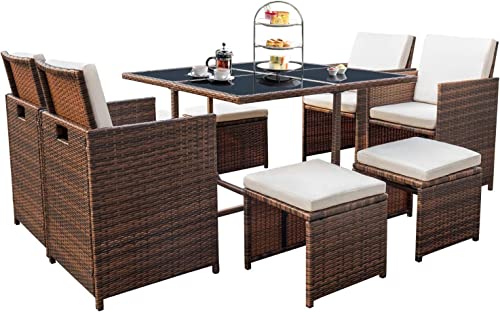
Patio Furniture Sectionals with Dining Table
The complete guide to choosing a sectional dining combo that maximizes seating, entertaining, and everyday outdoor living.
READ THE GUIDEA sectional with a built-in dining table is one of the most versatile outdoor furniture investments you can make. It pairs deep lounge seating with a raised table for meals, drinks, and games—without requiring two separate furniture zones. This guide walks you through configurations, materials, sizing, and care so you can buy with confidence.
Why Choose a Sectional with a Dining Table?
Combining a sectional and a dining table in one footprint solves a common outdoor living problem: limited space with competing needs. Families want a place to lounge after dinner and a place to serve dinner itself. A sectional dining combo delivers both in a single arrangement, which keeps patios, decks, and screened porches feeling open rather than crowded.
The practical benefits are significant. You get continuous seating for larger groups—often four to six people on the sectional alone—plus a table that serves as a dining surface, a buffet, or a central hub for board games and drinks. Because the pieces are designed as a matched set, the visual result is cohesive, with consistent frames, cushions, and finishes instead of a patchwork of unrelated furniture. For households that entertain frequently, this layout reduces the back-and-forth of moving chairs between zones.
There are trade-offs worth understanding. A fixed dining table integrated into a sectional offers less layout flexibility than separate pieces. If your patio is tight, measure carefully—sectional dining combos need clearance on all sides for chairs, foot traffic, and pull-out movement. If your space is generous, the combo becomes a natural anchor point, and you can supplement it with additional pieces such as outdoor dining chairs for overflow seating or an outdoor ottoman for flexible lounging. Homeowners planning a full refresh often explore outdoor dining furniture alongside sectional options to compare layouts side by side.
Common Configurations to Consider
Sectional dining combos come in several layouts, each suited to a different space and social style. Understanding the options before you shop will help you match the furniture to your patio rather than forcing your patio to accommodate the furniture.
L-shaped sectional with a corner dining table. The most popular configuration places a square or rectangular table at the corner of the L. This design uses the corner efficiently and keeps the table central to conversation. It works well on square patios and in screened-in rooms where walls define the seating run.
U-shaped sectional with a central table. A U-shape wraps seating around three sides of a table, creating a strong conversational core. This layout suits larger decks and covered porches, but it demands more floor space and careful planning for entry and exit points. It is excellent for families that host regularly.
Straight sectional with an attached bar-height table. Some designs place a raised table at one end of a straight run, giving you dining at bar height while preserving the low lounge profile elsewhere. This is a smart choice for narrow patios and balcony-adjacent decks where depth is limited. If you prefer a dedicated high-top setup instead, browse outdoor patio high-top table and chairs as a complementary option.
Modular sectional with a freestanding table. Modular pieces let you rearrange the seating over time, and the table can be repositioned as your needs change. This flexibility appeals to renters and to homeowners who like to refresh their layout seasonally. Modular systems also make replacement easier if one piece wears out.
Whatever configuration you choose, confirm whether the table is fixed to the frame or freestanding. Fixed tables offer stability and a cleaner look; freestanding tables offer flexibility but may need anchoring in windy locations.
Materials That Hold Up Outdoors
Outdoor furniture lives under sun, rain, and temperature swings, so material choice matters more than almost any other factor. Sectional dining combos are large investments, and the frame and fabric determine how many seasons you get from them.
Aluminum frames are lightweight, rust-resistant, and easy to move. Powder-coated aluminum offers strong weather resistance and is a common choice for mid-range and premium sets. Steel frames are heavier and very sturdy, but they require a rust-proof finish and periodic inspection at joints and welds. Wicker and rattan—whether natural or synthetic resin—deliver a warm, textured look; synthetic versions resist moisture far better and are the practical choice for exposed patios. For a deeper dive into woven options, see our guide to rattan couches.
Wood frames such as teak, acacia, and eucalyptus bring natural beauty and, with proper sealing, withstand the elements well. Wood requires more maintenance than metal or resin, so factor in annual sealing if you choose it. For a broader comparison of frame types and finishes, our outdoor patio furniture overview covers the trade-offs in detail.
Cushions and fabrics deserve equal attention. Look for solution-dyed acrylic or high-performance polyester fabrics rated for fade and mildew resistance. Quick-dry foam cores prevent waterlogging after rain. Removable, machine-washable covers extend cushion life dramatically. If you plan to refresh an existing set, our guide to outdoor dining replacement cushions explains how to match firmness and fit. Understanding outdoor furniture fabric ratings will also help you evaluate claims about UV resistance and water repellency.
Table surfaces vary widely. Powder-coated metal is durable and low-maintenance; glass tops look elegant but show smudges and require careful handling; composite and poly lumber surfaces resist moisture and insects and are a strong choice for humid climates. If you are weighing a poly option, our poly furniture guide explains the material's strengths.
Sizing and Layout: Measure Before You Buy
A sectional dining combo is a large footprint, and the most common buying mistake is underestimating clearance. Start by measuring your patio or deck and sketching the layout on paper. Account for the furniture footprint plus walking space around it—typically at least 24 to 36 inches of clearance on primary traffic sides so people can pass comfortably and chairs can be pulled out.
Next, think about how many people you realistically seat. A three-piece sectional with a corner table often seats four to five; larger U-shaped sets can seat six to eight. Be honest about your typical gathering size—oversized sets on undersized patios feel cramped and discourage use. If your space is genuinely tight, explore patio conversation sets for small spaces to compare more compact alternatives.
Consider the table height relative to the seating. A dining-height table (standard table height) pairs with upright dining chairs or with sectional seats that sit higher; a coffee-height table pairs with deep lounge seats. Mismatched heights make eating uncomfortable, so verify the table and seat heights together. If you need extra seating around a dining surface, outdoor dining table with bench and chairs configurations show how benches can maximize capacity in tight layouts.
Finally, plan for storage and seasonal protection. Cushions last longer when stored off-season, and covers protect frames from debris. Our guide to outdoor patio furniture with storage for cushions covers built-in options, while outside storage boxes are a practical add-on for cushion and cover storage.
Comfort Features and Practical Details
Beyond looks and layout, small design details determine whether a sectional dining combo becomes the favorite spot on your patio. Look for deep seats with supportive cushions, breathable quick-dry foam, and covers that stay put in wind. A slight recline on sectional backs adds comfort for long evenings, while firmer cushions suit dining posture better.
Check the table's surface area and edge treatment. Rounded or bullnose edges are safer around children and reduce the risk of bumps. A central umbrella hole is a major convenience on sunny patios—if shade matters to you, our guide to outdoor dining set with umbrella hole explains what to look for. You can also pair the set with a freestanding shade solution from our outdoor shade category.
For families with pets and kids, consider performance fabrics that wipe clean, removable cushion covers, and frames with no sharp hardware exposed. On windy sites, look for sets with adjustable feet or anchoring options so the sectional stays put. If you love the look of coordinated outdoor living, pairing your sectional with a outdoor side table adds a handy surface for drinks and books without disrupting the layout.
Waterproof cushioning is worth prioritizing. Our guide to outdoor sectional with waterproof cushions explains how to evaluate water resistance claims and what to expect in different tiers.
Maintenance and Seasonal Care
A sectional dining combo will serve you for years with a modest care routine. Brush off debris weekly, wipe spills promptly, and rinse frames occasionally with mild soap and water. Avoid harsh chemical cleaners on powder-coated metal and on performance fabrics unless the manufacturer approves them.
Inspect hardware and welds each season. Tighten bolts, touch up any chips in powder coating, and replace worn glides. For metal components, our guide to rust removal explains how to treat early corrosion before it spreads. Wood frames benefit from annual sealing or oiling according to the manufacturer's recommendation.
Cushions should be brought in or covered during heavy rain and stored during the off-season. Quick-dry foam helps, but prolonged dampness still shortens cushion life. If your set includes a table with a fire element or other integrated feature, follow the manufacturer's clearance and safety guidance carefully. And if you are furnishing a smaller covered space, our outdoor furniture for small screened-in porch guide offers additional layout strategies.
A Simple Buying Checklist
Before you commit to a set, run through this checklist. It covers the factors that most often lead to buyer regret—and the features that most often lead to long-term satisfaction.
- Measure twice. Confirm the footprint and clearance on all sides, including entry paths to your home.
- Verify seat and table heights. Match dining posture to the table height for comfortable meals.
- Check frame material and finish. Prefer powder-coated aluminum or well-finished steel for exposed patios; synthetic wicker and poly lumber are strong low-maintenance options.
- Confirm fabric ratings. Look for fade- and mildew-resistant performance fabric and quick-dry foam.
- Decide on fixed vs. freestanding table. Fixed is cleaner; freestanding is more flexible.
- Plan storage. Cushion covers and off-season storage protect your investment.
- Review the warranty. Frame and fabric coverage terms vary widely between brands and tiers.
If your long-term plan includes a full dining area rather than a combo, our outdoor dining table with chairs and bench guide offers an alternative layout to compare. Either way, the goal is the same: furniture that fits your space, your habits, and your climate.
Frequently Asked Questions
Is a sectional with a dining table practical for everyday use?
Yes. For households that eat outside regularly, a sectional dining combo keeps meals and lounging in one place. The key is matching the table height to how you will use it most—dining-height tables suit regular meals, while coffee-height tables suit drinks and snacks.
What frame material is best for a rainy climate?
Powder-coated aluminum and synthetic wicker are the most forgiving in wet climates. Steel can work well if the finish is intact and joints are inspected regularly. Wood needs more maintenance but performs well when sealed annually.
How much clearance do I need around the set?
Plan for at least 24 to 36 inches on primary walking sides so people can pass and chairs can be pulled out. Smaller patios can work with the lower end of that range if the set is placed against a wall or railing.
Can I replace the cushions later?
Most mid-range and premium sets support cushion replacement, though fit varies by brand. Check whether covers are removable and whether replacement inserts are available before you buy. Our guide to outdoor furniture replacement cushions covers what to look for.
Should I choose a fixed or freestanding table?
Choose fixed for stability and a seamless look, especially on windy patios. Choose freestanding if you like to rearrange furniture or expect your needs to change over time.
Ready to Find Your Sectional Dining Combo?
Explore our recommended patio furniture sectionals with dining tables below and compare features, materials, and configurations.
VIEW RECOMMENDATIONS