Outdoor Storage: The Complete Buying Guide
Protect your patio cushions, grill accessories, pool toys, and seasonal decor from rain, sun, and pests. Learn how to choose the right cabinet, box, or bench for every outdoor need.
Explore Storage TypesWhy outdoor storage matters: Outdoor furniture and accessories degrade quickly when exposed to moisture, UV rays, and temperature swings. The right storage solution extends the lifespan of your cushions, keeps toys and tools organized, and turns a cluttered patio into a clean, guest-ready space. This guide walks you through the main categories, materials, and features so you can pick a solution that fits your deck, budget tier, and climate.
Main Types of Outdoor Storage
Outdoor storage comes in several formats, each suited to different spaces and contents. Understanding the trade-offs between capacity, weather protection, and footprint helps narrow your options before you start comparing specific products.
Deck Storage Boxes
Low-profile boxes that double as seating or side surfaces. Great for cushions, pool toys, and grilling tools. Mid-tier and premium models typically add gasketed lids, gas struts, and UV-stabilized resin.
Entry to PremiumStorage Benches
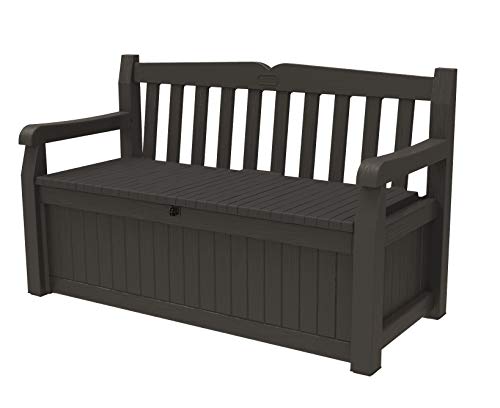
A bench with a lift-up compartment underneath. Ideal when you want seating plus storage in one footprint. Wood, resin, and metal frames are available; look for reinforced hinges and drainage.
Essential to Mid-tierOutdoor Storage Cabinets
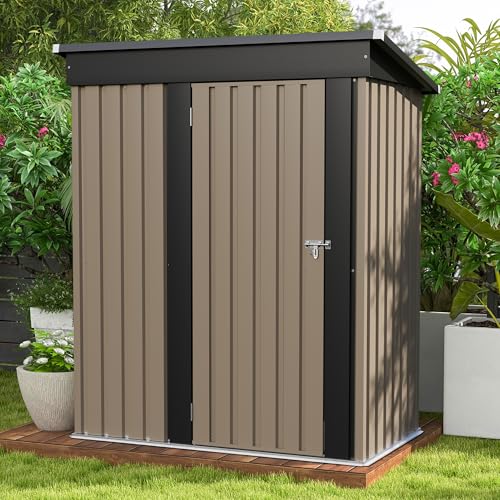
Vertical cabinets with shelves and doors. The best choice for tools, chemicals, grill accessories, and small equipment. Waterproof cabinet builds use sealed doors and rust-proof hardware.
Mid-range to High-endStorage Chests & Containers
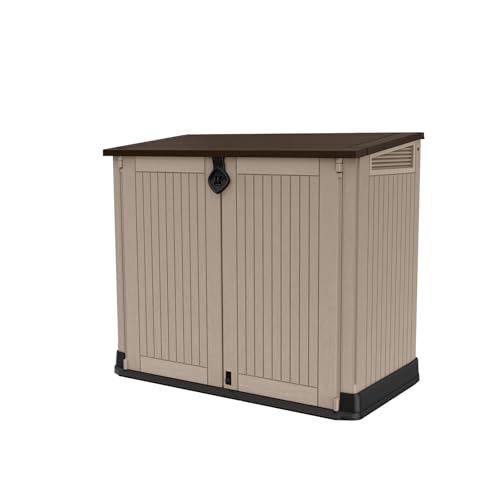
Large-capacity chests and heavy-duty containers for bulkier items like folded umbrellas, winter covers, and seasonal decor. Commercial-grade versions handle year-round exposure.
Starter to Commercial-gradeCushion Storage Solutions
Dedicated cushion storage protects fabric from mildew and fading. Look for breathable, waterproof liners and elevated floors that keep cushions off damp surfaces.
Mid-tierOttomans & Multi-use Units
Storage ottomans blend into lounge setups and hold small items like throws, magazines, and remotes. Best for covered patios and low-exposure areas.
Entry-levelOutdoor Storage Comparison
Use this comparison to match a storage type to your contents and exposure level. Tier labels reflect market positioning rather than any specific figure.
| Storage Type | Best For | Weather Resistance | Typical Tier |
|---|---|---|---|
| Deck Storage Box | Cushions, toys, grill tools | Good to excellent (with gasket) | Entry to premium |
| Storage Bench | Seating + cushion storage | Moderate to good | Essential to mid-tier |
| Storage Cabinet | Tools, chemicals, accessories | Excellent (waterproof builds) | Mid-range to high-end |
| Storage Chest | Bulk seasonal items | Good to commercial-grade | Starter to commercial-grade |
| Cushion Storage Unit | Fabric protection | Excellent (breathable waterproof) | Mid-tier |
| Storage Ottoman | Small indoor-outdoor items | Moderate (covered areas) | Entry-level |
Materials: What Holds Up Outdoors
The material determines how long your storage lasts and how much maintenance it needs. Match the material to your climate and exposure.
Resin and Polypropylene
Resin storage boxes and cabinets are the most popular choice for wet climates. They resist rot, rust, and UV fading, and they wipe clean easily. Mid-range resin units often include double-wall construction for rigidity; premium versions add sealed gaskets and reinforced lids. Resin is heavy compared to some alternatives, so check whether the unit ships with wheels if you plan to move it.
Wood and Teak
Wood storage benches and cabinets look great on rustic and coastal patios, but they need sealing and occasional refinishing. Teak and acacia are the most weather-resistant hardwoods. Wood is best for covered porches or mild climates. If you compare wood against resin, wood offers a warmer look while resin generally requires less upkeep.
Metal and Stainless Steel
Metal cabinets suit grill stations and tool storage. Powder-coated steel resists rust for years; stainless steel is the top-tier choice for coastal areas where salt air accelerates corrosion. Look for sealed seams and rust-proof hinges on any metal unit. A stainless steel storage cabinet with shelves and doors is a strong fit for outdoor kitchens.
Fabric and Soft-Sided Containers
Soft storage bins and fabric containers work well for lightweight items under a covered patio. They are entry-level in weather resistance and should be moved indoors during heavy rain. They are useful as secondary storage for toys and small accessories.
Key Features to Check Before You Choose
- Waterproofing: Look for gasketed lids, sealed doors, and raised floors. A waterproof storage box keeps cushions dry even through storms.
- Ventilation: Cushions need airflow to prevent mildew. Choose units with breathable liners or small vents if you store fabric long-term.
- Lid support: Gas struts or reinforced hinges prevent lids from slamming and make one-handed access easier.
- Locking options: A lockable cabinet protects tools and chemicals from children and theft. Check whether a padlock is included or sold separately.
- Mobility: Casters or wheels help on large decks. Confirm the wheels are rated for the unit's loaded weight.
- Capacity and footprint: Measure your space first. Vertical cabinets save floor space; horizontal boxes provide more usable top surface.
- UV resistance: Resin and powder-coated metal resist fading better than untreated wood or fabric.
- Drainage: Outdoor storage containers should never trap water. Look for sloped lids and drainage channels.
Match Storage to What You Own
For Patio Cushions
Cushions are the most common storage challenge. A dedicated outdoor storage box for cushions waterproof build is the safest choice because it keeps fabric dry and off the ground. Alternatively, an outdoor storage bench lets you store cushions under your seating. Avoid sealed plastic bags, which trap moisture and cause mildew. For larger collections, look at outdoor storage for patio furniture cushions with breathable liners and elevated floors.
For Grill Accessories and Tools
Grill tools, propane accessories, and cleaning supplies do best in a vertical cabinet with shelves. An outdoor storage cabinet for grill accessories keeps small items organized and away from rain. Pair it with a stainless steel prep table with storage if you want a full outdoor kitchen setup.
For Toys and Family Gear
Outdoor toy storage should be easy for kids to open and close. Low deck boxes with lightweight lids work well. If you have a pool, choose a unit with drainage holes so wet toys do not sit in standing water.
For Small Spaces and Balconies
A narrow outdoor storage cabinet with shelves and doors fits balconies and tight corners. Multi-use units like storage ottomans also work well on small patios. If floor space is tight, consider a bench that doubles as seating and storage.
Placement and Layout Tips
Where you place storage affects both convenience and longevity. Keep these principles in mind:
- Place storage near where items are used: cushions by seating, grill tools by the cooking zone, toys near the lawn.
- Keep units off direct ground contact using a small platform or built-in feet to prevent moisture wicking.
- Avoid placing storage under roof drip lines or gutter downspouts.
- In windy areas, anchor tall cabinets to a wall or use weighted bases.
- Leave clearance behind cabinets for airflow and to prevent mold on exterior walls.
- Consider a storage bench at the edge of a dining area to combine seating and cushion storage.
Maintenance for Long-Term Use
Even durable outdoor storage needs periodic care. A quick seasonal routine keeps units functional for years.
- Rinse resin and metal units with mild soap and water at the start of each season.
- Reapply sealant to wood storage every one to two years, depending on exposure.
- Check gaskets and seals for cracks before rainy season; replace worn gaskets promptly.
- Empty and air-dry cushions and fabric items before storing them for winter.
- Inspect hinges and struts for rust or stiffness and lubricate as needed.
- Clear debris from drainage channels and vents.
Frequently Asked Questions
What is the best outdoor storage for cushions?
A waterproof deck box or a dedicated cushion storage unit with breathable liners and an elevated floor. Ensure cushions are fully dry before storage to prevent mildew.
Do I need a waterproof cabinet or a water-resistant one?
If the unit sits fully exposed to rain, choose waterproof. Water-resistant units work for covered porches and mild climates. Check for gasketed doors and sealed seams on any unit labeled waterproof.
Can outdoor storage double as furniture?
Yes. Storage benches, ottomans, and some deck boxes are designed as seating or side surfaces. Confirm the load rating before using a unit as a bench.
How do I prevent mold inside outdoor storage?
Ventilation is key. Use breathable liners, avoid sealing damp items, and choose units with small vents or breathable panels. Clean and air-dry the interior at the start of each season.
Is resin or metal better for coastal areas?
Both can work. Resin resists salt air well and never rusts. Stainless steel is the top-tier metal choice for coastal environments. Powder-coated steel is a solid mid-range option if the coating stays intact.
What size storage do I need for a standard patio set?
Measure your folded cushions and stack them before shopping. A medium deck box typically holds cushions for a four-seat set. For full winter storage of multiple items, a large chest or cabinet offers more capacity.
Ready to Organize Your Outdoor Space?
Browse our curated selection of outdoor storage cabinets, boxes, benches, and cushion storage solutions below. Every option is evaluated for weather resistance, build quality, and practical capacity.
View Recommended Storage