Outdoor Storage Container Buying Guide
Protect cushions, grilling gear, garden tools, and pool accessories from rain, sun, and pests. This guide explains container types, materials, sizes, sealing features, and placement so you can choose the right weatherproof storage for your deck or patio.
Why storage matters: Outdoor textiles and metal accessories degrade quickly when left exposed to moisture and UV light. A well-chosen storage container extends the lifespan of your patio cushions, keeps tools dry, and reduces clutter. The right container depends less on how it looks and more on how well it seals, how much it holds, and where it will sit.
Main Types of Outdoor Storage Containers
Outdoor storage comes in several formats, and each solves a different problem. Before comparing features, identify which format matches your space and the items you need to protect.
-
Deck Boxes and Storage Benches
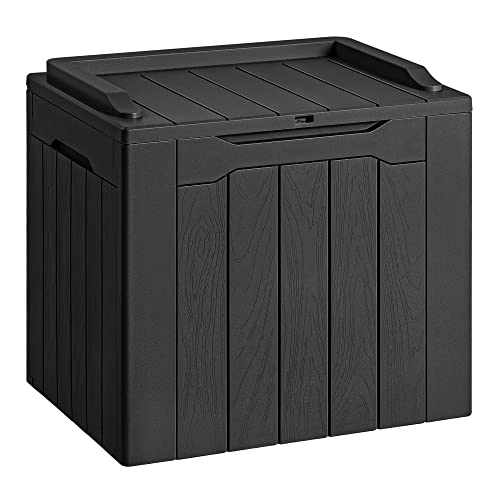
Horizontal chests with hinged lids, often rated for seated weight. Deck boxes are the most common choice for patio cushions, throw pillows, and small accessories. Benches add dual-purpose seating, which is useful on compact decks. Look for models with a sloped lid so rainwater runs off and a raised base so the bottom stays dry.
-
Vertical Storage Cabinets
Tall, shelf-equipped units that hold cleaning supplies, grill tools, lanterns, and folded textiles. A waterproof outdoor storage cabinet with doors and adjustable shelves works well beside a grill station or against a wall. Tall cabinets use vertical space efficiently when floor area is limited.
-
Storage Chests and Trunks
Rigid, often metal or heavy resin containers with locking latches. These suit long-handled tools, pool equipment, and seasonal decor. Heavy-duty chests with gaskets are the most reliable option when full waterproofing is a priority.
-
Storage Bins and Totes
Lightweight containers, usually plastic, that work best indoors or in covered areas. They are practical for small items and quick access but rarely seal tightly enough for exposed decks. Use them as inner organizers inside a larger chest or cabinet.
-
Storage Ottomans
Furniture-grade containers that double as footrests or side seating. They hold small cushions, throws, and toys but offer less weather protection than dedicated deck boxes. Best placed under a covered porch or pergola.
Material and Quality Tiers
Rather than comparing containers by their shelf position, compare them by construction tier. The tier tells you what to expect from durability, sealing, and long-term performance.
Basic Resin and Plastic
Lightweight and easy to move. Suitable for covered porches and light-duty storage. Seams are usually simple overlaps, so expect water resistance rather than full waterproofing. A sensible starter tier for small patios.
Reinforced Resin and Powder-Coated Steel
Thicker walls, better latches, and tighter lid fit. Many mid-tier deck boxes include UV-stabilized resin or rust-resistant steel frames. A balanced tier that handles regular outdoor exposure well.
Heavy-Duty and Marine-Grade
Sealed gaskets, locking hardware, and reinforced corners. Premium containers are built for full sun, heavy rain, and year-round use. The top-tier choice for cushion storage and high-value gear.
When comparing tiers, focus on the parts that fail first: hinges, latches, and lid seals. A mid-range container with quality hardware usually outperforms a larger unit with weak fittings. For a broader look at how storage fits into a complete patio setup, see our outdoor storage overview.
How to Choose the Right Size
Sizing is where most buyers go wrong. A container that is too small forces you to leave cushions outside; one that is too large crowds the deck. Measure before you shop.
- Measure your cushions flat. Stack seat and back cushions as you would store them, then add clearance on every side. A standard four-seat dining set typically needs a mid-range capacity chest.
- Check lid clearance. A hinged lid needs room to open fully. If the container sits against a wall or railing, confirm the lid does not collide when raised.
- Account for access paths. Leave enough walkway space to open the container without blocking doors or steps.
- Plan for growth. If you expect to add furniture or pool gear, choose the next capacity class up. Storage needs rarely shrink.
For cushion-specific sizing, our guide to waterproof cushion storage boxes walks through capacity planning in detail. If your priority is keeping textiles dry, pair that guide with our notes on patio furniture cushion storage.
Container Comparison at a Glance
Use this table to match container type to the items you need to store and the exposure level of your space.
| Container Type | Best For | Weather Protection | Tier |
|---|---|---|---|
| Resin Deck Box | Cushions, pillows, small accessories | Water-resistant | Entry to mid-range |
| Storage Bench | Cushions plus extra seating | Water-resistant | Mid-range |
| Vertical Cabinet | Tools, cleaning supplies, grill gear | Water-resistant to waterproof | Mid to premium |
| Heavy-Duty Chest | Pool equipment, long tools, seasonal decor | Waterproof with gasket | Premium |
| Storage Ottoman | Throws, toys, small cushions | Limited, covered areas only | Entry-level |
Sealing, Ventilation, and Weather Protection
A container labeled weatherproof is not automatically waterproof. Understand the difference before you buy.
Water Resistance vs. Waterproofing
Water-resistant containers shed rain but can admit moisture through seams and lid gaps during storms. Waterproof containers use gaskets, sealed seams, and locking latches to keep water out entirely. For exposed decks and rainy climates, prioritize waterproofing. For covered porches, water resistance is often sufficient.
Ventilation Matters Too
A fully sealed container can trap damp air, which leads to mildew on cushions. Some premium containers include vented panels or breathable liners. If your container has no ventilation, store textiles in breathable bags and air them out periodically. Our guide to cushion storage covers moisture management in more depth.
UV and Temperature
Direct sun degrades plastic and fades fabric. Choose UV-stabilized materials for containers in full sun, and place the container where it receives some shade if possible. Dark-colored containers absorb heat, so avoid storing temperature-sensitive items in unshaded dark chests.
Where to Place Your Container
Placement affects both convenience and durability. A few practical rules apply to every setup.
- Elevate the base. Set the container on a raised surface or choose a model with a built-in elevated base to keep the bottom dry and discourage pests.
- Avoid direct downspout runoff. Position the container away from roof drip lines and gutter outlets.
- Keep access clear. Leave room to open the lid and reach inside without stepping over furniture.
- Anchor lightweight containers. In windy areas, secure entry-level plastic bins or add weight inside so they do not blow over.
- Group storage near its use. Place cushion storage near the seating area and tool cabinets near the grill or garden bed.
If you are also setting up seating, our guides to outdoor storage benches and storage ottomans show how dual-purpose pieces fit into a layout. For a wider view of patio organization, see the full outdoor storage collection.
Keeping Your Container in Good Condition
A few simple habits keep outdoor storage working for years.
-
Clean and Dry Before Storing
Wipe down the container interior and make sure cushions are fully dry before sealing them inside. Storing damp textiles is the fastest route to mildew.
-
Inspect Seals Seasonally
Check gaskets and latches at the start of each season. Replace worn seals to maintain waterproofing.
-
Clear Debris from Lids
Leaves and standing water on the lid can work their way into seams. Brush off debris after storms.
-
Store Off-Season Items Smartly
Use the container for seasonal rotation: pool gear in summer, holiday decor in winter. Label inner bins so items stay easy to find.
For containers that hold grill accessories, our guide to a grill accessory storage cabinet covers rust prevention and tool organization.
Frequently Asked Questions
What size outdoor storage container do I need for patio cushions?
Measure your largest cushion flat and add a few inches of clearance on each side. A container that holds four to six standard seat cushions and two back cushions usually falls in the mid-range capacity class. If you store chaise loungers or oversized sectional seats, look for a high-capacity chest or a tall cabinet with adjustable shelving.
Are resin deck boxes truly waterproof?
Most resin deck boxes are water-resistant rather than fully waterproof. They shed rain well but can let moisture in through seams and lids during heavy storms. Look for models with sealed gaskets, a raised base, and a sloped lid. For full waterproofing, a heavy-duty storage container with a locking latch and rubber seal is a more reliable choice.
Can an outdoor storage container double as seating?
Yes. Many deck boxes and storage benches are rated to support seated weight, making them useful as extra patio seating. Check the manufacturer's stated load rating and confirm the lid has a reinforced frame. Storage benches with hinged lids are especially practical for small decks where every square foot matters.
How do I keep pests out of an outdoor storage container?
Choose a container with tight-fitting lids, sealed seams, and no large gaps. Store cushions and textiles in breathable bags inside the container, and avoid leaving food, pet supplies, or birdseed nearby. A raised base keeps the container off damp ground, which discourages insects and rodents from nesting underneath.
Ready to Compare Storage Containers?
Review recommended containers below, then match capacity, sealing, and placement to your patio layout. For related organizing ideas, explore our outdoor storage containers guide and the full outdoor storage section.
Explore Storage Options