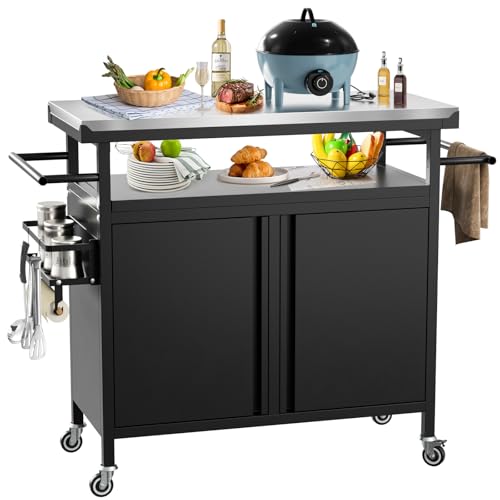
Outdoor Storage Cabinet for Grill Accessories: The Complete Guide
Keep your BBQ tools, fuels, and accessories protected from the elements with a purpose-built outdoor storage cabinet. Here is everything you need to know before you choose one for your patio or backyard cooking zone.
Why this matters: Grilling accessories—tongs, brushes, thermometers, propane tanks, wood chips, and cleaning tools—tend to accumulate quickly. Leaving them exposed to rain, sun, and humidity shortens their lifespan and clutters your cooking area. A dedicated outdoor storage cabinet for grill accessories solves both problems at once: it protects your gear and turns a messy corner into an organized, functional station.
Why You Need a Dedicated Grill Accessory Cabinet
Most homeowners start with a simple grill cover and a plastic bin, then quickly realize that approach falls short. A well-designed cabinet does more than hide clutter. It creates a weather-shielded environment for tools that are sensitive to moisture, temperature swings, and UV exposure. If you are already planning a broader outdoor storage strategy, you may also find value in comparing this with a general outdoor storage cabinet or an outdoor storage cabinet waterproof model for mixed patio gear.
The benefits break down into four practical categories:
- Protection: Stainless steel tools, electronic thermometers, and wooden handles all degrade faster when repeatedly exposed to rain and humidity.
- Organization: Shelves and hooks keep small items visible, so you stop digging through a crowded bin mid-cook.
- Safety: Proper ventilation and secure latching reduce the risks associated with storing fuels and hot-weather accessories.
- Longevity: Replacing rusted tools and corroded fuel connectors is far more disruptive than choosing the right cabinet once.
What to Look for in a Grill Accessory Storage Cabinet
The market offers a wide range of cabinet types, from compact countertop units to tall freestanding models. The right choice depends on how much gear you store, how much space you have, and the climate you live in. Here are the key criteria to evaluate.
1. Material and Weather Resistance
This is the single most important factor. Grill accessories sit in a high-humidity, high-heat environment, and the cabinet must handle both. Look for materials that are explicitly rated for outdoor use:
- Stainless steel: Highly durable and rust-resistant when properly finished; the best choice for long-term exposure.
- Powder-coated steel: Good weather resistance and a solid build, provided the coating is intact and scratch-resistant.
- High-density resin or polypropylene: Will not rust, easy to clean, and lightweight—ideal for humid climates.
- Teak or cedar: Naturally weather-resistant woods that age gracefully but require occasional maintenance.
If your priority is maximum moisture protection, a waterproof outdoor storage cabinet is the safest baseline. It is also worth reviewing outdoor storage cabinet with shelves waterproof options if you want a combination of shelving and moisture protection.
2. Size and Storage Capacity
Measure your accessories before you shop. A cabinet that is too small becomes a bottleneck; one that is too large can crowd your cooking area. Consider:
- Height clearance for long-handled tongs, spatulas, and brushes.
- Shelf spacing for propane canisters, wood chip bags, and cleaning kits.
- Door style—swing doors versus sliding doors—relative to your patio layout.
- Whether you need a countertop surface for prep work, which some models provide.
For a compact setup, a tall storage cabinet with shelves offers vertical storage without eating floor space. If you want a more versatile arrangement, cabinets with shelves and doors strike a good balance between visibility and protection.
3. Ventilation and Safety
Grill accessories often include propane or fuel-related items. Proper airflow prevents moisture buildup and reduces the risk of trapped fumes. Look for cabinets with adjustable vents or louvered panels. Never store a connected propane tank inside an enclosed cabinet—if you store spare tanks, choose a cabinet with dedicated ventilation and follow local safety guidelines.
4. Locking and Pest Control
An outdoor cabinet is also a barrier against raccoons, rodents, and insects. A magnetic or keyed latch adds a layer of security, especially if your patio is accessible to pets or wildlife. Sealed door edges and tight-fitting panels help keep pests out.
5. Assembly and Maintenance
Most cabinets ship flat-packed. Check whether assembly requires specialized tools and whether the manufacturer offers replacement parts. Maintenance needs vary by material: stainless steel benefits from periodic wiping with a damp cloth, while wood requires seasonal sealing.
Choosing by Quality Tier
To compare cabinets without getting lost in specifications, think in terms of market positioning. The table below summarizes what each tier typically delivers.
| Tier | Best For | Typical Characteristics |
|---|---|---|
| Entry-level | Light use, covered patios | Basic powder-coated metal or resin, single shelf, simple latch |
| Mid-range | Regular grilling, mixed climates | Reinforced frame, two or more shelves, improved weather sealing |
| Premium | Frequent use, exposed patios | Stainless steel or marine-grade resin, adjustable shelving, premium hinges |
| Luxury / professional-grade | Built-in outdoor kitchens | Commercial-grade materials, modular design, integrated ventilation, high-end hardware |
As you move up tiers, the main gains are weather durability, build rigidity, and thoughtful internal organization. A mid-range cabinet is usually the sweet spot for most residential patios—well-specified for the category without overbuilding.
How to Organize Your Grill Accessories Inside the Cabinet
Once the cabinet is in place, organization determines how useful it actually is. A simple zoning approach works well:
- Top shelf: Frequently used tools—tongs, spatulas, brushes, and gloves—within easy reach.
- Middle shelf: Thermometers, cleaning supplies, and small accessories stored in labeled bins.
- Bottom shelf: Heavier items such as wood chip bags, spare fuel connectors, and charcoal storage.
- Door hooks: Grill mats, aprons, and small brushes can hang on the inside of doors to free up shelf space.
If your storage needs extend beyond grilling, pair this cabinet with a matching outdoor storage box or an outdoor storage chest to cover larger items like cushions and covers. Many homeowners also integrate their grill cabinet into a wider outdoor setting layout that includes dining and prep areas.
Placement and Integration Tips
Where you place the cabinet matters as much as what it stores. Keep these guidelines in mind:
- Position the cabinet within arm’s reach of the grill to reduce unnecessary movement during cooking.
- Avoid placing it directly under roof runoff or a gutter downspout.
- Leave a small gap between the cabinet and the wall to promote airflow and prevent trapped moisture.
- If your patio is exposed, consider pairing the cabinet with outdoor shade elements to reduce direct sun exposure.
For larger outdoor kitchens, a cabinet can serve as a transition piece between the cooking zone and a stainless steel table with storage, giving you both prep space and organized storage in one footprint.
Comparing Cabinet Types at a Glance
Different cabinet designs suit different needs. This quick reference helps narrow the field:
| Cabinet Type | Best For | Key Consideration |
|---|---|---|
| Compact single-door cabinet | Small patios, balcony grills | Limited capacity; prioritize adjustable shelving |
| Double-door cabinet with shelves | Standard backyard setups | Confirm shelf weight ratings for heavy fuels |
| Tall vertical cabinet | Narrow spaces, long-handled tools | Stability anchoring is important in windy areas |
| Workstation cabinet with countertop | Outdoor kitchens, prep-heavy cooks | Surface material must handle heat and moisture |
Maintenance Checklist for Long-Term Performance
A grill accessory cabinet is a long-term investment, and a small amount of upkeep keeps it functioning well for years:
- Wipe down exterior surfaces monthly with a damp cloth and mild soap.
- Inspect door seals and hinges for wear at the start of each grilling season.
- Check ventilation openings for debris or insect nests.
- Reapply protective sealant to wooden cabinets annually.
- Remove and clean shelves periodically to prevent grease buildup.
- Store fuel items in ventilated compartments only.
If your cabinet will face harsh winters, consider pairing it with a general outdoor storage plan that includes covered or elevated storage for the off-season.
Frequently Asked Questions
Can I store a propane tank inside an outdoor storage cabinet?
Only if the cabinet is specifically designed with ventilation for fuel storage and complies with local safety regulations. Never place a connected or recently used tank in a sealed cabinet. For most homes, storing spare tanks outdoors in a well-ventilated, shaded area is the safer approach.
What material is best for a humid climate?
Stainless steel with a quality finish and high-density resin are both strong options in humid climates. Resin will not rust, while stainless steel offers greater structural rigidity. Whichever you choose, prioritize sealed seams and good ventilation.
How much storage capacity do I need?
Measure your largest accessories—long-handled tongs, cleaning brushes, and fuel containers—and add roughly 20 percent margin for future additions. A cabinet with at least two adjustable shelves usually covers a typical residential setup.
Can I use a general patio storage cabinet for grill accessories?
Yes, provided it is weather-resistant and has adequate ventilation. Many homeowners use a standard outdoor storage cabinet for this purpose. However, a cabinet designed or adapted specifically for grill gear typically offers better internal organization for tools and fuels.
Should the cabinet be anchored to the ground?
In windy areas or on elevated decks, anchoring is strongly recommended. Tall cabinets are especially prone to tipping when doors are open. Check whether the cabinet includes anchor points or a wall-mounting bracket.
Ready to shop? Browse our recommended grill storage cabinets below to compare features, shelving configurations, and weather-resistance ratings. Check availability and explore options that match your patio layout.